
Beyond the Textbook: How One Atlanta Teacher is Redefining Educational Impact
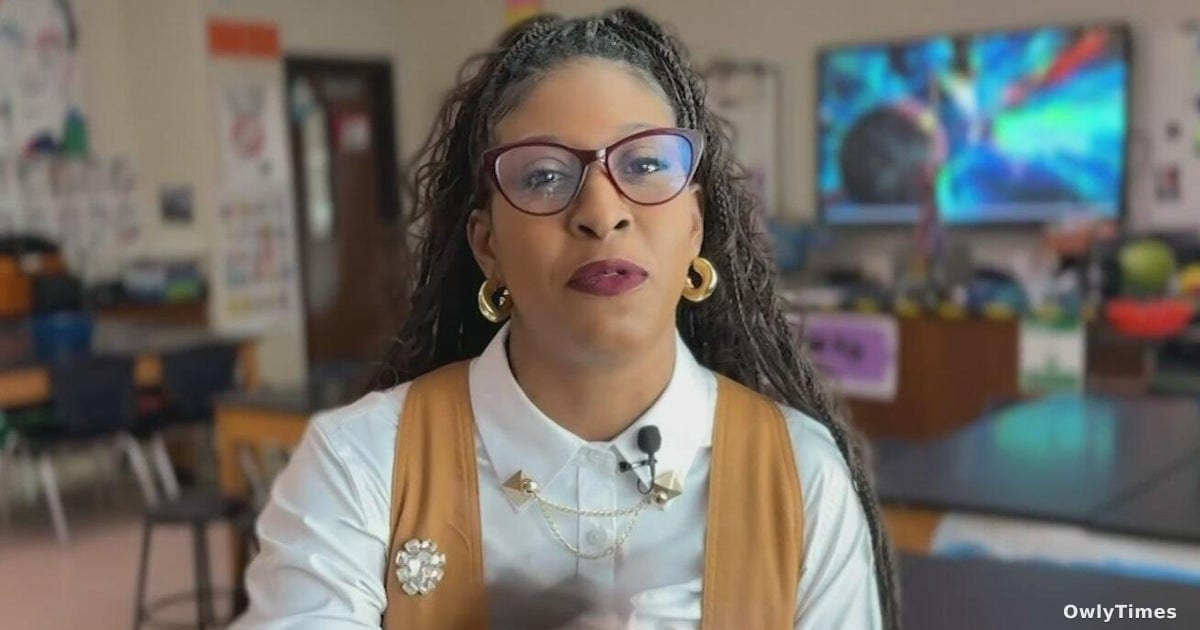
The persistent question of how to truly engage students – to move beyond rote memorization and foster a lifelong love of learning – often feels unanswerable. While educational policy debates frequently center on standardized testing and curriculum reform, a quieter revolution is unfolding in classrooms like that of Kayla Lusane at Barack H. Obama Elementary Magnet School of Technology in Atlanta. This isn’t about a new pedagogical technique, but a fundamental shift in perspective: education as experiential, communal, and deeply rooted in place. The recent recognition of Lusane as Teacher of the Year isn’t simply an acknowledgement of her classroom success, but a spotlight on a model that prioritizes connection – to the curriculum, to the community, and to each other – as the core of effective teaching.
Lusane’s classroom, as described by CBS News Atlanta, isn’t a space of passive listening. Students actively chant planet names and participate in hands-on lessons, a deliberate departure from traditional lecture-based learning. But the innovation doesn’t stop at the classroom door. Lusane regularly organizes out-of-state field trips to Tennessee, Florida, and Alabama, providing opportunities for students – many experiencing travel for the first time – to connect classroom concepts to the wider world. This isn’t simply enrichment; it’s a strategic intervention. Data consistently shows that students from lower socioeconomic backgrounds often lack access to experiences that broaden their horizons, creating an opportunity gap that extends beyond academic performance. Lusane’s efforts directly address this disparity, leveling the playing field by providing access to experiences that foster curiosity and ambition.
Source material: CBS News.
The impact, as reported by students like Javir Brazile and Hallie Simmons, extends far beyond academic gains. Brazile’s comment – “Even though she teaches science and most kids think it’s boring… you would love Mrs. Lusane very much” – speaks to a teacher who cultivates genuine enthusiasm. Simmons highlights the development of crucial social-emotional skills: “Outside of the classroom, she teaches us how to be nice, how to be friendly, and she teaches us more things that come from the heart.” This emphasis on character development is particularly noteworthy. While academic achievement is vital, research increasingly demonstrates the importance of social-emotional learning in predicting long-term success, including career attainment and overall well-being. Lusane’s approach recognizes that a well-rounded education must nurture both intellect and character.
It’s crucial to understand what the reporting doesn’t claim. The CBS News Atlanta piece doesn’t present Lusane’s methods as a scalable, one-size-fits-all solution. It’s a portrait of a dedicated educator making a profound impact within her specific context. The success of these trips, for example, relies heavily on Lusane’s ability to secure funding – a challenge many schools face. Furthermore, the article doesn’t delve into the logistical complexities of organizing and chaperoning out-of-state travel for elementary school students, a significant undertaking that requires substantial administrative support. These practical considerations are essential when evaluating the feasibility of replicating this model elsewhere.
However, the broader implications are undeniable. Lusane’s commitment extends beyond her students to her colleagues, evidenced by her efforts to secure a grant for a faculty “Zen Room” – a space for rest and reflection. This demonstrates a holistic understanding of the educational ecosystem, recognizing that teacher well-being is intrinsically linked to student success. The “Are You Smarter Than a Fifth Grader” night, a community event where parents, teachers, and students learn together, further underscores this commitment to fostering a collaborative learning environment. This isn’t simply about parental involvement; it’s about building a shared sense of ownership and responsibility for student achievement.
Looking ahead, the most pressing research question isn’t whether Lusane’s methods work – the anecdotal evidence is compelling – but how to systematically support and replicate these kinds of impactful initiatives. What specific funding models are most effective for enabling experiential learning opportunities? How can schools create supportive environments that prioritize teacher well-being and foster a sense of community? And, perhaps most importantly, how can we empower more educators to cultivate the same level of passion and dedication that defines Kayla Lusane’s approach? The coming years will reveal whether this model can move beyond a single, exceptional classroom and become a catalyst for broader educational transformation.