
The Silent Threat to Mountain Hearts: Why Altitude Complicates Cardiac Care
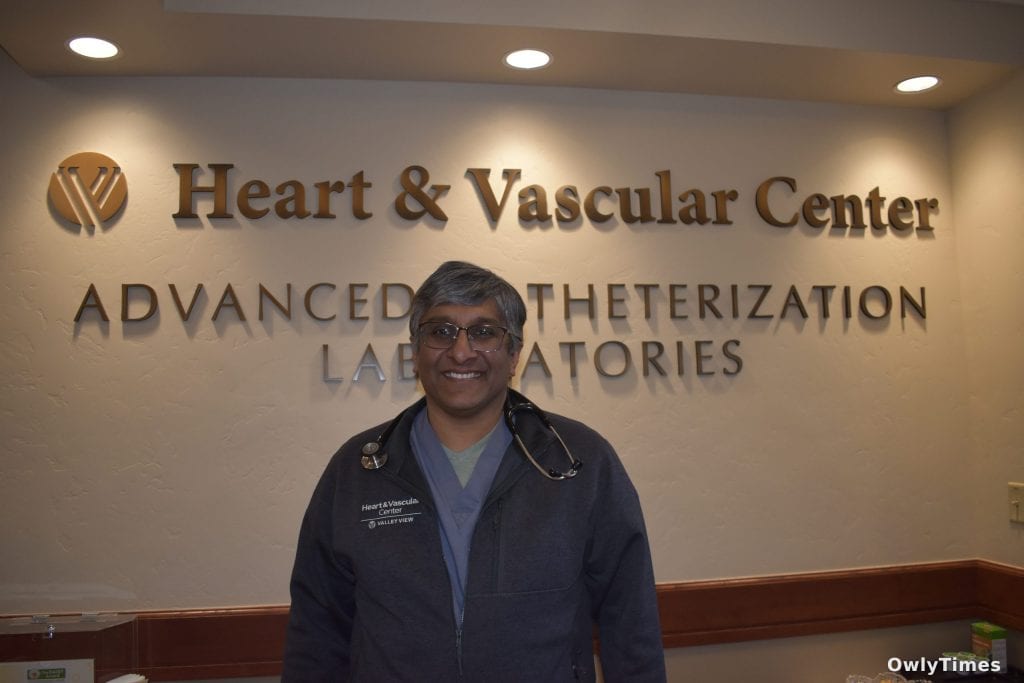
February’s designation as American Heart Month feels particularly urgent in the Roaring Fork Valley, not because heart disease rates are demonstrably higher here, but because the very lifestyle that draws people to this region – its active, outdoor focus – can mask the warning signs. While national campaigns rightly emphasize recognizing chest pain and shortness of breath, Dr. Leo Simpson, an interventional and heart failure cardiologist at Valley View’s Heart and Vascular Center, cautions that the story is far more nuanced, especially at altitude. It’s not simply about if people are developing heart conditions, but when they’re being detected, and the potential for delayed diagnosis in a population accustomed to pushing their physical limits.
This piece references the aspentimes.com report.
The prevailing narrative around heart health often centers on dramatic events – heart attacks, strokes – but the reality for many is a slow accumulation of risk factors and subtle shifts in bodily function. What’s striking in conversations with cardiologists like Simpson isn’t a surge in new cases, but a recognition that patients often present later in the disease process. This isn’t due to a lack of awareness, but a consequence of the body’s remarkable ability to compensate, particularly in individuals who maintain a high level of fitness. The case of 90-year-old Paul Schroeder, who received a pacemaker at Valley View in December after a diagnosis in Minnesota, exemplifies this. Schroeder, an active hiker and skier, felt largely symptom-free until a routine check-up revealed a serious heart rhythm issue. He readily admits he might have dismissed subtle changes as normal signs of aging, a sentiment Simpson says he encounters frequently.
This delayed presentation is further complicated by the physiological effects of altitude. Simpson notes a higher incidence of atrial fibrillation, heart failure, and pulmonary hypertension in the valley, though he acknowledges pinpointing a direct causal link to hypoxia remains an area of ongoing investigation. It’s not that altitude causes these conditions, but it can exacerbate existing vulnerabilities and alter the way symptoms manifest. The body’s natural response to lower oxygen levels – increased heart rate, heightened blood pressure – can initially mask underlying cardiac stress, allowing individuals to maintain activity levels that would be unsustainable at lower elevations. This creates a dangerous feedback loop where symptoms are normalized, and the underlying problem progresses undetected.
The challenge extends beyond recognizing symptoms. Simpson emphasizes that heart disease presents differently in women, often lacking the “classic” chest pain associated with heart attacks. Instead, women may experience abdominal discomfort or fatigue, symptoms easily attributed to other causes. Similarly, individuals with diabetes may experience atypical presentations, further blurring the lines of diagnosis. This highlights a critical point: the “textbook” symptoms of heart disease are not universal, and relying solely on those markers can lead to missed opportunities for early intervention. The concept of “broken heart syndrome,” or stress-induced cardiomyopathy, also underscores the interplay between emotional wellbeing and cardiac health, particularly in women, and the need for a holistic approach to patient care.
Fortunately, treatment options for heart failure have advanced significantly in the past decade. New medications and devices are enabling patients to regain function and maintain active lifestyles. However, Simpson stresses that prevention and early detection remain paramount. Untreated high blood pressure, a common condition often dismissed as a normal part of aging, is a major contributor to heart failure. He advocates for regular exercise – at least 30-45 minutes daily, combining aerobic activity with strength training – and a Mediterranean-style diet rich in fish, fruits, vegetables, and nuts. These recommendations align with established guidelines, but their relevance is amplified in a community where physical activity is already a cultural norm.
Looking ahead, research needs to focus on understanding the specific cardiovascular risks associated with prolonged exposure to high altitude. Are there genetic predispositions that make certain individuals more susceptible to altitude-related cardiac issues? Can we develop more sensitive diagnostic tools to detect early signs of heart disease in active populations? And crucially, how can we effectively communicate the nuances of cardiac symptoms to a community that prides itself on resilience and often downplays discomfort? The story of the Roaring Fork Valley isn’t just about heart disease; it’s about the intersection of lifestyle, environment, and the ongoing quest to understand the complex workings of the human heart. We should watch for local initiatives aimed at increasing cardiac screenings, particularly among active adults, and for studies specifically investigating the long-term cardiovascular effects of living at elevation.