
The Fragile Ecosystem of STEM Education: Rockville Science Center Faces Displacement
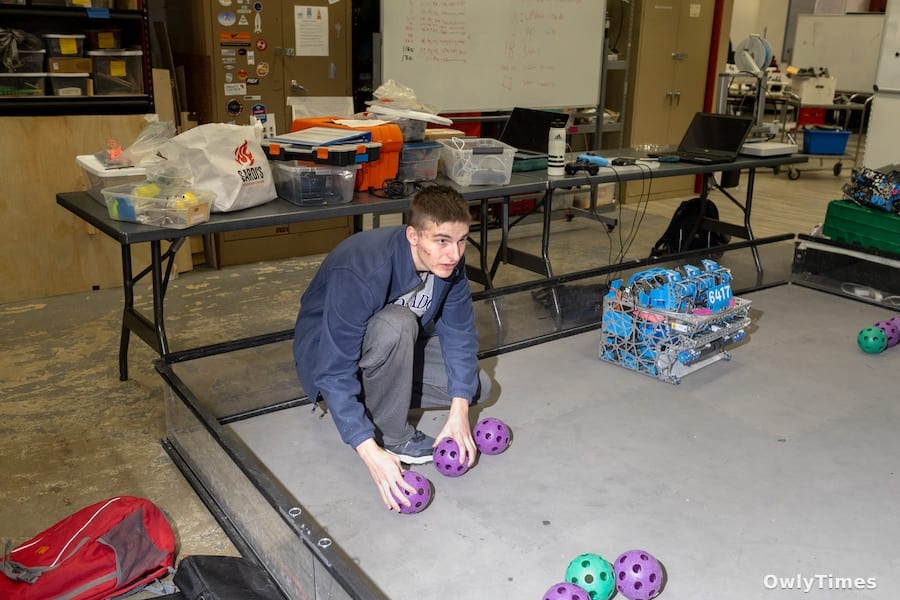
The image is striking: students meticulously crafting metal, piloting drones, and building robots with the focused intensity of seasoned engineers. This isn’t a university lab, but the Rockville Science Center, a Montgomery County institution now facing potential closure due to a lease dispute. While the immediate story concerns a local nonprofit’s struggle to find a permanent home, it’s a microcosm of a larger, often overlooked crisis – the precarious funding and support structures underpinning grassroots STEM (Science, Technology, Engineering, and Mathematics) education. The Center’s plight isn’t simply a real estate issue; it’s a warning sign about the vulnerability of vital community resources that cultivate the next generation of innovators.
Background & Context: A Legacy Under Threat
The Rockville Science Center’s roots stretch back to 1989, predating the current national emphasis on STEM initiatives. For over three decades, it has served as a crucial access point for students – and science enthusiasts of all ages – across Montgomery County. The organization currently operates out of two spaces in Rockville Town Square, a location secured in January 2020. This isn’t a new organization suddenly facing hardship. It’s a long-standing community fixture now threatened by the decision of its landlord, Morguard Management Co., to terminate the lease in May. This follows a pattern increasingly seen in rapidly developing areas: the displacement of community-focused organizations by commercial interests. The Center’s reliance on leased space, despite serving over 9,000 people last year, highlights a systemic issue – the lack of dedicated, sustainable funding for physical spaces dedicated to informal STEM learning. While the Center receives grant funding from sources like the Maryland Technology Development Corp., these funds are often earmarked for programs, not long-term infrastructure.
Original reporting: thebanner.com.
The Significance of Informal STEM Spaces
What distinguishes the Rockville Science Center is its emphasis on informal STEM education. This is distinct from traditional classroom learning. Here, students like Jane Croshier, an 18-year-old drone team pilot, aren’t driven by grades but by genuine passion. “I joined because I was interested in science, and I stayed because I loved it,” she stated, articulating a sentiment echoed by many involved. This “love of learning” is precisely what formal education often struggles to ignite. The Center provides a space for hands-on experimentation, peer-to-peer mentorship – as exemplified by students helping each other with complex math and physics problems – and the development of crucial “soft skills” like problem-solving and collaboration. The open storefront location, allowing public viewing of projects, is also significant. It demystifies science and engineering, making it accessible and relatable to the wider community. This visibility fosters a sense of civic engagement and demonstrates the tangible benefits of STEM fields.
What This Means: Ripple Effects of Potential Closure
The potential closure of the Rockville Science Center will have far-reaching consequences. For the students involved, it represents a loss of a vital learning environment and a supportive community. The Center’s programming, encompassing high school engineering classes, adult workshops, and even weekly chess clubs, caters to a diverse range of interests and age groups. A disruption will disproportionately affect students from underserved communities who may lack access to similar opportunities elsewhere. Beyond the immediate impact on participants, the closure signals a broader erosion of community STEM resources. It could discourage future students from pursuing STEM fields and diminish the pipeline of qualified professionals in critical areas. The loss of a visible, accessible STEM hub also weakens the county’s efforts to promote innovation and economic development. The $1 million fundraising goal to acquire a 5,000-square-foot building is ambitious, but it underscores the scale of the investment needed to sustain these crucial educational ecosystems.
Looking Ahead: A Call to Action and Potential Scenarios
The Rockville Science Center’s situation demands immediate attention. The next few months will be critical as the organization attempts to secure funding and identify a new location. Readers should watch for updates on the fundraising campaign and actively support the Center if possible. Several scenarios are possible. A successful fundraising effort could secure a permanent home, ensuring the Center’s long-term viability. However, even with funding, finding a suitable location in a desirable area like Rockville could prove challenging. A less optimistic scenario involves the Center being forced to scale back its programming or even cease operations altogether. This would be a significant loss for Montgomery County and a cautionary tale for other community-based STEM initiatives. Ultimately, the fate of the Rockville Science Center hinges on a collective recognition of the vital role informal STEM education plays in fostering innovation, equity, and a scientifically literate citizenry.