
Beyond the Billion: What Rural Iowa Hospitals Actually Need
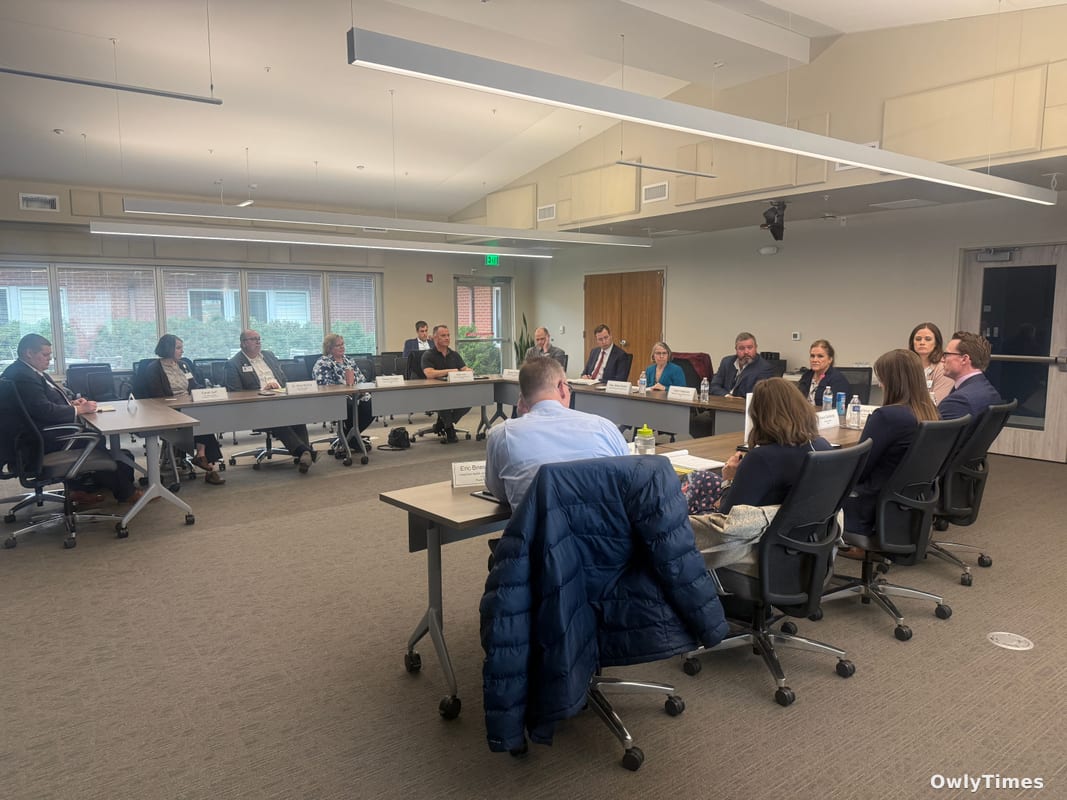
The announcement of a $50 billion federal program sounds, on the surface, like a definitive solution. But the reality of rural healthcare is rarely so straightforward. Last week, Representative Mariannette Miller-Meeks (IA-01) held her third Rural Hospital Roundtable, gathering leaders from 14 hospitals across Southeast Iowa alongside representatives from Iowa Health and Human Services (HHS) to discuss the newly established Rural Health Transformation Program. While headlines tout a “game changer,” the conversation itself, as evidenced by Miller-Meeks’ continued engagement, reveals a more nuanced picture: securing funding is only the first step. The critical work now lies in translating those billions into tangible improvements for hospitals already operating on razor-thin margins and facing unique challenges.
This piece references the millermeeks.house.gov report.
The program, secured within the Working Families Tax Cuts, aims to address the systemic vulnerabilities of rural hospitals. These facilities, often serving as economic anchors in their communities, are disproportionately affected by declining populations, an aging demographic requiring more complex care, and difficulty recruiting and retaining qualified staff. Nationally, rural hospitals have been closing at a rate of over 100 per decade since the 1980s, a trend that threatens access to essential services for nearly 20% of the U.S. population. Iowa, with its largely rural landscape, is particularly susceptible. The $50 billion represents a significant increase over previous rural health initiatives – the American Rescue Plan allocated roughly $8.5 billion – but the sheer scale of the need demands careful allocation and a clear understanding of what constitutes effective intervention.
Miller-Meeks’ emphasis on “working directly with the providers on the front lines” is a crucial point often lost in broad policy announcements. The roundtable wasn’t simply a celebratory event; it was a fact-finding mission. Hospitals represented included facilities ranging from critical access hospitals like Washington County Hospital and Clinics and Jackson County Regional Health Center to larger regional centers like Great River Health/Southeast Iowa Regional Medical Center and affiliates of UnityPoint Health. This diversity is important because the challenges faced by a small, independent hospital will differ significantly from those of a larger, integrated system. Preliminary reports suggest discussions centered on workforce development, telehealth infrastructure, and innovative care models, rather than simply capital improvements. This suggests a recognition that simply injecting funds into outdated systems won’t solve the underlying problems.
However, the program’s structure and implementation details remain somewhat opaque. While the total funding is substantial, the specific criteria for accessing those funds, and the timeline for disbursement, are still being finalized by HHS. This creates a degree of uncertainty for hospital administrators, who need to plan for long-term sustainability. Furthermore, the program’s success hinges on Iowa HHS’s ability to effectively distribute and oversee the funds, ensuring they reach the hospitals most in need and are used for projects with demonstrable impact. The potential for bureaucratic delays or misallocation of resources is a legitimate concern, particularly given the urgent financial pressures facing many rural facilities.
Limitations to consider include the inherent difficulty in measuring the “transformation” promised by the program. While metrics like hospital solvency and patient access are quantifiable, assessing the impact on community health and well-being will require more sophisticated data collection and analysis. Moreover, the program doesn’t address the broader systemic issues contributing to rural healthcare disparities, such as limited broadband access and a lack of affordable housing. The next research steps should focus on tracking the program’s implementation in Iowa, specifically examining which types of interventions prove most effective in different rural contexts. We should be watching for whether hospitals are using the funds to expand telehealth services, invest in workforce training programs, or pursue collaborative care models. More importantly, Iowans should be asking: are these investments translating into improved health outcomes and a stronger rural healthcare safety net, or are they simply delaying the inevitable closure of vital community resources?





