
$261,000: The Revenue Cliff Crushing Russia’s Small Businesses
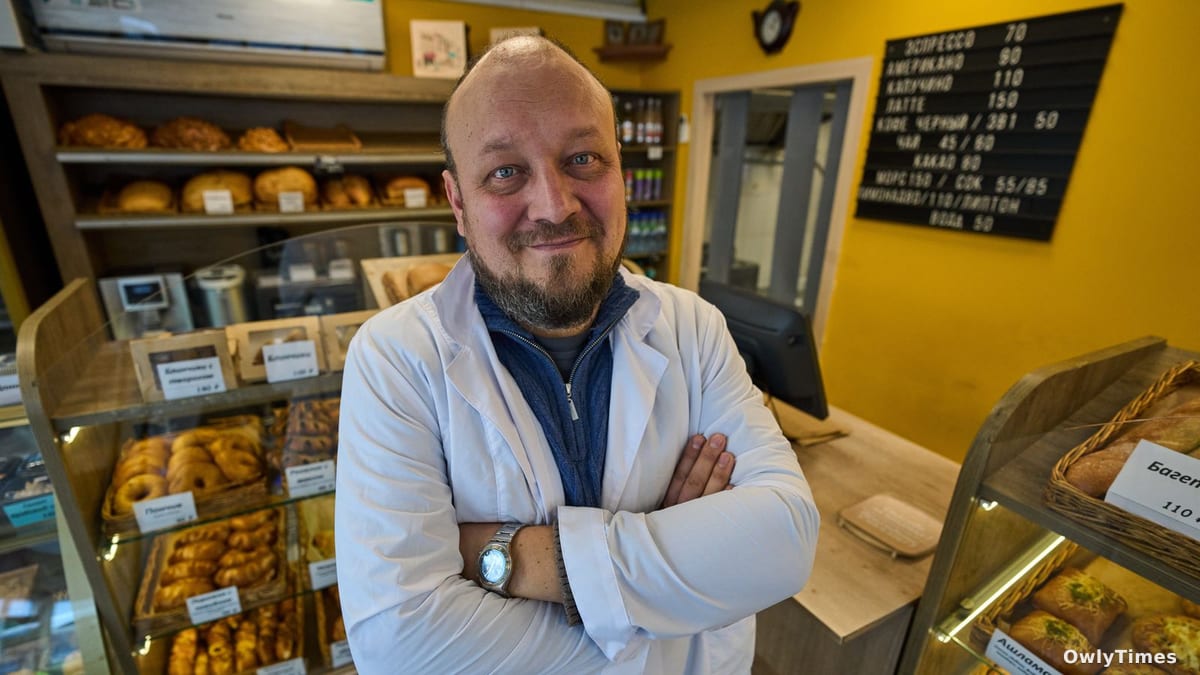
The story of Denis Maksimov’s bakery, Mashenka, outside Moscow, isn’t a tale of entrepreneurial triumph despite hardship – it’s a stark illustration of a systemic shift in Russia’s economic strategy. While Maksimov briefly captured the nation’s attention, and even a promise of relief from President Putin after pleading on the annual call-in show in December, his case reveals a broader, and far less publicized, squeeze on small and medium-sized enterprises (SMEs) across the country. The Kremlin, facing dwindling oil revenues and a ballooning budget deficit linked to the ongoing war in Ukraine, is actively shifting the tax burden onto businesses generating as little as $261,000 in annual revenue – a figure that, until recently, shielded them from the full weight of Value Added Tax (VAT).
The change, lowering the VAT revenue threshold from 60 million rubles ($783,000) to 20 million rubles ($261,000) this year, and further to 10 million rubles ($130,500) by 2028, isn’t simply about raising revenue. It’s a calculated move to stabilize state income streams as energy revenues – historically the bedrock of the Russian economy – falter. Oil revenues are demonstrably down, and military spending, while initially stimulating growth, has plateaued. This isn’t a case of opportunistic taxation; it’s a fundamental recalibration of the Russian fiscal model, prioritizing predictable income over fostering SME growth. The 2% VAT increase compounds the problem, but the threshold reduction is the primary driver of the current crisis.
This article draws on reporting from wral.com.
The impact is cascading. Darya Demchenko, owner of a chain of beauty salons in St. Petersburg, exemplifies the pressure. She’s been forced to close one salon and sell another, facing a 30% increase in operating costs – driven not just by the VAT hike, but by suppliers passing on their own increased tax burdens. This isn’t isolated. The Association of Beauty Industry Enterprises reports that 10% of businesses in St. Petersburg shuttered in December and January alone, with another 10% being sold off. This contraction isn’t a market correction; it’s a direct consequence of policy. The parallel shift away from the “patent taxation system” – a fixed annual payment favored by small businesses – to percentage-based taxation further exacerbates the issue, demanding increased administrative overhead and financial complexity.
The Kremlin’s narrative frames these reforms as necessary to combat “uncontrolled” illegal imports, as Putin suggested to Maksimov. However, the data suggests a different motive. Chris Weafer, CEO of Macro-Advisory Ltd. Consultancy, points out that SMEs, while representing just over 20% of Russia’s economy, are a crucial engine for innovation and expansion. Targeting this sector for increased revenue isn’t a short-term fix; it’s a long-term impediment to economic diversification and growth, particularly as the war in Ukraine continues to isolate Russia from Western markets. The government’s historical prioritization of large companies, particularly since the 2014 annexation of Crimea, has left SMEs vulnerable, and these new tax regulations represent a further erosion of support.
While Maksimov received a temporary reprieve – a proposed exemption from VAT and tax reductions – his case is the exception, not the rule. The online campaign “We Are Mashenka,” launched by the Association of Beauty Industry Enterprises, highlights the desperation of countless business owners lacking a direct line to the Kremlin. The proposed measures for Maksimov’s business remain unadopted, leaving his future, and the future of countless others, uncertain. The true test will come in April, when the first tax payments under the new system are due. The anticipated wave of bankruptcies and market exodus will then reveal the full extent of the damage.
What this means for your wallet: Expect continued price increases on goods and services in Russia as businesses pass on their increased costs to consumers. More importantly, watch for a further contraction in the availability of goods and services, particularly those provided by small, independent businesses. The question isn’t if Russia’s economy will feel the strain, but how many businesses will be forced to close their doors before the Kremlin adjusts its course – or finds a new source of revenue.





