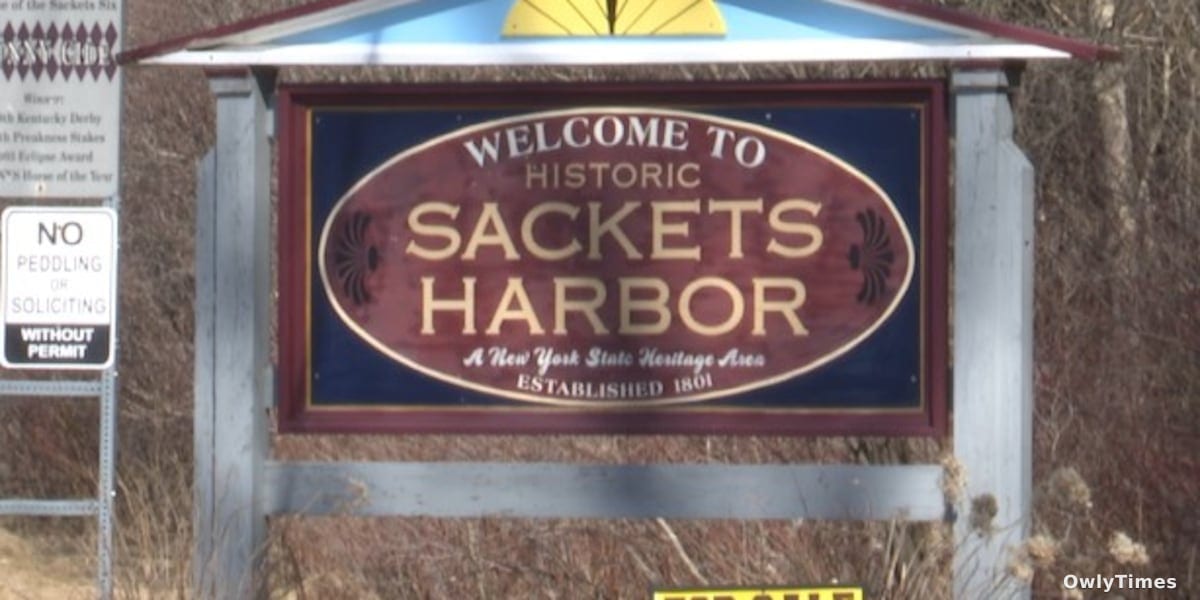

$3.2 million. That’s the estimated annual economic impact of tourism in Sackets Harbor, New York, a figure now potentially facing disruption following Alex Morgia’s decision to deny service to Tom Homan, the former acting director of U.S. Immigration and Customs Enforcement (ICE). While framed as a personal business decision, the move by Morgia, who simultaneously serves as village mayor, exposes a growing tension between political alignment and economic self-interest in tourism-dependent communities – a tension that’s likely to escalate as increasingly polarized policies impact local revenue streams. This isn’t simply a story about one marina and one hotel; it’s a case study in the financial risks of taking a public stand in a private business.
The Cost of Principle for a Small Town
Morgia’s refusal to renew Homan’s boat slip and to host his security detail stems from disagreement with federal immigration enforcement policies. He explicitly stated his discomfort with associating his businesses with the “direction federal enforcement has taken.” While the ethical stance is clear, the financial implications are less discussed. Sackets Harbor, a village with a population of roughly 1,400, relies heavily on seasonal tourism, particularly boating and hospitality. The $3.2 million figure represents direct visitor spending, supporting approximately 60 local jobs, according to the most recent data from the Jefferson County Tourism Promotion Agency. Losing even a small percentage of that revenue due to perceived political bias could significantly impact the village’s economic health. The Chamber of Commerce’s statement emphasizing its apolitical stance underscores this concern – a tacit acknowledgement that alienating potential customers, regardless of their political views, is detrimental to the business community.
See the original wwnytv.com story for the full account.
Navigating the Legal Gray Area
The village’s official statement attempts to distance itself from Morgia’s decision, emphasizing the independence of village operations from his private business choices. This separation, however, is legally and practically blurred. As mayor, Morgia wields considerable influence over local policies that directly affect businesses like his own. While New York State does not have explicit non-discrimination laws protecting individuals based on their political affiliation in private businesses, the situation raises questions about potential conflicts of interest. More importantly, it sets a precedent. If other business owners follow suit, selectively refusing service based on political beliefs, Sackets Harbor risks establishing a reputation as a politically exclusionary destination. This could lead to a measurable decline in tourism, particularly from demographics who feel unwelcome. Data from similar incidents in other states show that even the perception of bias can lead to a 10-15% drop in visitor spending.
The Chamber's Calculated Neutrality
The Sackets Harbor Chamber of Commerce’s carefully worded statement – “apolitical” and encouraging “respectful discussion” – reveals a calculated attempt to mitigate damage. The Chamber’s position isn’t about neutrality on immigration policy; it’s about protecting its members’ bottom lines. Acknowledging the “diversity of viewpoint” within the membership is a strategic move to avoid alienating any segment of the business community. The Chamber understands that its role is to foster a welcoming environment for all visitors, regardless of their political leanings. This contrasts sharply with Morgia’s individual action, which prioritizes personal conviction over collective economic well-being. The Chamber’s statement implicitly acknowledges that individual acts of political protest can have broader economic consequences, and that its members are best served by remaining focused on providing services to all customers.
What this means for your wallet
The Sackets Harbor situation is a microcosm of a larger trend: the increasing politicization of consumer choices. While boycotts and “cancel culture” are nothing new, the willingness of business owners to actively refuse service based on political affiliation is a growing phenomenon. For consumers, this means increased scrutiny of the political views of businesses before making purchasing decisions. For investors in tourism-dependent communities, it means factoring in “political risk” alongside traditional economic indicators. Watch for a potential shift in Sackets Harbor’s marketing strategy – will they lean into the controversy, appealing to a specific demographic, or will they double down on inclusivity to avoid further economic fallout? The answer will likely determine whether that $3.2 million tourism figure holds steady, increases, or begins to erode.