
When assessing the shifting landscape of American public health, the intersection of legislative policy and individual access often becomes a battleground of competing projections. The central question currently animating the policy debate is whether the federal legislative shifts enacted in 2025 are the primary drivers of recent declines in health insurance coverage, or if we are witnessing a more complex convergence of economic pressures and administrative changes.
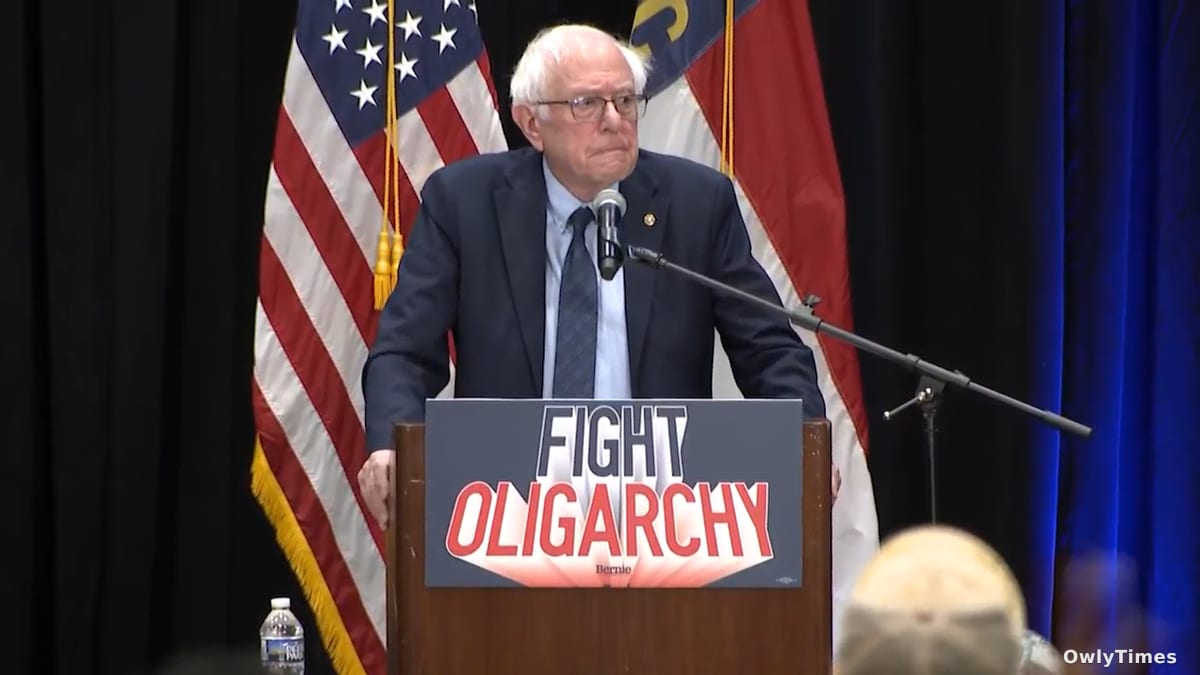
During a recent committee hearing, Senator Bernie Sanders claimed that 15 million Americans have already been "thrown off the healthcare that they need" as a direct consequence of the One Big Beautiful Bill Act. This figure, while frequently cited by the senator in his critiques of current policy, requires a careful disentangling of legislative impact from projected outcomes. The study of health policy requires us to distinguish between observed data—what has actually happened—and long-term econometric forecasting.
The Congressional Budget Office (CBO), in its analysis shortly after the legislation’s passage, provided a measured outlook, predicting the law would increase the number of uninsured individuals by 10 million over the decade leading to 2034. It is important to note that this estimate includes those impacted by changes to Medicaid and the Affordable Care Act (ACA). When headlines proclaim that 15 million have already lost coverage, they are conflating these multi-year projections with immediate reality. In truth, the Centers for Medicare & Medicaid Services reported in March 2026 that enrollment in ACA plans stands at 23.1 million, a decline of approximately 1 million consumers compared to 2025.
We must also consider the role of expiring subsidies, a factor that complicates the narrative surrounding the 2025 legislation. Patrick Barham, a spokesperson for Senator Sanders, clarified that the 15 million figure also encompasses an estimated 4 million people expected to be affected by the expiration of premium tax credits for ACA marketplace plans. Attributing this entire cohort to a single legislative act risks oversimplifying the mechanisms of insurance loss. As Joe Antos, an emeritus health policy specialist at the American Enterprise Institute, has observed, isolating the specific cause of declining enrollment is difficult when households are simultaneously managing broader inflationary pressures.
Limitations to this analysis are significant, particularly regarding the administrative hurdles embedded in the new policy. KFF Health News has indicated that Medicaid beneficiaries may face coverage losses primarily due to documentation errors rather than a lack of employment, as work requirements under the 2025 law begin to take effect. While states like Nebraska and Montana are already implementing these rules, the full impact of the nationwide mandate is not scheduled until January 2027. Researchers like Sara Rosenbaum of George Washington University have observed that community health centers are already seeing patient declines, with a concerning trend where younger individuals are disproportionately shedding insurance.
The next steps for this research involve monitoring the actual enrollment data as the 2027 Medicaid work requirements reach full implementation. The trajectory of the uninsured rate in states currently piloting these new documentation standards will provide the most accurate signal as to whether the projected 10-year increase will materialize as the CBO originally anticipated. Understanding these shifts requires looking beyond the total figures to see exactly which demographic groups are losing access and why, ensuring that the evidence-based approach to health policy remains focused on the mechanics of coverage rather than the political rhetoric surrounding it.





