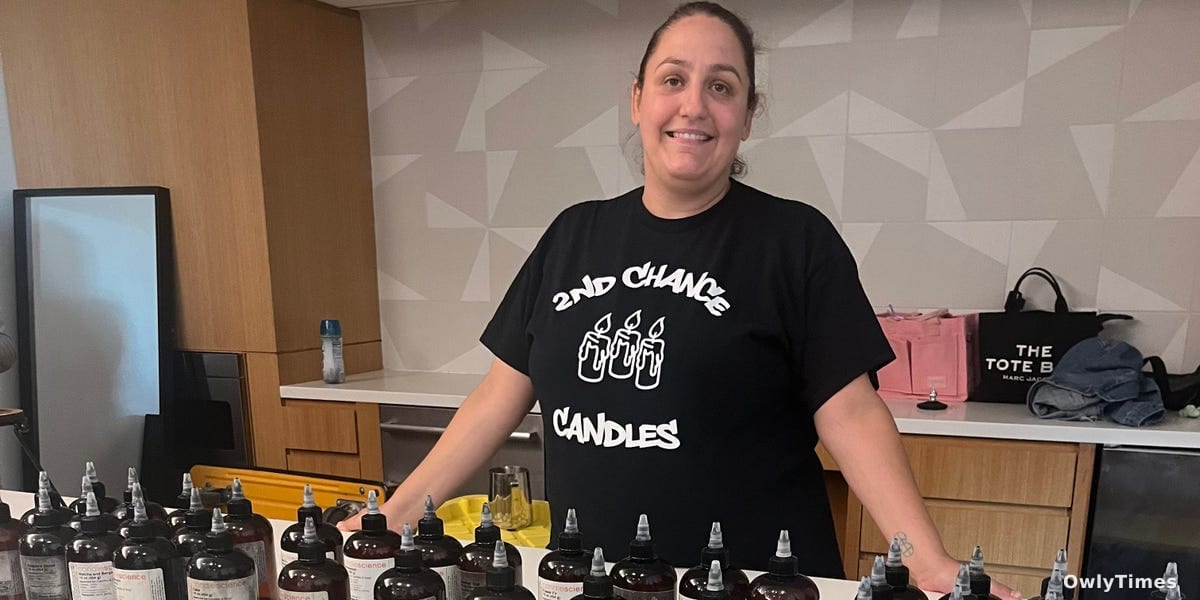

$25,000 in Startup Costs, One Relapse, and a 180% Revenue Increase: The Economics of Second Chances
The small business survival rate within the first five years hovers around 50%, but Lisa Devine’s “2nd Chance Candles” in Queens, New York, isn’t just surviving – it’s thriving. Revenue increased 180% from October 2023 to March 2024, a figure that belies a far more complex story of addiction, recovery, and the surprisingly robust market for experiential retail. Follow the money here, and you’ll find a business model built not just on hand-poured candles, but on community support and a powerful narrative of redemption.
Devine, 37, founded the studio with approximately $25,000 in startup capital – a figure she pieced together through savings and a small loan. This initial investment covered rent for a modest storefront, equipment for candle-making and the expansion into slime and acrylic painting, and initial inventory. Crucially, it also funded the workshop component of the business, which now accounts for nearly 60% of revenue. This is a significant departure from the average arts-and-crafts studio, where product sales typically dominate. The national average gross profit margin for craft stores is 42.3%, according to IBISWorld, but 2nd Chance Candles’ workshop model allows Devine to command a premium price point – workshops average $65 per person – and significantly boost margins.
The origin story of 2nd Chance Candles is inextricably linked to Devine’s six-year battle with addiction, beginning with alcohol and escalating to heroin and, later, cocaine. This period saw her expelled from college, a return to her parents’ home in Putnam County, and ultimately, a 2016 arrest that forced her into a year of court-mandated rehab. While the immediate cost of treatment – estimated at $30,000 to $50,000 for a year-long program – represents a substantial societal expense, the economic consequences of untreated addiction are far greater. The National Institute on Drug Abuse estimates the economic burden of substance abuse in the U.S. exceeds $740 billion annually, factoring in healthcare costs, lost productivity, and criminal justice expenses. Devine’s story, therefore, isn’t just personal; it’s a micro-level illustration of the economic benefits of successful rehabilitation.
See the original Business Insider story for the full account.
However, the path wasn’t linear. A 2021 relapse into cocaine use threatened to derail her progress. This underscores a critical tension: the fragility of recovery and the potential for setbacks. The relapse, while personally devastating, ultimately solidified Devine’s commitment to sobriety and fueled her desire to build a stable, fulfilling life. It was her partner who suggested the candle-making business as a viable path forward, recognizing both its creative outlet and potential for financial independence. This highlights the importance of social support networks in both addiction recovery and small business success. The Small Business Administration reports that businesses with strong mentorship networks are 20% more likely to survive beyond the first three years.
The community response to 2nd Chance Candles has been overwhelmingly positive. Devine openly shares her story with customers, fostering a sense of connection and authenticity. This transparency, coupled with the hands-on nature of the workshops – which include hosting events for groups like the Girl Scouts – has cultivated a loyal customer base. The studio now employs part-time staff, demonstrating a tangible economic impact beyond Devine’s own livelihood. This localized economic stimulus is particularly noteworthy in Queens, where small businesses account for 99.7% of all firms, according to the U.S. Small Business Administration.
What this means for your wallet: The success of 2nd Chance Candles isn’t just a feel-good story. It’s a case study in the economic power of second chances and the growing demand for experiential retail. Investors should watch for similar businesses leveraging personal narratives and community engagement to differentiate themselves in a crowded market. Consumers, meanwhile, should consider supporting businesses that prioritize social impact alongside profit – because sometimes, the most valuable products aren’t just what you buy, but the story behind them. The key question now is whether 2nd Chance Candles can scale its workshop model without sacrificing the personal connection that drives its success, and whether other entrepreneurs with similar stories will follow suit.





