
$240 Million Bet on Fusion Signals a Shift in Energy Investment
$240 million. That’s the size of the equity funding round recently secured by SHINE Technologies, a Wisconsin-based nuclear fusion company, and it’s a figure that demands attention not just from the energy sector, but from healthcare investors as well. While headlines focus on the promise of limitless clean energy, “follow the money” reveals a more nuanced picture: this isn’t solely about powering homes, it’s about securing a critical supply chain for advanced cancer treatments and positioning for a potentially lucrative nuclear waste recycling market. The February 26th announcement, coupled with the appointment of healthcare mogul Dr. Patrick Soon-Shiong as executive chairman, signals a strategic pivot towards near-term revenue streams while continuing the long-term pursuit of commercial fusion.
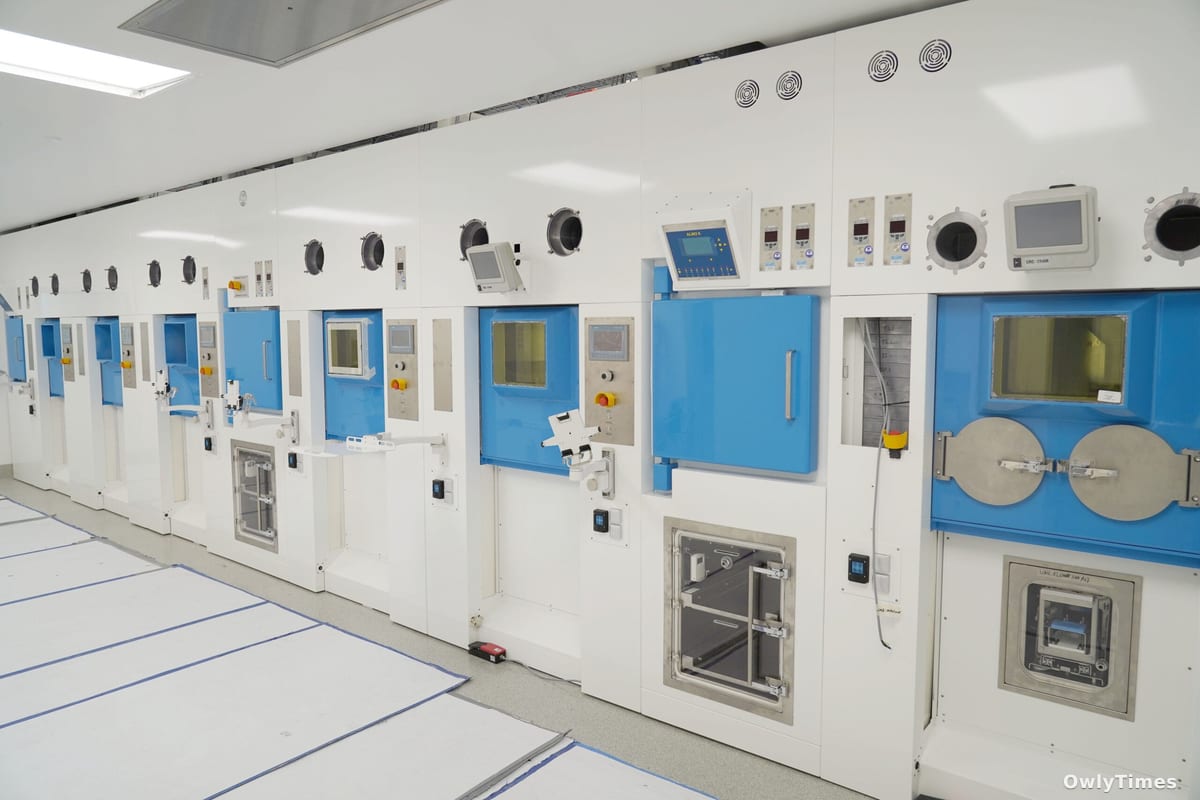
The investment, led by NantWorks with participation from heavy hitters like Fidelity Management & Research Company and Oaktree Capital Management, isn’t a sudden windfall. SHINE Technologies has now raised over $1 billion in total funding, demonstrating consistent investor belief in their approach. However, the composition of this latest round is key. Dr. Soon-Shiong’s personal $150 million investment, alongside the strategic partnership with NantWorks, isn’t typical for a pure-play energy venture. It’s a clear indication that the value proposition extends beyond kilowatt-hours. SHINE currently operates one of the largest Lu-177 production facilities in North America, a radioisotope used in targeted cancer therapies, specifically for prostate cancer. This existing capacity, and the promise of expanded production through fusion technology, is the immediate driver of investor enthusiasm.
This article draws on reporting from powermag.com.
The current market for medical isotopes is constrained, with significant geopolitical dependencies. The vast majority of Lu-177 production currently resides in Europe, creating vulnerabilities in supply chains – a lesson painfully learned during recent global disruptions. SHINE’s domestic production capability, powered by its fusion technology, offers a critical strategic advantage. The partnership with NantWorks guarantees priority access to SHINE’s Lu-177 supply, allowing Dr. Soon-Shiong to accelerate his research into combining targeted radiation with immune activation therapies. This isn’t simply about treating more patients; it’s about potentially revolutionizing cancer care with more effective, less toxic treatments. The FDA-approved therapies developed by Dr. Soon-Shiong have already reached patients globally, and this partnership provides a pathway to further innovation.
Beyond medical isotopes, SHINE is also actively developing technology to recycle used nuclear fuel. This is a particularly compelling angle given the ongoing debate surrounding nuclear waste disposal and the increasing demand for sustainable energy solutions. While commercial fusion energy remains the ultimate goal, the ability to address the nuclear waste problem offers a substantial near-term revenue opportunity and positions SHINE as a leader in responsible nuclear technology. Greg Piefer, founder and CEO of SHINE, emphasizes the broader impact: “Fusion energy…is already having major impact across advanced manufacturing, healthcare and recycling.” This statement isn’t hyperbole; it’s a reflection of the company’s diversified strategy.
However, the path isn’t without its challenges. Commercializing fusion energy remains a notoriously difficult and expensive undertaking. While SHINE’s approach – using a smaller, more modular reactor design – is considered promising, significant technological hurdles remain. The company must demonstrate consistent, reliable energy production at a competitive cost. Furthermore, the regulatory landscape for fusion energy is still evolving, creating uncertainty for investors. The success of SHINE’s Lu-177 production and nuclear waste recycling initiatives will be crucial in providing the financial runway needed to overcome these challenges.
What this means for your wallet: Watch for increased investment in domestic medical isotope production over the next 18-24 months. If SHINE successfully scales its Lu-177 output, it could lead to lower costs and greater access to these life-saving cancer therapies. More broadly, the success of SHINE – and similar ventures – could reshape the energy landscape, potentially reducing reliance on fossil fuels and creating a more secure and sustainable energy future. The key question now is whether SHINE can deliver on its ambitious promises and translate scientific breakthroughs into tangible economic benefits, or if this $240 million investment will become another cautionary tale in the long and complex history of fusion energy.