
The chipped paint of Springfield feels…closer than it used to. Not in reality, of course, but in the collective digital consciousness. A flurry of activity on SteamDB, a mysterious credit update referencing Iron Galaxy and Ubisoft Connect, and now, the quiet re-emergence of a name thought lost to the industry’s relentless churn: Radical Entertainment. But it’s not quite a resurrection, more a phoenix assembled from the ashes of two Vancouver studios – Radical and the recently bankrupt Hothead Games – now reborn as New Radical Games. This isn’t just a story about a studio comeback; it’s a potent symbol of a gaming landscape increasingly obsessed with nostalgia, and the surprisingly complex economics of reviving beloved, yet dormant, intellectual property.
The Ghosts of Radical Past
For those who remember the late 2000s, the name Radical Entertainment carries weight. They were the team behind the gleefully chaotic open-world adaptation of The Simpsons: Hit & Run (2003), a game that remains a touchstone for a generation, and the brutally satisfying superhero action of Prototype (2009). But the story took a familiar turn. Acquired by Activision in 2008, Radical was effectively sidelined, reduced to support work on Destiny before being shuttered in 2014. The industry is littered with these tales – talented studios swallowed by larger corporations, their creative autonomy diminished, and ultimately, extinguished. Hothead Games, known for titles like Penny Arcade Adventures, suffered a different fate, succumbing to financial pressures and declaring bankruptcy in 2024. The merger, spearheaded by Radical co-founder Ian Wilkinson (now CEO) and former Capcom Vancouver COO Tim Bennison (COO), feels less like a fresh start and more like a salvage operation, a desperate attempt to reclaim a legacy.
Prototype’s Pulse: A Datamine Driven Dream?
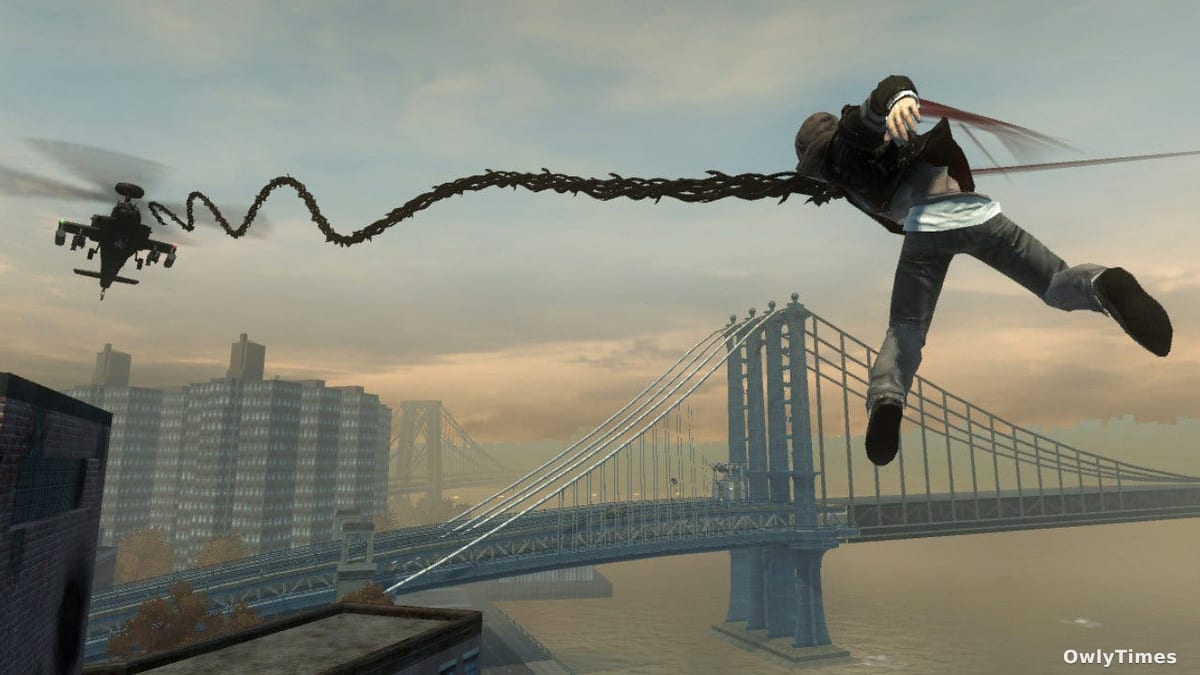
The fervor surrounding New Radical isn’t based on announcements, but on whispers and digital archaeology. Fans noticed a surge of updates to Prototype on Steam, a game largely untouched for 16 years. A dedicated modder, digging through the game’s code, unearthed references to Iron Galaxy – a studio specializing in remasters and ports – and Ubisoft Connect, Activision’s current digital distribution platform. This isn’t definitive proof of a remaster, as one Reddit user cautiously noted, but it’s enough to ignite a firestorm of hope. The timing is crucial. Remasters and remakes are booming. According to Newzoo data, the global games market generated $184 billion in revenue in 2023, with a significant portion driven by re-releases of classic titles. Prototype, with its unique blend of open-world traversal and visceral combat, taps directly into that nostalgia vein. But the question remains: is there a viable market for a game that, while fondly remembered, wasn’t a blockbuster in its original run?
See the original ign.com story for the full account.
Beyond the Headlines: The Risk of Revivals
The excitement is palpable, evidenced by the ecstatic online reactions – one fan even claimed to have “willed” the studio’s return into existence. But beneath the surface lies a complex reality. Reviving dormant IPs isn’t a guaranteed success. The gaming landscape has shifted dramatically since Prototype and Hit & Run were released. Player expectations are higher, competition is fiercer, and the cost of development has skyrocketed. A rushed or poorly executed remaster could damage the legacy of these beloved games. Moreover, the legal and logistical hurdles of securing the rights to these properties – particularly The Simpsons: Hit & Run, which involves Disney and a “complicated corporate octopus,” as Simpsons writer Matt Selman described in a 2021 interview – are substantial. New Radical isn’t just building a studio; they’re navigating a minefield of intellectual property rights and consumer expectations.
A New Radical Future?
New Radical’s website prominently displays their past titles, a clear signal of intent. They’re leaning into the nostalgia, acknowledging the games that defined them. But the statement on their website – “We know how to capture the essence of world-class intellectual properties, and deliver licensed games that delight fans everywhere” – feels carefully worded. It’s a promise, but not a guarantee. The studio’s success hinges on more than just fan enthusiasm. It requires a clear vision, a sustainable business model, and a willingness to innovate while respecting the source material. The industry is watching closely. Will New Radical deliver on the promise of reviving these forgotten gems, or will they become another cautionary tale of a studio lost to the vagaries of the gaming world? The real question isn’t if they’ll bring back Prototype or Hit & Run, but how – and whether they can prove that sometimes, the best way forward is to revisit the past.