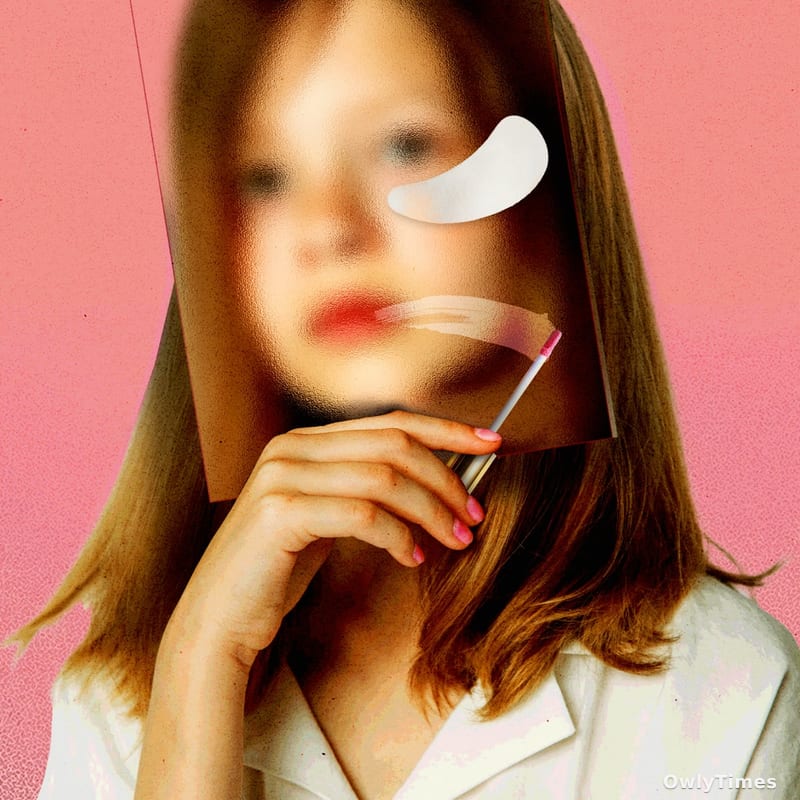

The recent explosion of "Sephora kids"—young children obsessively curating skincare routines once reserved for aging adults—has prompted a wave of alarm among parents and retail workers alike. Yet, beneath the viral videos of eight-year-olds applying chemical exfoliants lies a more complex question for the medical community: are we witnessing a harmless phase of play, or the early emergence of a clinically significant mental health disorder?
The Clinical Shift Toward "Cosmeticorexia"
Researchers are increasingly looking at the fixation on "flawless" skin as a behavioral pattern that demands formal study. Associate Prof Giovanni Damiani, a dermatologist and researcher at the University of Milan, first identified a troubling trend in his own practice: a marked increase in contact dermatitis among patients aged eight to 14. These children were presenting with skin reactions linked to the inappropriate use of retinoids and alpha hydroxy acids.
Damiani partnered with Alberto Stefana, a clinical psychologist at the National Institute of Health in Rome, to investigate whether this behavior qualifies as "cosmeticorexia"—a term first coined by the Guardian columnist Jessica DaFino in 2023. While headlines have framed this as a simple trend of children playing with expensive makeup, the researchers' work, published in March, suggests something more profound. Their study posits that this fixation on beauty products may act as a precursor to body dysmorphia, characterized by the refusal to be seen without makeup and an obsessive, all-consuming interest in appearance-altering content.
Distinguishing Vanity from Pathology
It is vital to distinguish between typical adolescent vanity and a medicalized disorder. Grace Collinson, a clinical program manager at the Butterfly Foundation, notes that while new terms like "cosmeticorexia" can help capture emerging cultural shifts, they carry the risk of "medicalizing" behaviors that, while problematic, do not meet the criteria for a formal mental health diagnosis. There is a delicate balance here; as Dr. Jasmine Fardouly, a senior lecturer at the University of Sydney, points out, upwards of 90% of young people report some level of concern regarding their appearance.
The researchers themselves, including Dr. Deshan Sebaratnam of the University of New South Wales, caution that the term may essentially be a modern "mutation" of body dysmorphic disorder. The challenge for clinicians is defining the "line in the sand" where healthy interest in self-care transforms into a preoccupation that impairs daily functioning. Without a standardized clinical definition, there is a risk that labeling these behaviors could either trivialize serious conditions like body dysmorphic disorder or unfairly pathologize normal developmental curiosity.
Limitations and the Path Forward
A significant limitation of the current discourse is that "cosmeticorexia" is not yet a widely recognized or clinically defined disorder. Much of the evidence remains anecdotal, drawn from the intersection of social media influence and commercial beauty spaces. The Italian study identified a high dependency on social media among those exhibiting these behaviors, yet it remains unclear whether the products themselves are the driver, or if they are merely the tools used to address deeper, pre-existing anxieties.
The next steps for this research are already in motion. Damiani and his colleagues have launched three additional medical studies to further examine the phenomenon, with results expected to be published later this year. These forthcoming findings will be critical in determining whether cosmeticorexia warrants a place in the diagnostic lexicon or if it is better understood as a symptom of the broader, documented rise in appearance-related distress among youth. For now, the next reading of these forthcoming medical papers will be the primary signal in determining whether this trend requires clinical intervention or simply a more robust societal dialogue about the unrealistic beauty standards currently being monetized to our youngest consumers.





