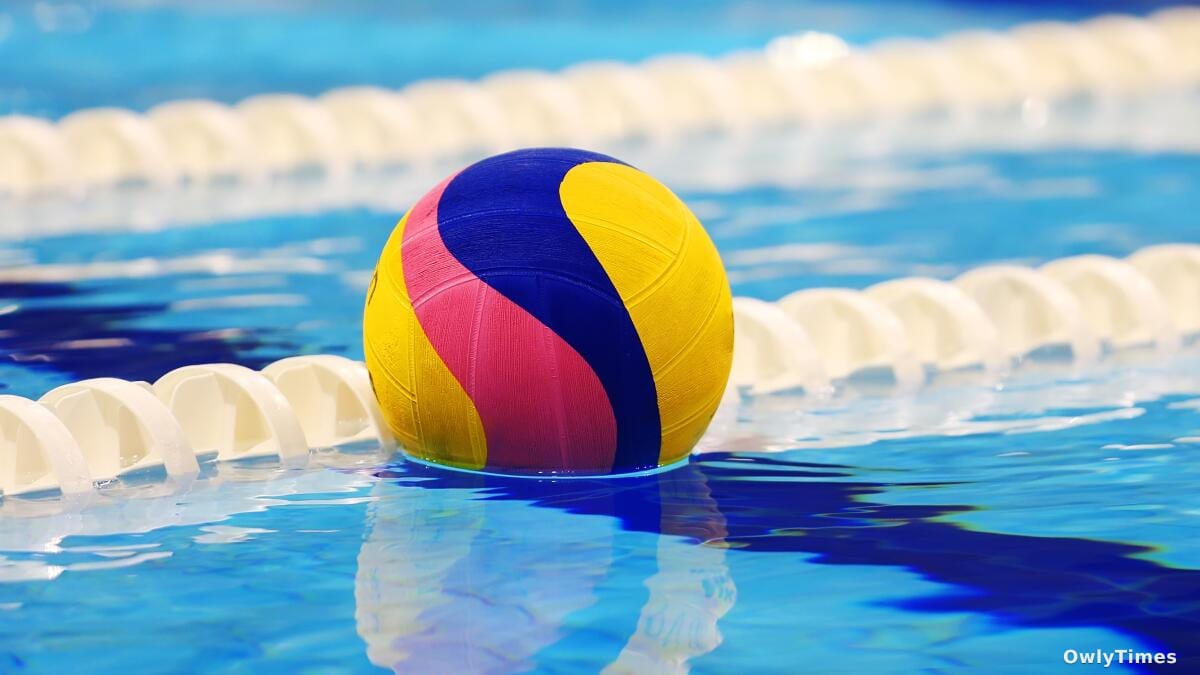

The chlorine stung Maya Rodriguez’s nostrils as she adjusted her cap, the echoing shouts of teammates a muffled roar. It wasn’t the championship game yet, just a final practice before Saturday’s Southern Section Finals at Mt. San Antonio College, but the weight of expectation hung heavy in the air. For the San Bernardino High School girls’ water polo team, a Divison 5 finalist, this wasn’t just about winning a game; it was about rewriting a narrative. A narrative where girls’ sports, particularly in the Inland Empire, often struggle for visibility, for funding, for the same fervent support afforded their male counterparts. This weekend, a quiet revolution is unfolding in the pool, and it’s about far more than goals scored.
A Ripple Effect of Opportunity
The Southern Section Finals, spanning from the Open Division showdown between powerhouses Oaks Christian and Mater Dei to the Divison 5 clash between San Bernardino and Edgewood, represent a culmination of years of slow, steady growth for girls’ water polo. While boys’ water polo has long been a staple of California high school athletics, the girls’ program has historically played catch-up. According to data from the California Interscholastic Federation (CIF), participation in girls’ water polo across Southern California has increased by 18% over the last decade, but still lags behind boys’ participation by roughly 25%. This disparity isn’t simply about numbers; it’s about access. Schools in wealthier districts, like those sending teams to the Open and Division 1 finals – Foothill, San Clemente, Oaks Christian – often boast state-of-the-art facilities and robust club programs that feed into their high school teams. San Bernardino, a district facing ongoing budgetary constraints, doesn’t have that luxury. Their success is built on grit, dedication, and a coaching staff that maximizes limited resources.
See the original the Los Angeles Times story for the full account.
Beyond the Scoreboard: The Fight for Recognition
The fact that San Bernardino High even reached the Division 5 final is a testament to the tireless work of Coach Alicia Hernandez and the unwavering commitment of her players. Hernandez, a former player herself, has spent years building the program from the ground up, relying on fundraising efforts and community support to provide her team with the equipment and training they need. “It’s a constant battle,” Hernandez admitted in a recent interview with the San Bernardino Sun. “We’re competing against schools with significantly more resources. But our girls have heart. They understand what this means, not just for themselves, but for the entire community.” This isn’t just a local story; it’s a microcosm of a larger struggle. Across California, and indeed the nation, girls’ sports are consistently underfunded and undervalued. A 2023 study by the Women’s Sports Foundation found that high school girls receive approximately $1.3 billion less in funding than their male counterparts annually. That translates to fewer scholarships, less access to quality coaching, and a persistent message – implicit or explicit – that girls’ athletic endeavors are less important.
The Momentum of February 2026
The timing of these finals – February 17th and 18th, leading into the championship on Saturday – is also significant. It’s a period of heightened awareness surrounding women’s sports, fueled by the ongoing success of professional athletes and a growing demand for equitable representation. The Los Angeles 2028 Olympics are looming large, and the spotlight on aquatic sports is only intensifying. This creates a unique opportunity to capitalize on the momentum and advocate for increased investment in girls’ water polo at all levels. The CIF’s decision to prominently feature the Southern Section Finals – broadcasting select games online and providing extensive coverage on its website – is a step in the right direction. But it’s not enough. The real impact will be measured by whether this increased visibility translates into tangible support for programs like San Bernardino’s.
What’s Next for the Pipeline?
As Maya Rodriguez and her teammates prepare to face Edgewood, they’re carrying the hopes of a community on their shoulders. But their story isn’t just about winning or losing. It’s about challenging the status quo, demanding equal opportunity, and inspiring the next generation of female athletes. The question now isn’t simply who will win the Division 5 championship. It’s whether the success of teams like San Bernardino will force a broader conversation about resource allocation and equitable access in high school athletics. Will school districts prioritize funding for girls’ sports, recognizing the profound social and economic benefits of investing in female empowerment? And, crucially, will the increased visibility of these athletes translate into more scholarships and opportunities for them to continue their athletic careers beyond high school? The ripple effect of this weekend’s games could extend far beyond the pool, shaping the future of girls’ water polo – and girls’ sports – for years to come.

