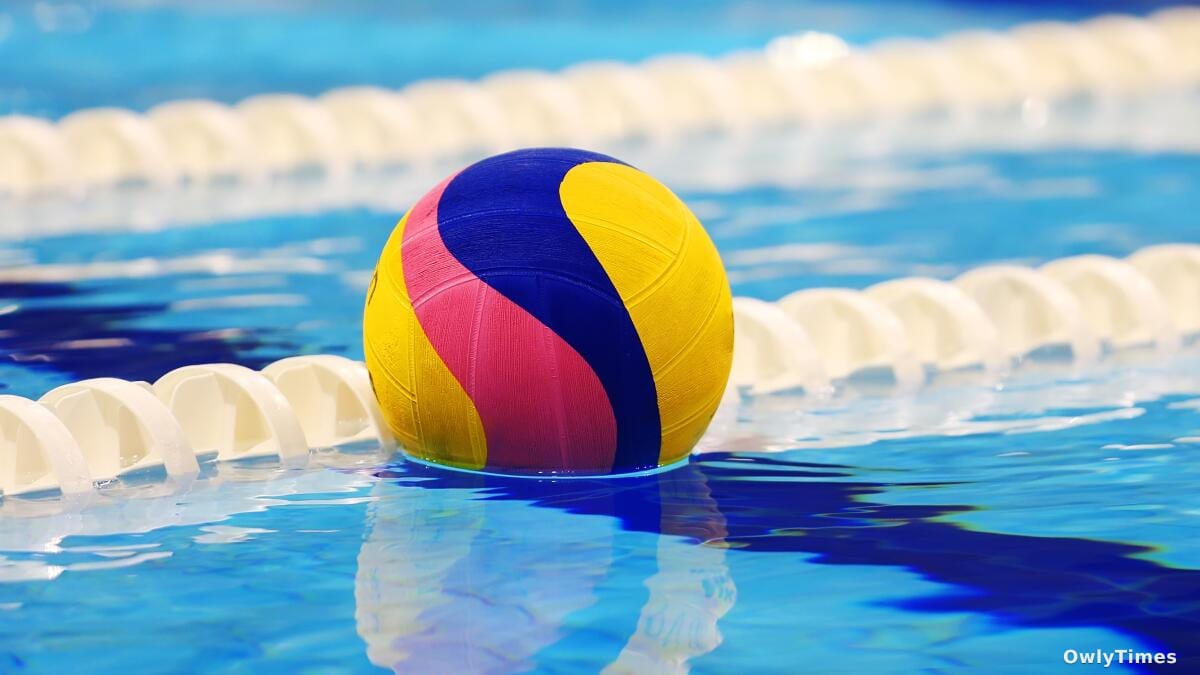

The chlorine stung Maya Rodriguez’s eyes, but she barely noticed. It was the final seconds of the Division 2 Southern Section semifinal between La Serna and Bonita High Schools, the score knotted at 15-15. Rodriguez, a junior attacker for La Serna, cradled the ball, the weight of a championship run pressing down with each tick of the clock. Then, a quick fake, a burst of speed, and a shot that found the back of the net as the buzzer sounded – La Serna winning 16-15. It wasn’t just a game; it was a microcosm of a sport exploding in popularity, and a quiet revolution happening in California high school athletics.
A Surge in the Pool: Beyond Traditional Sports
Water polo, long overshadowed by football and basketball, is experiencing a remarkable surge, particularly among girls. The results from Tuesday’s Southern Section semifinals – a flurry of close games across five divisions – aren’t isolated incidents. Participation in girls’ water polo across California has increased by 22% since 2023, according to data from the California Interscholastic Federation, outpacing growth in nearly all other girls’ sports. This isn’t simply about more kids taking up a new hobby; it’s a shift in the athletic landscape, driven by factors ranging from Title IX enforcement to a desire for sports that emphasize full-body conditioning and strategic teamwork. The CIF reports a record 387 schools fielding girls’ water polo teams this year, a number that seemed unimaginable just a decade ago. Compare that to 2016, when only 254 schools participated, and the scale of the change becomes clear.
The Rise of the Underdog: Challenging Coastal Dominance
Historically, Southern California’s coastal schools – think Newport Harbor and Mater Dei – have dominated girls’ water polo. But the semifinal results reveal a fascinating trend: inland schools are increasingly competitive. Glendora’s decisive 15-4 victory over Chaparral in Division 3, and San Dimas’ nail-biting 6-4 win against Northwood in Division 3, demonstrate that the talent pool is expanding beyond the traditional hotbeds. This isn’t just about improved coaching or facilities; it’s about access. Inland schools, often lacking the same resources as their coastal counterparts, are finding success through dedicated club programs and a growing emphasis on year-round training. San Marcos, the #5 seed in the Open Division, facing off against #1 Mater Dei on Wednesday, represents this shift perfectly – a school proving that championship contention isn’t limited by geography.
Reporting from the Los Angeles Times informs this analysis.
Title IX’s Ripple Effect and the Search for Equity
The growth of girls’ water polo is inextricably linked to the ongoing fight for Title IX compliance. While football continues to receive disproportionate funding and attention, schools are under increasing pressure to provide equitable athletic opportunities for female students. Water polo, requiring relatively modest infrastructure compared to football stadiums, presents a cost-effective way to meet those obligations. However, equity isn’t just about adding teams; it’s about providing equal access to quality coaching, facilities, and travel opportunities. A recent study by the Women’s Sports Foundation found that, even with increased participation, girls’ water polo teams still receive, on average, 18% less funding than boys’ teams in the same districts. This disparity manifests in things like access to dryland training equipment and the number of assistant coaches.
What’s Next for the Sport? A Question of Visibility
Saturday’s finals at Mt. San Antonio College will be a showcase of this burgeoning talent, but the question remains: how do we elevate the visibility of girls’ water polo beyond the local level? While the CIF is streaming the finals, broader media coverage remains limited. The sport lacks a national profile, hindering recruiting opportunities and limiting potential sponsorships. The success of the U.S. Women’s Water Polo team – Olympic gold medalists in 2012 and 2020 – hasn’t fully translated into increased support for the high school game. Will networks begin to recognize the compelling storylines and athletic prowess on display in these pools? Will brands invest in these young athletes, recognizing the growing audience and the sport’s potential for mainstream appeal? The future of girls’ water polo hinges not just on continued participation, but on securing the recognition and resources it deserves.