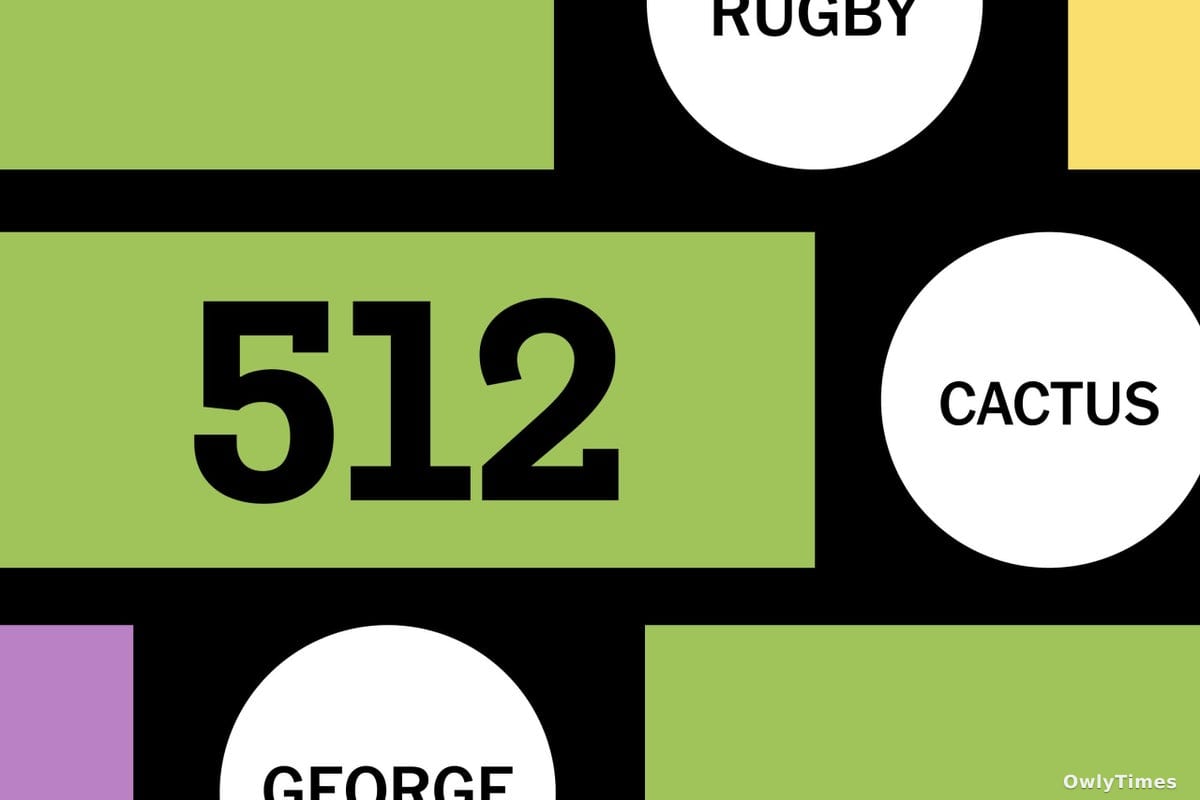

The glow of a phone screen illuminates a pre-dawn kitchen, a bleary-eyed hand hovering over four words: “FENCING,” “GOLF,” “JUDO,” “RUGBY.” It’s 5:58 AM on February 17, 2026, and for a growing number of sports fans, the day doesn’t truly begin until Mark Cooper’s daily brain-bender, Connections: Sports Edition, is conquered. Launched by The Athletic as its first foray into interactive gaming, the puzzle isn’t just a test of sports knowledge; it’s a surprisingly revealing snapshot of how we consume and categorize athletic achievement in the 21st century. And today’s board, rated a 2.5 out of 5 for difficulty, is proving particularly…sticky.
The Rise of the Sports Puzzle
Connections: Sports Edition arrived on the scene in a media landscape saturated with sports content, yet strangely lacking in this particular kind of engagement. While fantasy leagues and prediction games have long been staples, Cooper’s creation offers a different appeal: a quick, daily mental workout that rewards lateral thinking as much as encyclopedic recall. The game’s premise is deceptively simple – group 16 words into four categories of four – but the devil, as players quickly discover, is in the ambiguity. As of today, February 17th, the game is on its 512th iteration, a testament to its surprisingly robust staying power. This isn’t just a flash-in-the-pan viral trend; it’s a sustained engagement model that The Athletic is clearly betting on. The fact that the game’s creator, Cooper, previously held a breaking news role speaks to the publication’s understanding of the need to constantly innovate and capture attention in a fragmented media environment.
This piece references the The New York Times report.
Beyond the Scoreboard: What We Categorize
The February 17th puzzle, with its eventual solutions of Summer Olympic sports (FENCING, GOLF, JUDO, RUGBY), DC schools (AMERICAN, GEORGETOWN, GEORGE WASHINGTON, HOWARD), names associated with the Baseball Hall of Fame (COFFEY, GEORGE, MOLITOR, SKENES), and spring training baseball leagues (CACTUS, G, GRAPEFRUIT, LITTLE), highlights a fascinating pattern in how we mentally organize the sports world. The “easy” yellow category – Olympic sports – taps into a broad, internationally recognized framework. But the deeper cuts – the DC schools, the baseball Hall of Famers, the obscure spring training leagues – reveal a level of niche knowledge and cultural association that speaks to the passionate, dedicated fan base The Athletic is cultivating. The puzzle isn’t just about sports; it’s about the layers of history, geography, and personal connection that make sports meaningful.
The Allure of the Daily Challenge
The game’s structure – the color-coded difficulty levels, the promise of a single, correct solution, the subtle pressure of a limited number of mistakes – is deliberately addictive. The “tricky” purple category, consistently the most challenging, often forces players to abandon initial assumptions and embrace unconventional thinking. This isn’t about simply knowing sports; it’s about thinking like a sports fan, recognizing patterns, and appreciating the unexpected connections that exist within the world of athletics. The daily reset is crucial. It provides a consistent touchpoint for engagement, fostering a sense of community among players who eagerly share their scores and strategies in the comments section, as Cooper encourages. This is a smart move for The Athletic, which relies on subscriptions for revenue; a daily habit is a powerful driver of retention.
What This Means for Sports Media
Connections: Sports Edition isn’t just a fun diversion; it’s a bellwether for the future of sports media. In an era where traditional metrics like viewership and page views are increasingly unreliable, the game offers a new way to measure audience engagement – not just how many people are consuming content, but how deeply they are interacting with it. The success of the puzzle suggests that sports fans are hungry for more than just highlights and analysis; they want to be challenged, to be surprised, and to be part of a community. The question now is whether other sports publications will follow The Athletic’s lead and embrace interactive gaming as a way to build loyalty and deepen their connection with fans. Will we see a Sports Illustrated Connections, or an ESPN Daily Puzzle? The game has proven the concept; now it’s time to see if it can become a lasting trend.

