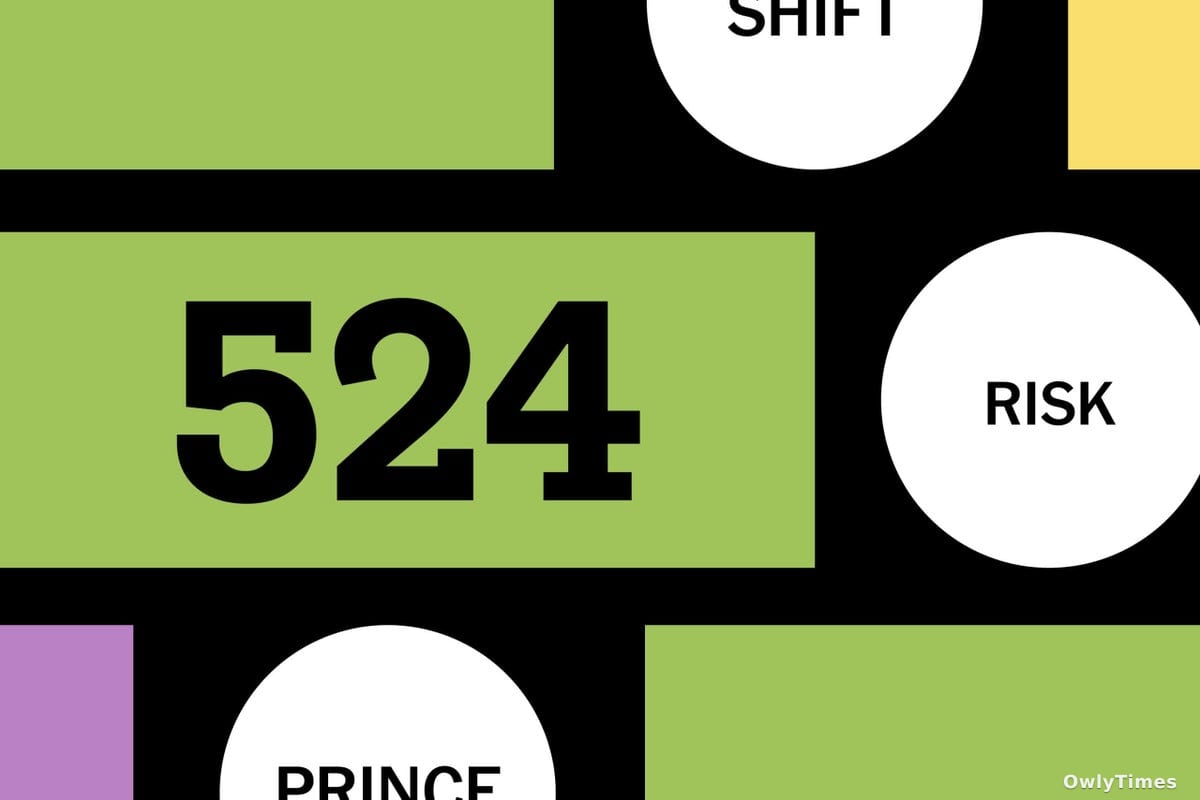

The glow of a phone screen illuminates a pre-dawn kitchen, a bleary-eyed sports fan already wrestling with the daily ritual: Connections: Sports Edition. It’s a small moment, but one replicated thousands of times over, and it speaks to a larger shift in how we consume sports – not just watching games, but actively engaging with the minutiae, the trivia, the underlying language of the games we love. Launched by The Athletic in 2026, the puzzle isn’t about predicting scores or analyzing stats; it’s about recognizing the patterns within the sports world, a world increasingly obsessed with data and decoding. Today’s board, Game No. 524 with a difficulty rating of 2.5 out of 5, presented a particular challenge, with categories ranging from the straightforward “RISK” (Yellow) to the head-scratching “PROGRESSIVE” (Purple).
The Rise of Sports Puzzles and Active Fandom
The Athletic’s foray into daily puzzles isn’t a random move. It’s a calculated response to a growing appetite for interactive sports content. While live game viewership remains strong, particularly for major events, the attention span of the modern fan is fragmented. They want more than just highlights; they want to participate. Games like Connections: Sports Edition tap into this desire, offering a low-stakes, intellectually stimulating way to connect with the sports landscape. The puzzle’s success – it’s become a daily habit for a dedicated following – mirrors the broader trend of sports-themed quizzes, fantasy leagues, and prediction games that have exploded in popularity. This isn’t just about entertainment; it’s about building community and fostering a deeper understanding of the games.
Reporting from The New York Times informs this analysis.
Decoding the Categories: Beyond the Obvious
The March 1st puzzle, created by Mark Cooper, managing editor for college sports at The Athletic, illustrates the puzzle’s clever design. The “Yellow” category, centered around “RISK,” was the easiest to crack, grouping “BET,” “GAMBLE,” “STAKE,” and “WAGER.” But the real intrigue lay in the more nuanced categories. “SHIFT” (Green), focused on pre-snap football motions – “AUDIBLE,” “HARD COUNT,” “MOTION,” and “SHIFT” – required a specific level of football knowledge, rewarding dedicated fans. The “HEAD” (Blue) category, featuring tennis racket brands – “BABOLAT,” “HEAD,” “PRINCE,” and “WILSON” – demonstrated the puzzle’s ability to span different sports, testing a broader range of expertise. And then there was “PROGRESSIVE” (Purple), the most challenging, linking to “RIGHT,” “SOLDIER,” and “WRIGLEY” – a reference to the famous outfield wall at Wrigley Field. This category highlights the puzzle’s willingness to embrace ambiguity and reward lateral thinking.
The Creator’s Perspective: From Breaking News to Brain Teasers
Mark Cooper’s transition from managing editor for breaking news to puzzle creator is itself a fascinating story. He’s a veteran journalist accustomed to reacting to events in real-time, now tasked with constructing a miniature world of connections and clues. As Cooper explained, the goal is to create a puzzle with exactly one solution, a deceptively simple objective that requires meticulous planning and a deep understanding of sports terminology. His background in breaking news likely informs his approach, demanding precision and a keen eye for detail. The daily nature of the puzzle also mirrors the news cycle, providing a consistent stream of content for The Athletic’s subscribers. This isn’t just a side project; it’s a strategic investment in audience engagement.
What This Means for the Future of Sports Media
Connections: Sports Edition isn’t just a fun diversion; it’s a bellwether for the future of sports media. The puzzle’s success demonstrates that fans are hungry for content that goes beyond traditional reporting and analysis. They want to be challenged, to be rewarded for their knowledge, and to connect with other fans in a meaningful way. The Athletic’s gamble on interactive gaming has paid off, attracting a new audience and strengthening its existing subscriber base. The question now is whether other sports media outlets will follow suit, and how they will innovate in this space. Will we see puzzles focused on specific leagues, teams, or even individual athletes? Will augmented reality and virtual reality technologies be integrated into these experiences? The game has changed, and the future of sports media will be defined by those who can adapt and embrace the evolving needs of the modern fan.

