
The air in the Caesars Sportsbook at Harrah’s was thick with anticipation last week, but not the celebratory kind. Patrick Berbert, Caesars’ college basketball trader, wasn’t celebrating bracket busters; he was bracing for a payout. It wasn’t the games themselves causing the shift, but who people were betting on to win it all. A quiet surge of money, a “quantum shift” as Berbert called it, had turned St. John’s, a team few predicted would make a deep run, into the book’s biggest liability. This isn’t just about wins and losses on the court; it’s a stark illustration of how public perception, fueled by social media and a hunger for underdog stories, is reshaping the multi-billion dollar world of sports betting.
March Madness is always a spectacle, a $15.5 billion industry according to the American Gaming Association, but this year’s Sweet 16 is revealing a fascinating tension between the “sharps” – the professional bettors who analyze data and lines with laser focus – and the casual fan, driven by gut feeling and a love for a good narrative. Before the tournament began, Michigan was the team keeping Berbert up at night. Now, they’re a welcome sight on the balance sheet. The Red Storm, led by the ever-controversial Rick Pitino, have become the darlings of the betting public, and Caesars is feeling the heat. This isn’t simply a case of bad luck; it’s a sign that the power dynamic in sports betting is subtly, but significantly, shifting.
See the original foxsports.com story for the full account.
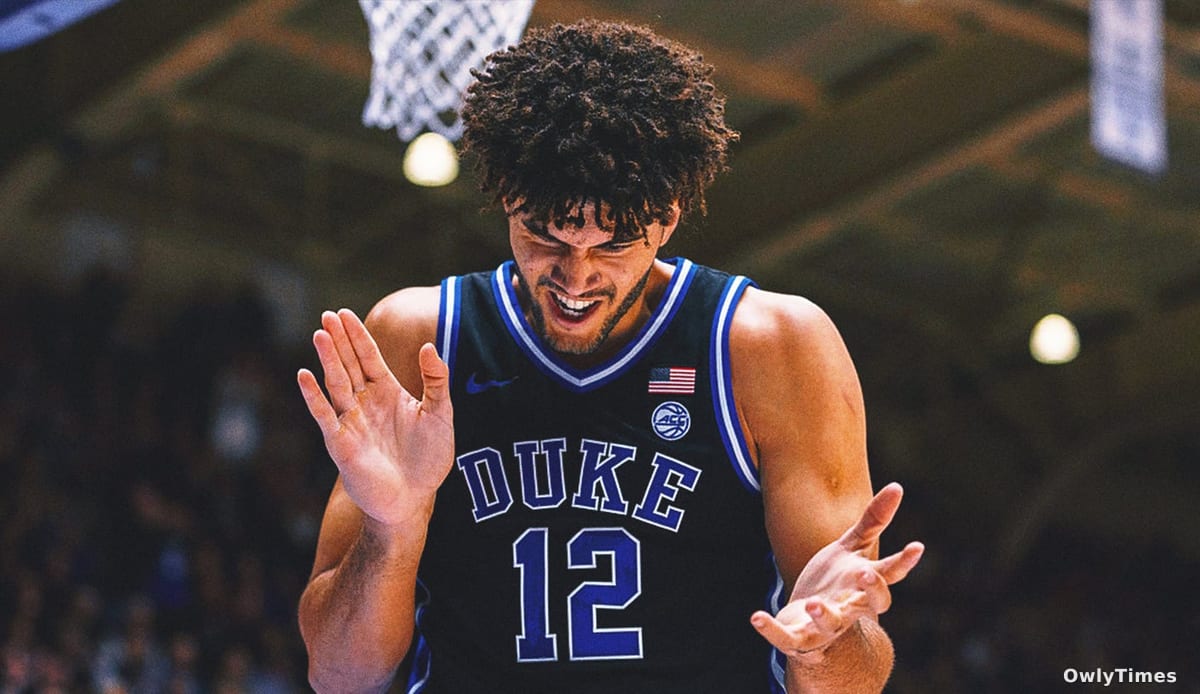
The impact of this shift is immediately visible in the Duke-St. John’s matchup. Caesars initially opened Duke as a 6.5-point favorite, briefly pushing it to -7, but a flood of bets on St. John’s forced them to retreat to -6.5. “Seven is the number where buyback has been,” Berbert explained, anticipating even more money flowing in on the Red Storm. This isn’t about Duke being a bad team – they’re 34-2 straight up – it’s about Caesars actively wanting Duke to win, not because they believe in the Blue Devils more, but because a St. John’s victory would be a costly blow to their bottom line. It’s a perverse incentive, a situation where the house is rooting against the public’s favorite.
Beyond the Duke-St. John’s drama, the Illinois-Houston game is attracting the biggest bet volume, despite lacking the same narrative punch. The shorter spread – currently at -3 for Houston – is drawing in a wider range of bettors, creating what Berbert calls “great two-way action.” This highlights a key principle of sports betting: uncertainty breeds volume. When the point spread is tight, more people are willing to wager, regardless of their level of expertise. Meanwhile, sharp bettor Paul Stone is eyeing Texas against Purdue, liking the Longhorns to stay within the 7.5-point spread, citing the growth of center Matas Vokietaitis as a key factor. Stone’s analysis underscores the importance of in-depth team knowledge, a quality often overlooked by the casual bettor swept up in the March Madness frenzy.
But perhaps the most intriguing story lies with Arkansas and Arizona. While Caesars is hoping for an Arizona win, they’re acknowledging the “sharp” money is on Arkansas. And they’re also recognizing the influence of John Calipari’s impressive 12-3 ATS record in Sweet 16 games. This is where the tension between the public and the professionals becomes most acute. Caesars is actively rooting for the favorite, a rare occurrence, because they believe the public will overwhelmingly back the underdog, minimizing their potential losses. It’s a calculated gamble, a testament to the increasingly sophisticated strategies employed by sportsbooks to navigate the unpredictable waters of March Madness.
The story of this year’s Sweet 16 isn’t just about upsets and buzzer-beaters. It’s about the democratization of information, the rise of social media-fueled betting trends, and the growing power of the individual bettor. Caesars’ experience demonstrates that the days of simply setting a line and waiting for the money to roll in are over. Now, they’re actively managing liabilities, anticipating public sentiment, and even rooting for specific outcomes based on their financial exposure. The question now is: will this trend continue? Will we see more sportsbooks openly acknowledging their preferred outcomes, and will that transparency ultimately erode public trust? Or will the allure of the underdog, and the thrill of the gamble, continue to drive the narrative, leaving the houses to quietly adjust their strategies and brace for the inevitable swings of March Madness?