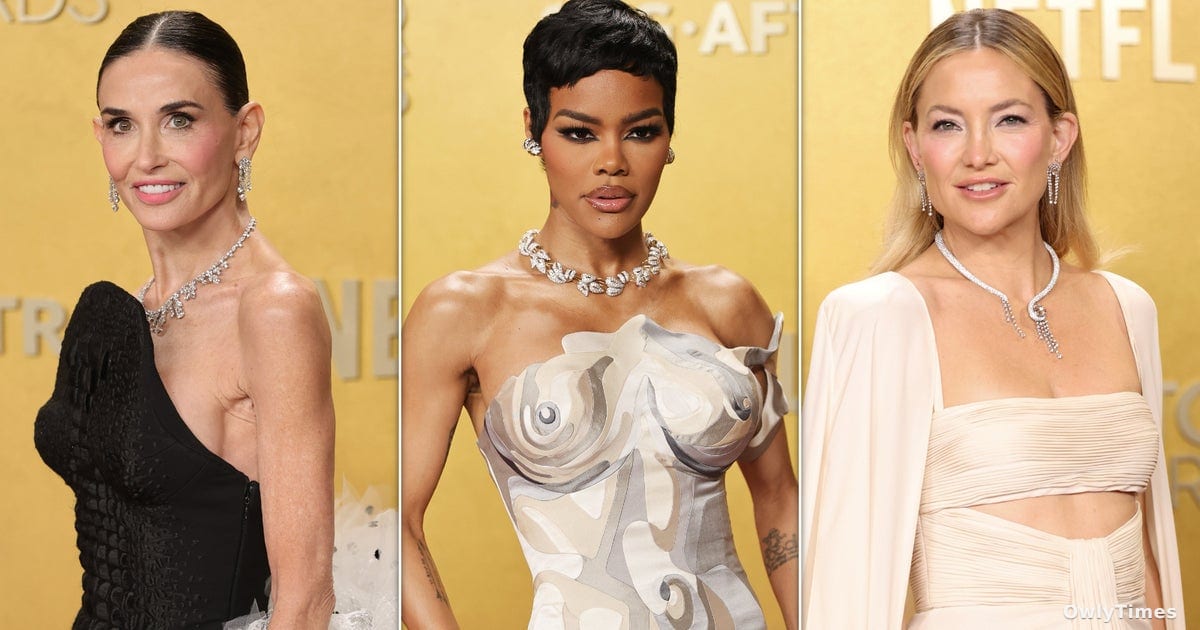

The flashbulbs popped with a ferocity usually reserved for royal weddings, but Sunday night’s Actor Awards in Los Angeles wasn’t about tiaras and lineage—it was about a calculated return to glamour. Kristen Bell, radiant in silver, wasn’t just hosting an awards show; she was presiding over a rebranding. Formerly the Screen Actors Guild Awards, the event’s name change isn’t merely cosmetic. It’s a deliberate attempt to recapture a sense of prestige, a feeling that’s been eroding in an entertainment landscape fractured by streaming wars, shrinking theatrical releases, and a constant churn of content. But the real signal wasn’t in the new name, it was in the dress code: “Reimagining Hollywood Glamour From the ’20s and ’30s.”
A Return to Old Hollywood, But For Whom?
The choice to anchor the evening in the Golden Age of Hollywood feels less like nostalgia and more like a strategic pivot. The ’20s and ’30s represent a period of studio system control, of carefully curated star images, and, crucially, of a shared cultural experience centered around moviegoing. In 2024, that control is gone. Streaming services boast massive libraries, but lack the cultural gravity of a Friday night at the cinema. The dress code, then, wasn’t just about beautiful gowns—it was about attempting to manufacture a sense of occasion, a collective moment of awe in an increasingly fragmented media environment. Kate Hudson, shimmering in Valentino and 76.73 carats of diamonds courtesy of Emily P Wheeler, embodied this aspiration, radiating a timeless elegance that felt deliberately constructed. The sheer volume of jewels, a throwback to the opulent displays of the era, wasn’t accidental. It was a statement.
See the original huffpost.com story for the full account.
The red carpet was awash in monochrome and metallics, a visual echo of the silver screen’s early days. Demi Moore’s dramatic black Schiaparelli, embossed to resemble crocodile skin, and Teyana Taylor’s custom Thom Browne gown, with its swirling hues and sequined skirt, were standouts. But beyond the aesthetic choices, the dress code also served a practical purpose. It provided a narrative. In a year where the industry is grappling with the implications of AI, the writers’ and actors’ strikes, and the ongoing debate over fair compensation, a focus on glamour offered a welcome distraction. The narrative became about the artistry of fashion, the skill of designers, and the enduring power of Hollywood style—anything but the messy realities of labor disputes and technological disruption.
Beyond the Gowns: A Union Flexing Its Muscle
The Actor Awards, at its core, remains a union-hosted event. And while the gowns stole the headlines, the very existence of the awards, and its elevated profile, speaks to the growing power of SAG-AFTRA. The rebranding, approved by members in 2023, was a direct response to a perceived lack of recognition and a desire to elevate the awards’ standing alongside the Golden Globes and the Oscars. In a year where actors fought tooth and nail for protections against unauthorized use of their likenesses by AI, the awards served as a potent reminder of their collective strength. The streaming deal with Netflix, a first for the awards, is also significant. It’s a clear indication of the shifting power dynamics in the industry, with streaming platforms increasingly recognizing the value of aligning themselves with established awards shows.
The choice of Netflix as a broadcast partner is particularly interesting given the platform’s own history with actors and writers during the strikes. While Netflix ultimately reached an agreement with the unions, the company was initially seen as a major obstacle to progress. Streaming the awards on Netflix, then, can be interpreted as a gesture of goodwill, a way for the platform to demonstrate its commitment to the industry. But it’s also a savvy business move. The awards provide Netflix with a valuable opportunity to showcase its brand to a large and engaged audience.
The Shifting Landscape of Awards Season
The Actor Awards’ attempt to recapture the glamour of Old Hollywood isn’t happening in a vacuum. The entire awards season is undergoing a transformation. The Golden Globes, after years of controversy surrounding diversity and ethical concerns, underwent its own overhaul, with a new ownership structure and a renewed focus on inclusivity. The Oscars are also facing pressure to adapt to a changing audience and a more diverse industry. The question is whether these efforts will be enough to restore the awards’ cultural relevance. Viewership for awards shows has been declining for years, as audiences increasingly turn to social media and streaming platforms for their entertainment. The 2024 Actor Awards, streamed on Netflix, will offer a crucial data point. Will the platform’s subscriber base tune in? Will the show generate significant social media buzz?
The success of the rebranding, and the awards’ future viability, hinges on its ability to connect with a new generation of viewers. The focus on glamour, while visually appealing, may not be enough to resonate with an audience that values authenticity and social impact. The industry is at a crossroads, grappling with fundamental questions about its role in society and its responsibility to its workers. The Actor Awards, with its carefully curated image and its union roots, is uniquely positioned to navigate this complex landscape. But whether it can successfully do so remains to be seen. Will the industry embrace a genuine reimagining of its values, or will it simply rely on the shimmering facade of a bygone era? That’s the question Hollywood—and its audience—should be watching closely.