
Beyond the Curb: Why Sudbury’s Hazardous Waste Day Signals a Broader Shift in Environmental Responsibility
The seemingly routine announcement of Sudbury’s annual Household Hazardous Waste (HHW) Collection Day – scheduled for Saturday, March 28th, 2026, from 8:00 AM to 12:00 PM at the DPW Building, 275 Old Lancaster Rd – speaks to a growing, and often overlooked, tension in modern life: the increasing burden of managing the byproducts of a consumer society. While many towns offer similar collection events, Sudbury’s proactive approach, and the now-required pre-registration, highlights a shift from simply accepting hazardous waste to actively managing its flow, a change driven by both environmental concerns and escalating disposal costs. This isn’t just about safely getting rid of old paint; it’s about acknowledging the long-term implications of what we bring into our homes and, ultimately, back into the environment.
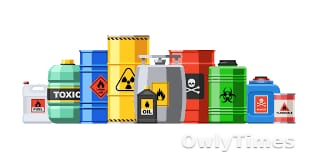
The event, organized by the Sudbury Health Department, provides residents a designated opportunity to dispose of items like paints, solvents, pesticides, and batteries – materials that pose risks if improperly discarded. These risks aren’t abstract; improper disposal can contaminate soil and groundwater, impacting local ecosystems and potentially public health. What’s often missed in coverage of these events is the sheer volume of HHW generated. Nationally, the EPA estimates that the average household accumulates approximately one pound of hazardous waste per year, but this figure doesn’t account for larger projects like home renovations or seasonal items like lawn chemicals. The fact that Sudbury now requires registration – a relatively recent addition – suggests the town is anticipating, and potentially already experiencing, increased participation, and a need to control the logistical demands of the collection. You can register for the event here.
Original reporting: sudbury.ma.us.
The Registration Requirement: A Response to Rising Demand and Resource Constraints
The move to a registration system isn’t merely a bureaucratic step. It’s a direct response to practical limitations. According to event details, spots “go quickly,” indicating a high level of resident engagement. This demand strains the resources available for safe handling and disposal. Hazardous waste isn’t simply thrown away; it requires specialized packaging, transportation, and processing, all of which come at a significant cost. By requiring registration, Sudbury can better estimate the volume of waste to expect, allowing for more efficient staffing, appropriate container allocation, and potentially, negotiation of better rates with disposal facilities. This proactive management is increasingly crucial as disposal costs continue to rise, driven by stricter environmental regulations and dwindling landfill capacity.
It’s important to clarify what the event doesn’t address. While it provides a vital service for household-level waste, it doesn’t tackle the larger issue of hazardous waste generated by businesses or industrial sources. Nor does it address the root cause: the continued production and consumption of products containing hazardous materials. The event is a mitigation strategy, not a solution. Furthermore, the success of the event hinges on resident participation. A significant portion of hazardous waste remains improperly disposed of, either through regular trash collection or illegal dumping, precisely because many people are unaware of the risks or lack convenient disposal options.
Beyond Disposal: The Growing Focus on Waste Reduction and Product Stewardship
The emphasis on registration also subtly encourages residents to be more mindful of their consumption habits. Knowing that space is limited may prompt individuals to consolidate items or explore alternatives to hazardous products. This aligns with a broader trend towards “product stewardship,” a concept gaining traction in environmental policy. Product stewardship places responsibility not just on consumers for disposal, but on manufacturers for the entire lifecycle of their products, including design, production, and end-of-life management. While Massachusetts doesn’t currently have comprehensive product stewardship laws for all hazardous materials, initiatives like paint recycling programs and battery take-back programs are gaining momentum.
This shift in responsibility is economically significant. The cost of managing hazardous waste is ultimately borne by taxpayers, either directly through municipal services or indirectly through higher product prices. By incentivizing manufacturers to design products that are less hazardous or easier to recycle, product stewardship can reduce these costs and promote a more circular economy. The fact that Sudbury is actively managing the logistical challenges of HHW collection suggests a willingness to embrace these broader principles, even in the absence of statewide mandates.
What Comes Next: Tracking Participation and Expanding Regional Collaboration
The next crucial step for Sudbury will be to analyze the data collected through the registration process. Tracking the types and quantities of waste collected will provide valuable insights into consumption patterns and inform future collection efforts. Are certain types of hazardous waste consistently overrepresented? Are there specific demographics that are more likely to participate? This information can be used to tailor educational outreach programs and target resources more effectively.
However, the long-term solution likely lies in regional collaboration. Hazardous waste management is most efficient at scale. Coordinating collection events and disposal facilities across multiple towns can reduce transportation costs and maximize processing capacity. Residents should watch for announcements regarding potential partnerships between Sudbury and neighboring communities in the coming years. The question isn’t simply whether Sudbury can continue to offer this valuable service, but whether it can leverage regional resources to create a more sustainable and cost-effective system for managing the hidden environmental costs of modern living.





