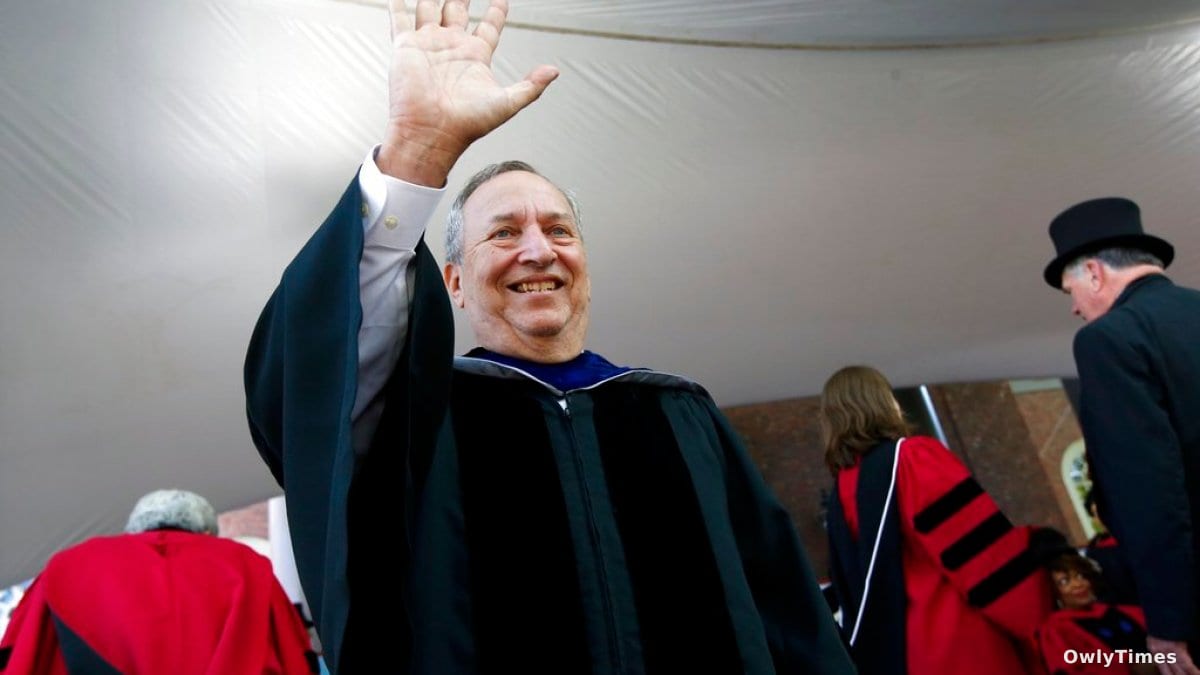

The Calculus of Capitulation: Summers and the Erosion of Elite Immunity
The resignation of Larry Summers from Harvard University isn’t simply about a disgraced economist distancing himself from a convicted sex offender; it’s a calculated retreat from a position of influence, dictated by the shifting power dynamics surrounding reputational risk. The timing – announced February 25, 2026 – is critical. It’s not the revelation of contact with Jeffrey Epstein that forces Summers’ hand, but the sustained, public pressure following the release of Epstein’s files and the subsequent erosion of the protective shield historically afforded to figures within the American elite. Summers isn’t accused of criminal wrongdoing, yet his departure signals a new reality: proximity to scandal, even without direct culpability, can now be politically fatal.
The initial fallout centered on Summers’ admitted continued communication with Epstein until July 2019, a fact he acknowledged as a “misguided decision” in November. However, the December release of documents revealing he was named a successor executor in a 2014 draft of Epstein’s will dramatically altered the narrative. While a spokesperson for Summers claims he had no knowledge of this designation, the optics are devastating. This isn’t a case of casual acquaintance; it suggests a level of trust and financial entanglement that transcends mere professional curiosity. The Harvard review, triggered by the file releases, became a formality – a procedural step preceding an inevitable outcome. Who benefits and who loses here is stark: Harvard attempts to insulate itself from further reputational damage, while Summers sacrifices a platform he’s held for decades.
This situation echoes historical precedents where powerful figures have been forced to navigate the consequences of association. Consider the resignation of Richard Nixon’s aides during the Watergate scandal. While not directly implicated in the break-in, figures like H.R. Haldeman and John Ehrlichman became liabilities, their continued presence damaging Nixon’s ability to govern. Similarly, the recent resignation of Hyatt Hotels chairman Thomas Pritzker over Epstein ties demonstrates a pattern: the higher the profile, the greater the scrutiny, and the faster the fall when linked to such a scandal. The difference now is the speed and intensity of the response, fueled by social media and a public increasingly intolerant of perceived impunity. The Epstein files aren’t just legal documents; they’re a weapon in a broader cultural reckoning.
Source material: Al Jazeera.
The OpenAI resignation in a prior wave of disclosures is telling. Summers didn’t wait for a forced removal; he preemptively distanced himself, suggesting an awareness of the escalating risk. This pattern of self-preservation highlights the strategic calculation at play. Summers’ continued presence at Harvard, even in a diminished role, would have served as a constant reminder of the university’s willingness to tolerate association with individuals like Epstein. The university, facing pressure from students, alumni, and donors, couldn’t afford that ongoing distraction. The financial implications are significant; Harvard’s endowment relies heavily on donor confidence, and that confidence is demonstrably shaken by these revelations.
Looking ahead, the key political chess move to watch is whether this sets a precedent for other figures named in the Epstein files. Will more individuals in positions of power proactively resign or be forced out? The focus will now shift to those who not only maintained contact with Epstein but also benefited financially or professionally from the association. The question isn’t simply who knew what, but who profited from knowing him – and whether those profits will now be publicly scrutinized and potentially clawed back. The next domino to fall may not be at an academic institution, but within the financial sector, where Epstein’s network was particularly dense.





