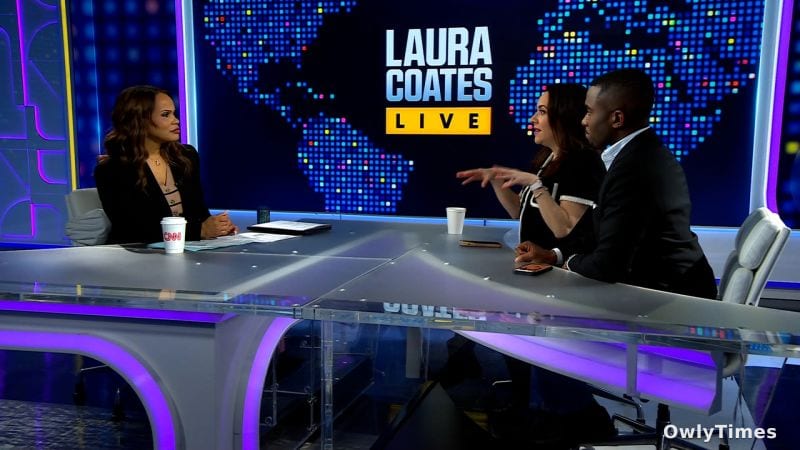

Is the American public even paying attention to how their representatives leave office anymore? The headlines scream scandal – Tony Gonzales’s abrupt exit from the House, fueled by the admission of an affair and the tragic suicide of an aide – but the real story here isn’t the tawdry details, it’s the accelerating erosion of accountability in a system already buckling under the weight of hyper-partisanship and donor influence. We’re not just witnessing a personal tragedy and its political fallout; we’re watching a normalization of quiet departures designed to minimize damage, leaving voters scrambling to understand who actually represented them in the interim.
The situation surrounding Gonzales, a Republican representing Texas’s 23rd congressional district, is deceptively simple on the surface. He won’t seek reelection, a decision announced after acknowledging the affair. As CNN’s coverage highlights, commentators like Xochitl Hinojosa and Shermichael Singleton are debating whether he should resign immediately or serve out his term. But this debate misses a crucial point: the timing of the announcement, strategically placed amidst a whirlwind of other political crises – the ousting of DHS Secretary Kristi Noem, escalating tensions with Iran, and a contentious Senate hearing involving Tim Sheehy – feels less like a principled decision and more like a calculated attempt to disappear into the noise. The sheer volume of crises being thrown at the public right now isn’t accidental; it’s a tactic to dilute outrage and normalize instability.
Drawn from CNN.
This isn’t unique to Gonzales, or even to the Republican party. The recent, swift removal of Noem by President Trump, followed by the appointment of Markwayne Mullin as the new Homeland Security chief, demonstrates a similar pattern. The justification for Noem’s firing – a vague collection of “mishaps” as described by CNN – feels flimsy, especially when contrasted with the continued support for Trump despite his own well-documented controversies. The speed with which these personnel changes occur, often accompanied by carefully crafted narratives, leaves little room for genuine public scrutiny. The average voter isn’t given time to process one crisis before being bombarded with the next, creating a sense of helplessness and disengagement.
The broader context is critical. The political landscape is increasingly defined by performative outrage and a relentless focus on fundraising. Representatives like Gonzales are often more beholden to wealthy donors and party leadership than to their constituents. When a scandal threatens to disrupt that flow of money and power, the incentive is to minimize the fallout, not to address the underlying issues. The fact that CNN is simultaneously reporting on Trump’s continued support from his base, even amidst international conflict, underscores this dynamic. Loyalty to a figure, or to a party, trumps accountability. The network’s coverage of the hype video splicing real war footage with video game clips is particularly unsettling, demonstrating a willingness to manipulate public perception.
What’s particularly concerning is the impact on local communities. Texas’s 23rd district is now facing an unexpected special election, disrupting the continuity of representation. This isn’t just about policy; it’s about access to resources, constituent services, and a voice in Washington. The same holds true for any district left scrambling after a sudden departure. The cost of these disruptions – in terms of time, money, and lost representation – is rarely factored into the political calculus. The focus remains on the national narrative, while the needs of ordinary citizens are sidelined. The question isn’t simply who will replace Gonzales, but how will this process further erode trust in the system?
Looking ahead, expect to see more of these strategically timed exits. As the political climate becomes increasingly volatile, representatives facing scrutiny will likely opt for quiet departures rather than prolonged battles. The real test won’t be whether they’re held accountable – because, increasingly, they aren’t – but whether voters become numb to the pattern. Will we reach a point where a representative resigning amid scandal is simply accepted as “business as usual”? That’s the scenario to watch for in the next election cycle.





