
The air in Phoenix is thick with anticipation, not just for the desert bloom coming in spring, but for the annual reckoning that is “Newsmakers Week” on Bickley & Marotta. It’s a four-day stretch in February where the power brokers of Arizona sports – from team owners to university presidents – step into the spotlight, not to spin narratives, but to face the music. This isn’t a promotional tour; it’s a pressure cooker, and this year, the heat is turned up higher than ever. While other cities celebrate Super Bowl hype or March Madness brackets, Phoenix is having a different kind of conversation: one about rebuilding, resilience, and the very future of its athletic identity.
The Weight of Expectations in a Rebuilding Year
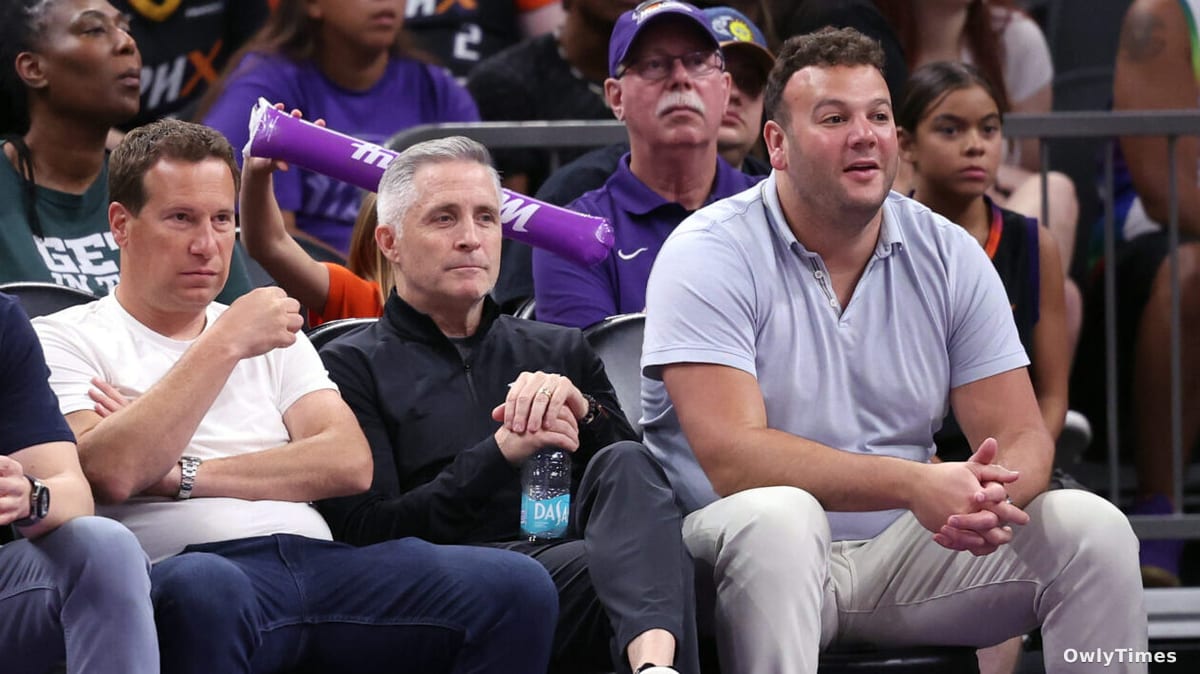
The timing of Newsmakers Week isn’t accidental. It lands squarely in the lull between seasons, a moment when the dust has settled enough to assess damage and chart a course. This year, that assessment is particularly stark. The Phoenix Suns, after a tumultuous offseason and a mid-season trade that sent Kevin Durant packing, are fighting to simply make the playoffs, currently sitting at 32-28 as of February 20th. That’s a far cry from championship aspirations, and Brian Gregory, the Suns’ GM, will undoubtedly face tough questions when he appears on Bickley & Marotta Wednesday morning. But the Suns’ struggles aren’t unique. Across town, the Arizona Diamondbacks are grappling with a different kind of crisis: a roster decimated by injuries. Shortstop Geraldo Perdomo will kick off the week Tuesday morning, likely fielding questions about how the team plans to navigate a season already threatened by key absences. The D-backs, after a surprising playoff run in 2023, are facing the harsh reality that sustained success requires more than just luck.
The sheer volume of leadership appearing on the show – from Derrick Hall, the D-backs’ president and CEO, to Josh Bartelstein, the Suns’ president – speaks to a broader trend. Arizona sports are undergoing a period of intense scrutiny, a reckoning with the fact that simply having teams isn’t enough. Fans want consistent competitiveness, and the pressure to deliver is immense. This isn’t just about wins and losses; it’s about economic impact, civic pride, and the state’s growing reputation as a major league market.
Original reporting: arizonasports.com.
Beyond the Scoreboard: The Business of Big Events
Newsmakers Week isn’t solely focused on the professional and collegiate teams. The inclusion of figures like Latasha Causey, president of Phoenix Raceway, and Jason Eisenberg, chairman of the 2026 WM Phoenix Open, highlights the crucial role of major events in Arizona’s sports ecosystem. These events aren’t just entertainment; they’re economic engines, generating millions in revenue and attracting tourists from around the globe. Jay Parry, CEO and president of the Arizona Sports & Events Alliance, will be discussing the upcoming Women’s Final Four, a massive undertaking that showcases Phoenix’s ability to host world-class competitions. The success of these events is vital, especially as other cities aggressively compete for the same economic opportunities. Arizona’s ability to consistently deliver seamless, high-profile events is a key factor in attracting future investment and solidifying its position as a premier sports destination.
The presence of Erik Moses, executive director and CEO of the Fiesta Bowl, is particularly noteworthy. The Fiesta Bowl, a cornerstone of Arizona’s sporting calendar, has faced its own share of challenges in recent years, including past scandals and evolving college football landscape. His appearance offers a chance to discuss the organization’s future and its commitment to maintaining its relevance in a rapidly changing world.
The Collegiate Landscape: A Battle for Arizona Supremacy
The inclusion of coaches and athletic directors from Arizona State, Grand Canyon University, and Phoenix Rising FC signals a shift in focus towards the growing importance of collegiate and minor league sports in the state. Bobby Hurley, head coach of ASU men’s basketball, and Tommy Lloyd, his counterpart at Arizona, will both be on air, likely facing questions about their teams’ respective NCAA Tournament prospects. The rivalry between ASU and Arizona is fierce, and the stakes are high as both programs vie for national recognition.
But the conversation extends beyond the Pac-12 (soon to be the Big 12 for ASU). Brian Mueller, president of Grand Canyon University, and coaches Bryce Drew and Molly Miller represent the rising influence of GCU, a program that has quickly established itself as a force in the local sports scene. The success of GCU demonstrates a growing appetite for accessible, affordable college athletics, and its presence on Newsmakers Week underscores its increasing importance in the Arizona sports landscape. Even Kenny Dillingham, ASU’s football head coach, will be present, facing questions about his ambitious rebuilding project.
This year’s Newsmakers Week isn’t just about addressing current challenges; it’s about defining the future of Arizona sports. Will the Suns be able to navigate their post-Durant era and remain competitive? Can the Diamondbacks overcome their injury woes and build a sustainable winning franchise? Will Arizona State and Grand Canyon University continue to elevate their athletic programs and attract top talent? And, crucially, will Phoenix be able to maintain its position as a premier destination for major sporting events? The answers to these questions will shape the state’s athletic identity for years to come. The real game isn’t being played on the field or the court this week – it’s unfolding in the studio, as Arizona’s sports leaders attempt to articulate a vision for a future that, for the first time in a long time, feels genuinely uncertain.