
The landscape of home entertainment is no longer just about who has the deepest library, but who can master the chaotic intersection of prestige drama, blockbuster film, and the irreplaceable adrenaline of live sports. When Amazon CEO Andy Jassy stepped before shareholders recently, he didn't just talk about streaming; he outlined a blueprint for an ecosystem where content is the primary currency. By placing his bets on a mix of high-concept originals and the sheer, unyielding gravity of professional athletics, Jassy is positioning Prime Video not merely as a utility, but as the central hub for the modern viewer’s attention.
The Power of the Blockbuster and the Franchise
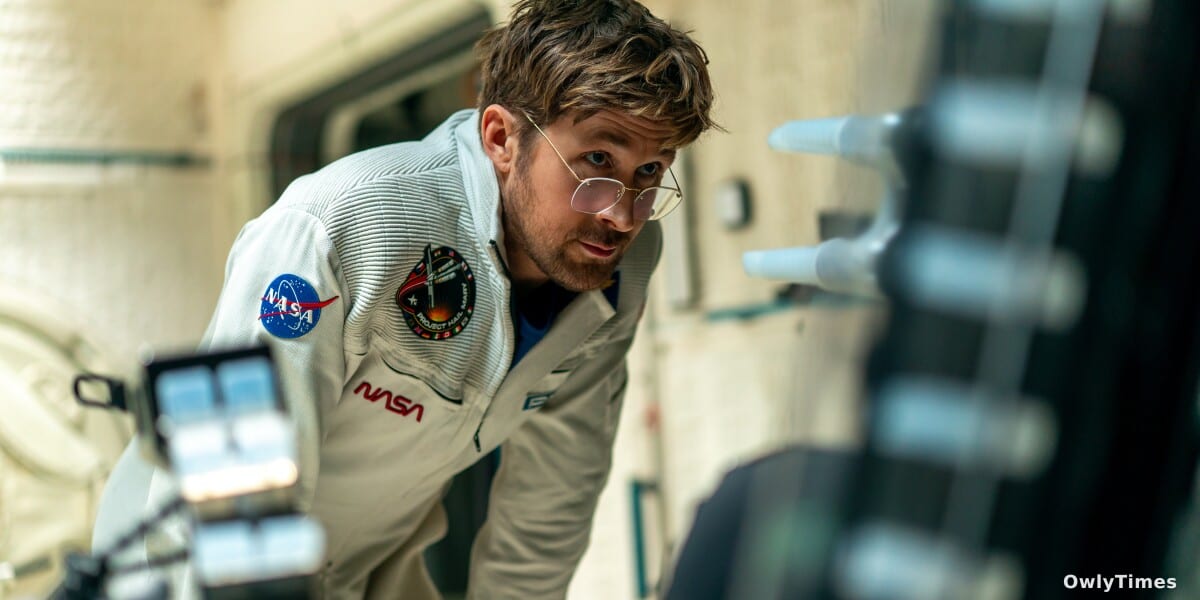
At the heart of Jassy’s strategy is a recognition that cultural dominance still requires the occasional, massive tentpole event. He spoke with genuine enthusiasm about the current cinematic landscape, specifically highlighting the sci-fi hit Project Hail Mary. Declaring it one of the best films he has seen in the last five years, Jassy pointed to the movie’s performance as proof of concept, noting it has already raked in over $665 million at the box office in just a few weeks.
This isn't just about one-off hits, though; it is about building long-term intellectual property. The Culpables movie trilogy serves as a prime example of this reach, having pulled in 100 million-plus viewers and hitting the number one spot in 170 countries. Looking ahead, the company is leaning into established fanbases, with an upcoming film sequel to The Summer I Turned Pretty slated for 2027 and ongoing development within the legendary Bond franchise. By balancing these massive, globally recognized names with genre-bending series like Fallout, Reacher, The Boys, Cross, Young Sherlock, Off Campus, Beast Games, Elle, Spider Noir, and Blade Runner 2099, Amazon is attempting to capture every corner of the demographic spectrum.
Sports as the Ultimate Retention Tool
While scripted narratives bring people in, Jassy understands that live sports are the glue that keeps them there. He cited a striking statistic that underscores the current hierarchy of television: 95 of the top 100 most-watched shows every year are live sports. This is the bedrock of his strategy to drive subscriber acquisition and, perhaps more importantly, sustained daily engagement.
The portfolio he described is nothing short of exhaustive. From the established dominance of Thursday Night Football with the NFL to the successful conclusion of their first season of the NBA, Amazon is rapidly becoming a destination for high-stakes competition. The expansion into global events, including the first time streaming the Masters this past April, alongside NASCAR, UEFA, and the Champions League, suggests a platform that is aggressively diversifying its sports offerings. For a subscriber, this creates a compelling reason to keep the app active throughout the entire calendar year.
Beyond the Original Library
Jassy is also looking outward to consolidate the fragmented streaming market. By highlighting partnerships with third-party content providers—a roster that includes Warner Bros. Discovery with HBO Max, Paramount+, Peacock, Apple TV+, and Fox—he is leaning into the idea of Prime Video as a digital storefront.
By functioning as a hub, Amazon is effectively turning its competitors into its partners. Jassy noted that this segment of the business is not only growing but is already profitable. As the industry grapples with the transition from the era of "growth at all costs" to a more disciplined focus on the bottom line, the success of this aggregated model will be the primary metric to watch. Whether the platform can continue to scale this profitable synergy will determine if Amazon truly becomes the indispensable gatekeeper of the streaming age.