
The chipped ceramic mug warmed Todd Howard’s hands as he spoke to KindaFunny today, a small comfort against the weight of expectation. Eight years. That’s how long fans have been staring into the digital void, waiting for a glimpse of The Elder Scrolls 6. Eight years since a premature announcement, a promise whispered into the eager ears of a fanbase that has, frankly, earned the right to be skeptical. But it wasn’t the continued delay that resonated most from the interview; it was Howard’s admission of a “creative detour,” a tacit acknowledgement that Bethesda’s recent ventures hadn’t quite captured the magic players crave. This isn’t just about a game release date; it’s about a studio reckoning with its identity, and a fanbase grappling with what that means for the future of a beloved franchise.
The Weight of a Legacy
The sheer length of the wait is staggering. The gap between the announcement of The Elder Scrolls 6 and today surpasses the time between Skyrim’s release and the initial tease of its successor. This isn’t a typical development cycle; it’s a period of intense scrutiny, fueled by the mixed reception of Fallout 76 (released in 2018) and the ambitious, but ultimately divisive, Starfield (2023). Starfield, despite generating $200 million in sales within its first week, according to Bethesda Softworks, left many players feeling adrift in its procedural vastness, a far cry from the handcrafted density of previous Bethesda RPGs. The success, while substantial, didn’t silence the chorus of voices longing for the immersive, story-rich experiences that defined Morrowind, Oblivion, and Skyrim. Howard’s words – “Fallout 76 and Starfield are a little bit of a creative detour” – aren’t just PR speak; they’re a signal that Bethesda heard those voices.
Reclaiming the “Classic Style”
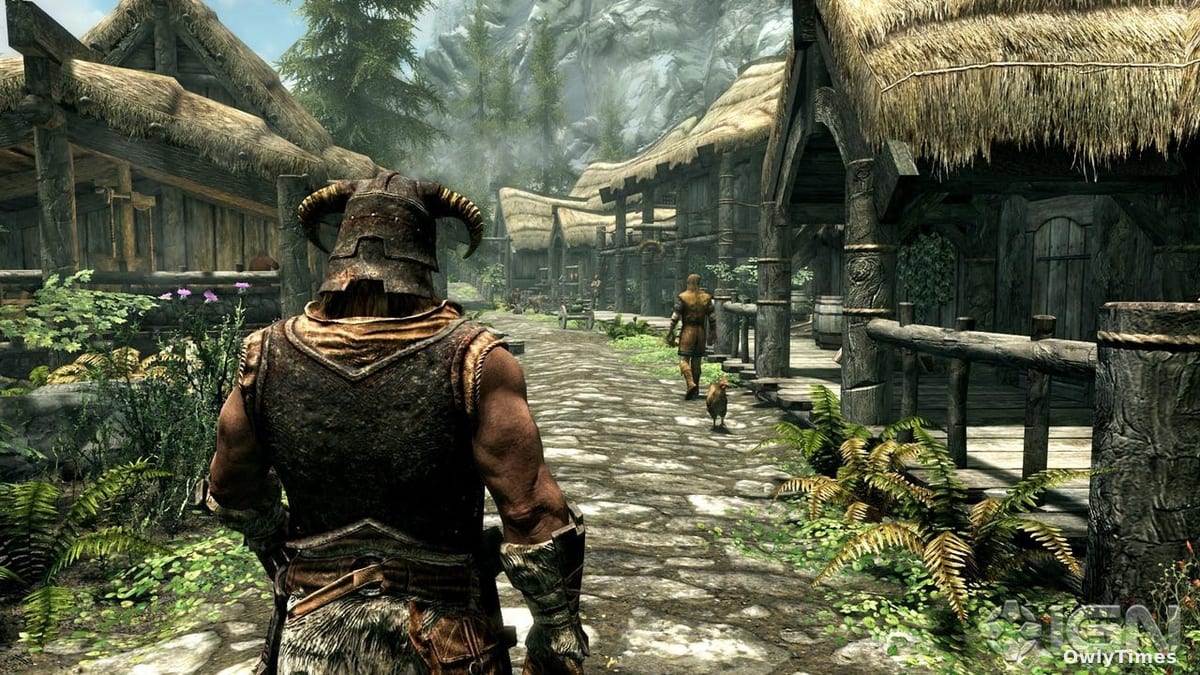
What does a return to “classic style” actually mean? Howard’s description – “exploring a world in a certain way” – is deliberately vague, but the implication is clear: a focus on single-player exploration, compelling narratives, and a world that feels meticulously crafted, not algorithmically generated. This pivot is particularly significant in a gaming landscape increasingly dominated by live-service games and open-world titles prioritizing scale over substance. The industry saw a 15% increase in live-service game revenue in 2024, according to Newzoo, demonstrating a clear trend. Bethesda, however, appears to be doubling down on its strengths – the immersive, character-driven RPGs that built its reputation. The studio isn’t abandoning the lessons learned from Starfield and Fallout 76; they’re refining them, integrating new experiences from fresh faces while retaining the core team that birthed Skyrim. Howard confirmed that “the majority of people who made Skyrim are still here,” a reassuring note for long-time fans.
See the original ign.com story for the full account.
The Engine Underneath It All
The shift isn’t just philosophical; it’s technical. Bethesda has been quietly, and painstakingly, upgrading its Creation Engine. From Creation Engine 2, the foundation of Starfield, they’re now building Creation Engine 3, the powerhouse that will drive The Elder Scrolls 6 and beyond. This isn’t merely a visual upgrade; it’s a complete overhaul designed to address the limitations that plagued previous Bethesda titles – the notorious bugs, the clunky physics, the performance issues. The investment in the engine is substantial, and the fact that the studio is “able to play it” and approaching a “big milestone internally” suggests significant progress. However, the engine’s evolution also highlights the inherent risk of ambition. Starfield served as a proving ground, a beta test for Creation Engine 2, and the lessons learned are undoubtedly informing the development of its successor.
Beyond the Headlines: A Studio at a Crossroads
The real story here isn’t just about a delayed game; it’s about a studio grappling with its legacy and its future. Microsoft’s acquisition of Zenimax Media (Bethesda’s parent company) in 2021 added another layer of complexity. The pressure to deliver a blockbuster title, to justify the $7.5 billion price tag, is immense. Yet, Howard’s insistence on taking “as long as it needs to be great” suggests a willingness to prioritize quality over expediency, a bold move in an industry often driven by quarterly earnings. He even playfully hinted at a “shadow drop,” a surprise release reminiscent of Fallout 4’s reveal, but quickly tempered expectations, reiterating that the game is “still a while yet.” This tension – between the demands of a corporate parent and the artistic vision of the developers – will be crucial to watch.
The question now isn’t when The Elder Scrolls 6 will arrive, but what it will be. Will Bethesda successfully recapture the magic of its past, or will it stumble again, weighed down by its own ambition? The industry, and its millions of devoted fans, are waiting to find out if the “turkey in the oven” will truly be delicious when it finally emerges. And, perhaps more importantly, will this commitment to a “classic style” signal a broader shift within the industry, a renewed appreciation for handcrafted experiences over endless, sprawling open worlds?