
$900 a Month and 100% Occupancy: New Orleans Coworking Market Signals a Shift in Commercial Real Estate
The numbers tell a clear story: demand for flexible workspace in New Orleans is not just rebounding post-pandemic, it’s surging. Domain Cos.’ decision to expand The Shop Workspace – opening a second local location, “The Shop SOMA,” this spring – isn’t simply opportunistic; it’s a calculated response to a market currently operating at 100% occupancy, with a waiting list, according to Hugh Breckenridge, community manager for The Shop at CAC. This expansion, coupled with the recent openings of spaces like Greenhouse Workspace and The Rigs at the Batture, reveals a fundamental reshaping of the city’s commercial real estate landscape.
Based on the original NOLA.com report.
Follow the money, and the trend becomes even more pronounced. Domain Cos., co-founded in 2004 by Matt Schwartz and Chris Papamichael, isn’t just building apartments and condos – they’re strategically investing in the infrastructure that supports a changing workforce. The $6.5 million investment in The Shop SOMA, located within The Standard luxury condominium complex, represents a bet that the hybrid work model is here to stay, and that traditional long-term office leases are losing ground. Nationally, the coworking space market has grown by over 30% since 2022, according to CRE Daily, a figure that dwarfs the growth rate of traditional office space. This isn’t a localized phenomenon; it’s a nationwide recalibration.
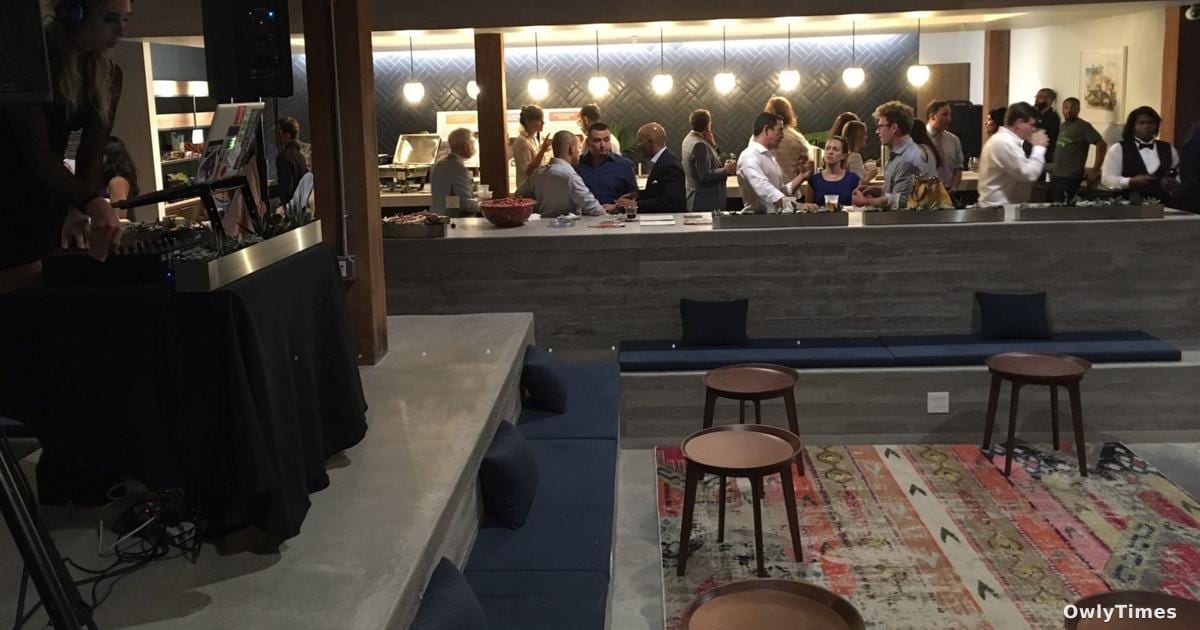
The Shop SOMA will occupy 6,500 square feet, offering 11 private offices (starting at $900/month), 12 dedicated desks ($475-$500/month), and 50 “commons” memberships ($300/month). These price points are consistent with The Shop at CAC, indicating Domain isn’t attempting to undercut the market, but rather capitalize on existing demand. The location itself – on South Rampart Street, adjacent to the Central Business District and surrounded by residential developments – is key. Unlike older office parks, The Shop SOMA is embedded within a mixed-use environment, catering to the “live, work, play” lifestyle increasingly favored by younger professionals. This contrasts sharply with the 40,000 square feet occupied by The Shop at CAC within the Contemporary Arts Center, a location that, while successful, relies more on drawing commuters to a central business district.
This expansion isn’t happening in a vacuum. Ann Olsen, director of coworking at The Shop Workspace, directly attributes the growth to the pandemic, stating, “COVID expanded the use of coworking space and demonstrated the need for more flexibility. Flexibility is not just nice to have; it’s need to have.” However, framing the pandemic solely as a catalyst overlooks a pre-existing trend. Even before 2020, the rise of freelance work, the gig economy, and the increasing desire for work-life balance were already driving demand for alternative workspace solutions. The pandemic simply accelerated this shift, forcing companies to re-evaluate their real estate needs and employees to reassess their work preferences.
Domain Cos.’ broader development portfolio further illustrates this strategic vision. From revitalizing the Tulane Avenue corridor with new apartments to transforming the Barnett building (formerly the Ace Hotel) and spearheading the redevelopment of the former Charity Hospital, the firm consistently focuses on projects that foster vibrant, mixed-use communities. This isn’t simply about building structures; it’s about creating ecosystems where people want to live, work, and connect. The company’s planned expansion to at least two more markets in 2026, with a goal of doubling their total locations, underscores their confidence in the long-term viability of the coworking model.
What this means for your wallet: expect continued upward pressure on flexible workspace costs in New Orleans. While the current pricing structure of The Shop SOMA remains competitive, sustained high demand could lead to increases. More importantly, this trend signals a potential shift in the power dynamic between landlords and tenants. As companies increasingly prioritize flexibility, those offering adaptable workspace solutions – like Domain Cos. – will be in a stronger negotiating position. The question now is whether traditional office landlords will adapt by offering more flexible lease terms and amenities, or risk being left behind in a rapidly evolving market. Watch closely to see if vacancy rates in traditional office buildings begin to rise as companies opt for the agility of coworking spaces like The Shop SOMA.