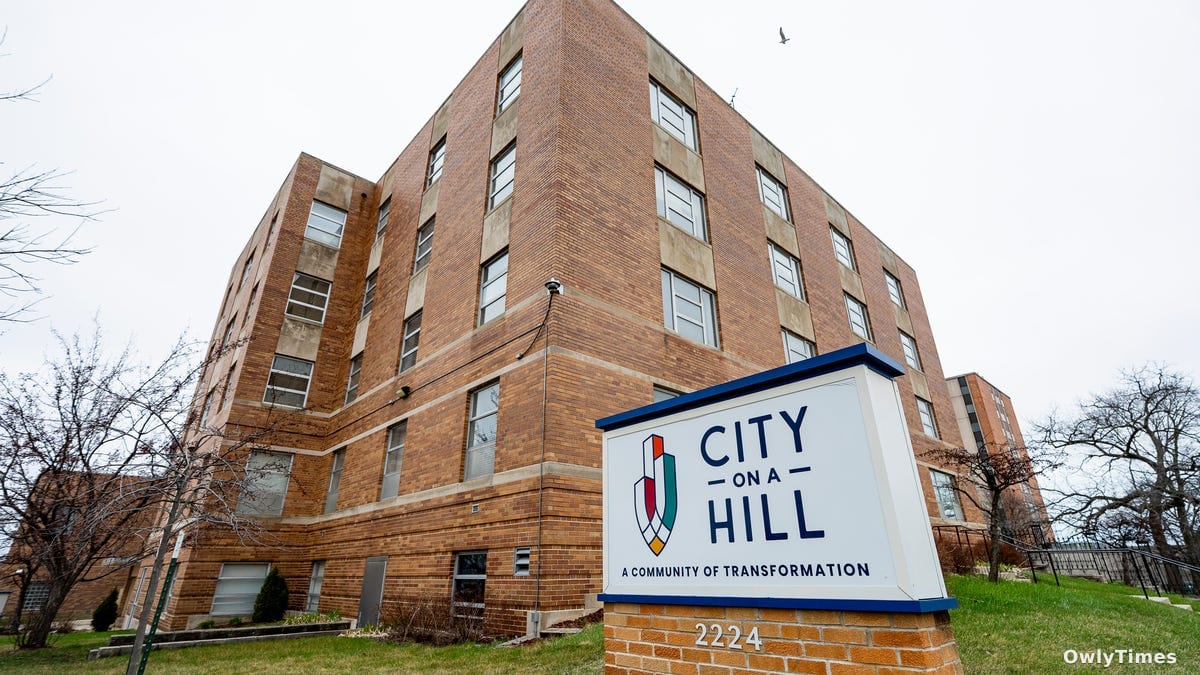

The abrupt closure of City on a Hill has laid bare a systemic fragility that extends far beyond a single facility’s doors. When the clinic locked its doors without a transition plan, thousands of Milwaukee residents were left without access to primary care, mental health support, and even essential food security. While headlines often frame such events as isolated administrative failures, the reality is a rupture in the social fabric that leaves the most vulnerable patients—those managing complex, chronic conditions—to navigate an already strained safety net on their own.
The Immediate Impact of a Fractured Safety Net
In the wake of the closure, the burden of continuity fell to community-based organizations like Health Connections Inc. (HCI) and the Milwaukee Black Grassroots Network for Health Equity (MBGNHE). These groups mobilized to reach out to displaced patients, essentially functioning as an emergency response system. This reactive work is vital, but it highlights a dangerous dependency: when a major pillar of the safety net collapses, the remaining providers lack the buffer to absorb the shock without significant strain.
The data underscores why this is a public health crisis rather than a logistical one. In Milwaukee County, more than one in five adults currently lives with high blood pressure, and in certain neighborhoods, that figure climbs to over half of the adult population managing uncontrolled hypertension. Furthermore, Black men in the area face nearly double the prostate cancer incidence compared to their White neighbors. These statistics represent a population that requires consistent, longitudinal care; when that continuity is severed, the inevitable result is an uptick in avoidable hospitalizations and worsening health outcomes.
Why Responsible Transitions Require More Than Referrals
There is a common misconception that connecting a patient to a new clinic is a simple matter of providing a new address. However, the providers working to reknit the safety net—including Ericka Sinclair and Quinton D. Cotton—emphasize that medical histories are complex and patient trust is earned. A responsible transition requires a clinical review of records, an assessment of coverage, and, most importantly, the dignity of patient choice.
Rushing this process, as often happens in the chaotic aftermath of a sudden closure, risks doing more harm than good. When patients are treated as interchangeable units rather than individuals with specific needs, they are less likely to follow through with new care arrangements. The current effort to stabilize the local landscape is grounded in the belief that healthcare is a right, and that community-based care must extend beyond the clinic’s physical walls.
Limitations to Consider and the Path Forward
It is important to recognize that while the efforts of organizations like HCI and MBGNHE are essential, they are currently operating without the benefit of a centralized, robust infrastructure. The health safety net in Milwaukee was already operating without a financial margin before this closure, facing the combined pressures of workforce shortages and unstable funding models. The loss of City on a Hill during the approach of summer—a time when school-based programs that provide meals and stability traditionally shrink—further exacerbates the local crisis.
The next critical phase for this work involves the development of a Community Care Coordination Command Center. This proposed infrastructure aims to connect various clinics, strengthen their collective capacity, and ensure that patients are never left to navigate the system in isolation. The success of this initiative will serve as a primary indicator of whether Milwaukee can move toward a more stable and equitable healthcare model. The next reading of patient intake metrics and referral completion rates across these community-based clinics will show whether this new coordination model is effectively closing the gap or if the system remains in a state of crisis.





