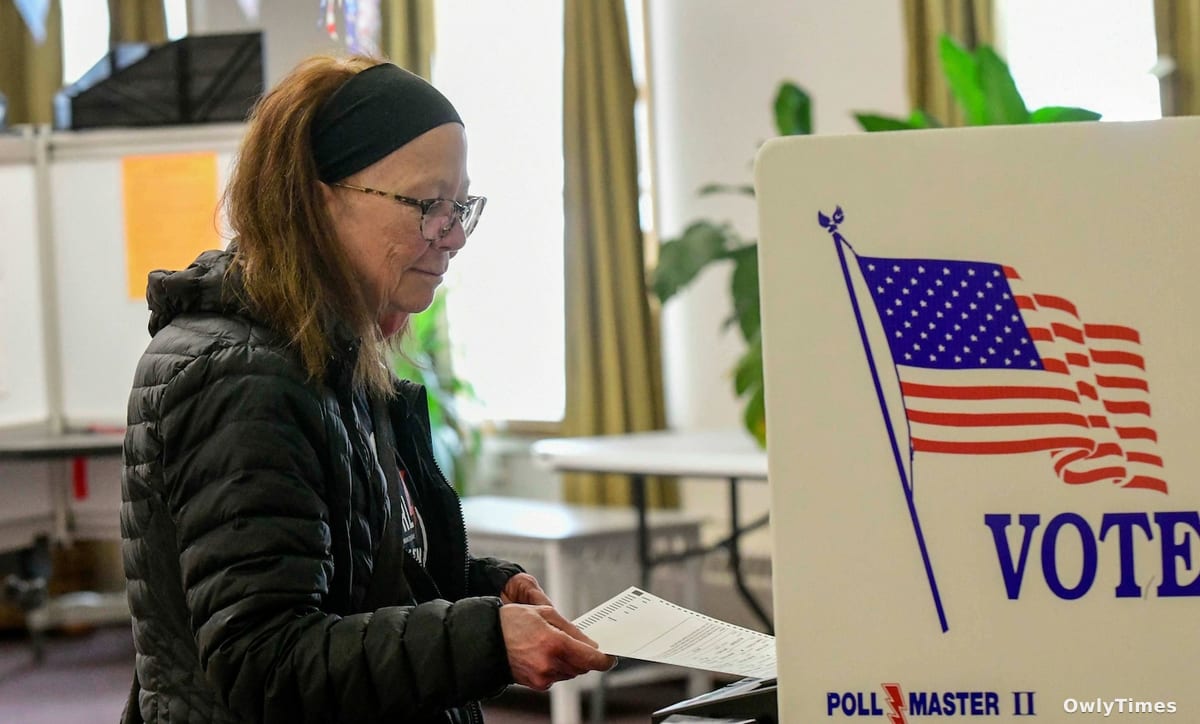

The calculated concession by John Thune – agreeing to consider a bill demanding proof of citizenship for voting while simultaneously declaring its inevitable failure – isn’t about election integrity. It’s about managing a fracturing Republican caucus and preemptively shielding swing-state Senators from a politically toxic vote ahead of the 2026 midterms. The move, announced on March 10, 2026, is a pressure release valve, designed to appease the most vocal elements of the party base without actually enacting legislation that could further alienate moderate voters and invite legal challenges. The image of Kathleen Nutter casting her ballot in Vermont on March 3rd, a state with historically high voter participation and minimal concerns about non-citizen voting, underscores the disconnect between the proposed federal intervention and the realities on the ground.
The Strategic Calculus of a Symbolic Vote
President Trump’s demand for a “talking filibuster” – a prolonged debate intended to force Democrats to publicly defend their opposition – reveals the core strategy: to weaponize the issue of voter eligibility as a rallying cry for his base. This tactic mirrors historical attempts to leverage anxieties about voter fraud, dating back to the 19th-century efforts to disenfranchise newly freed slaves and, more recently, the “birther” movement targeting Barack Obama. The key difference now is the explicit attempt to create a procedural spectacle, forcing vulnerable Democrats to take repeated, highly visible stances on a contentious issue. However, Thune’s assessment – “the votes aren’t there” – isn’t a statement of principle, but a cold calculation of political arithmetic. A failed vote allows Republicans to claim they tried, satisfying the base, while avoiding the backlash of enacting a law likely to be struck down in court and further inflame accusations of voter suppression.
Based on the original The Washington Post report.
Who Benefits and Who Loses from the Debate
The immediate beneficiaries are Senators facing tough re-election battles in states like Pennsylvania, Wisconsin, and Arizona. They can publicly state their support for “election integrity” without having to cast a vote that could be used against them in campaign ads. Trump also benefits, maintaining his narrative of a rigged system and solidifying his control over the party’s messaging. Conversely, Democrats stand to gain by portraying the effort as a transparent attempt at voter suppression, potentially energizing their base and attracting support from civil rights groups. The real losers, however, are the institutions of American democracy. The constant questioning of election legitimacy erodes public trust and fuels political polarization. The Brennan Center for Justice estimates that existing voter ID laws already disenfranchise millions of eligible voters, disproportionately impacting minority and low-income communities; stricter proof-of-citizenship requirements would exacerbate this problem.
Historical Echoes of Disenfranchisement
The current push for proof-of-citizenship requirements isn’t an isolated event. It’s part of a long history of efforts to restrict voting rights in the United States. Following Reconstruction, Southern states implemented poll taxes, literacy tests, and grandfather clauses to effectively disenfranchise African American voters. In the early 20th century, states used registration requirements and other administrative hurdles to suppress immigrant and working-class votes. While these tactics have largely been dismantled through federal legislation and court rulings, the underlying impulse – to control who participates in the democratic process – remains. The current debate echoes the anxieties surrounding the Naturalization Act of 1790, which initially limited voting rights to “free white persons” and demonstrated an early attempt to define citizenship and restrict political participation based on perceived loyalty and social status.
The Limits of Procedural Warfare
Trump’s call for a talking filibuster is unlikely to succeed. The Senate’s rules have been modified over time, making it increasingly difficult to sustain prolonged debates. Moreover, the political cost of forcing a government shutdown or obstructing essential legislation over this issue would likely outweigh any perceived benefits. The last successful talking filibuster was in 2013, led by Rand Paul against Barack Obama’s nomination of John Brennan as CIA director – a comparatively less politically charged issue. The current climate, with a deeply divided Senate and a looming midterm election, makes a similar outcome highly improbable. The real power play isn’t about passing the bill, but about forcing Democrats to expend political capital defending their position.
The Next Chess Move: State-Level Battles
The failure of federal legislation will almost certainly shift the focus to state-level efforts to implement stricter voting requirements. Republican-controlled states are already introducing bills that would require proof of citizenship for voter registration, limit early voting options, and restrict access to absentee ballots. This is where the next critical battles will be fought. The question to watch isn’t whether Thune can deliver a victory in the Senate, but whether state legislatures will succeed in enacting laws that effectively disenfranchise voters and reshape the electoral landscape. Specifically, monitor Arizona’s upcoming legislative session – a state with a history of contentious voting rights debates and a closely divided electorate – for the introduction of legislation mirroring the federal proposal. The outcome there will signal the true extent of the Republican Party’s commitment to this strategy.





