
The chaos of college basketball’s spring free agency period finally hit the wall at 11:59 p.m. this past Tuesday. For months, the sport has functioned like a high-stakes game of musical chairs, but with the transfer portal now officially shuttered, the frantic scramble for rosters has given way to a moment of cold, hard assessment. The landscape of the 2026-27 season is beginning to harden, and the reality is that this year’s portal haul feels slightly thinner than the previous cycle. The industry is holding its breath to see if top-tier free agents like Santa Clara’s Allen Graves or Iowa State’s Milan Momcilovic ultimately commit to the 2026 NBA Draft, a move that would fundamentally shift the competitive balance of the upcoming season.
The Shrinking Talent Pool
Beyond the headlines of headline-grabbing transfers, the broader narrative is one of attrition and adjustment. The 2026 freshman class is noticeably lighter than the 2025 crop, which fundamentally altered the sport’s hierarchy just one year ago. With high-end talent becoming harder to secure, programs have shifted their focus from pure acquisition to aggressive retention. The opportunity cost of losing a proven contributor has never been higher, leading to a landscape where the most successful teams are those that managed to keep their internal infrastructure intact rather than those who simply gambled on the open market.
The Florida Blueprint for Stability
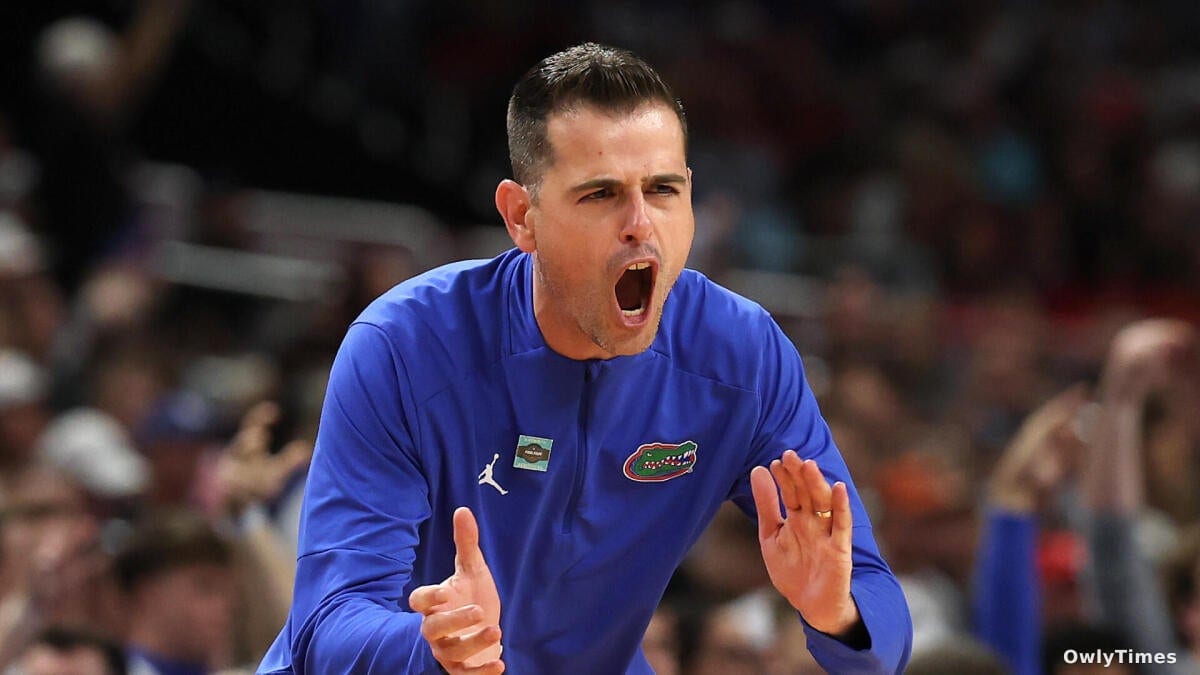
In a climate defined by constant turnover, Florida has achieved the near-impossible. Last year, the SEC saw only one senior—Mississippi State’s Shawn Jones—stay at the same institution for all four years of his career. The Gators are set to defy this trend by returning two four-year seniors in Tommy Haugh and Alex Condon. The chemistry between the two, a big-to-big passing game that has plagued opponents for years, is back for another round. If Rueben Chinyelu chooses to return to Gainesville instead of staying in the NBA Draft, head coach Todd Golden will possess a frontcourt that is arguably the most formidable in the nation. With a core that includes Boogie Fland, Urban Klavzar, Isaiah Brown, CJ Ingram, AJ Brown, and Alex Lloyd, the Gators are positioning themselves as a legitimate preseason No. 1.
The High Cost of Market Volatility
Not every program has found success in this new, expensive reality. Wake Forest and Notre Dame find themselves on the wrong side of the divide. Wake Forest coach Steve Forbes has been forced into a total rebuild after losing his top two players, Juke Harris and Myles Colvin, to the portal, while simultaneously watching a prime recruit, Quentin Coleman, get poached by Illinois. Similarly, Notre Dame has struggled to keep pace with the financial demands of modern roster-building. After losing Jalen Haralson, Cole Certa, and Markus Burton, the Fighting Irish are now forced to play "Moneyball," relying on transfers like Braeden Smith, Ethan Roberts, and Logan Duncomb to fill voids left by players the school could not afford to retain.
The Path Forward
The industry is currently caught in a transition where the old rules of recruiting no longer apply, and the new rules are dictated by whoever can best navigate the intersection of NIL, retention, and scouting. While Illinois has solidified its elite status by retaining five rotation players from a Final Four squad and Texas has successfully reloaded with four high-impact portal additions, the story of the next few months will be defined by the final decisions of those currently testing their professional value. The next reading of the NBA Draft entry list will dictate whether the current power rankings hold firm or if the landscape of the 2026-27 season is set for one final, seismic shift.

