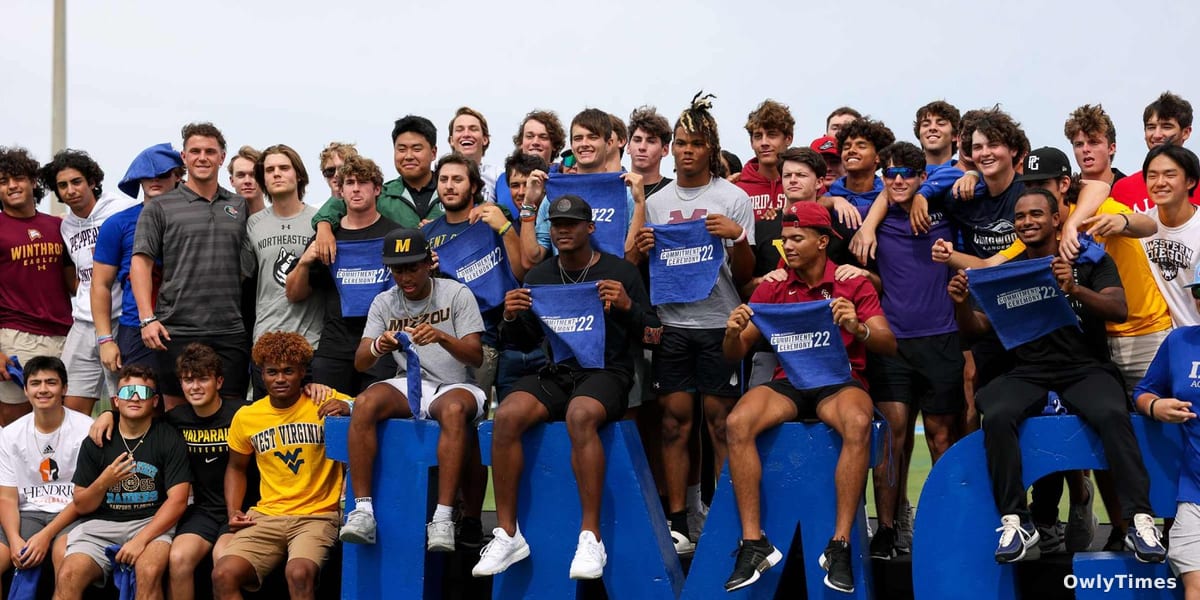

The fluorescent lights of a Florida high school gymnasium hummed, casting a sterile glow on a packed bleacher section. It wasn’t a championship game, but a college recruitment showcase – a scene playing out in hundreds of gyms across the country every weekend. But this time, a quiet anxiety hung in the air, thicker than the scent of polished wood and teenage ambition. Parents weren’t just assessing talent; they were calculating odds, weighing the cost of another year of high school, and wondering if their child’s dream of college athletics was shrinking with every roster spot filled by a transfer portal veteran. A new survey from IMG Academy reveals this isn’t paranoia, but a rapidly evolving reality driving decisions for families nationwide.
The Roster Crunch: Why Playing Matters More Than Paydays
The narrative around the future of college sports has been dominated by Name, Image, and Likeness (NIL) deals and the debate over whether student-athletes should be considered employees. Headlines scream about multi-million dollar contracts and landmark legal battles. But according to the IMG Academy survey of over 1,650 youth sports families, 83% believe the top priority for the NCAA should be expanding roster opportunities for high school athletes. Only 14% prioritized compensation, and a mere 4% focused on employee classification. This isn’t a dismissal of those issues, but a stark indication that for the vast majority of families, simply getting a spot on a team is the primary concern. The current focus on a select few benefiting from NIL deals feels increasingly detached from the experience of the 75 million students involved in youth sports, as IMG Academy points out.
See the original imgacademy.com story for the full account.
This disconnect is already altering family behavior. Nearly 23% of families are now considering options like reclassifying or taking a post-graduate year – essentially repeating a grade – to boost their child’s chances of making a roster. The numbers are even more striking for families with aspirations of Power Five football or basketball: 36% are contemplating extending high school, compared to just 15% for those pursuing opportunities outside those elite programs. This isn’t about developing talent; it’s about navigating a shrinking pool of available spots. The pressure to artificially extend a child’s athletic prime speaks volumes about the perceived scarcity of opportunity.
Beyond the Headlines: A System Prioritizing Existing Athletes
The survey doesn’t just identify a concern; it subtly points to a systemic problem. The changes sweeping college athletics – roster caps, the decline of JV and developmental teams, program eliminations, and the prioritization of transfer portal players over incoming freshmen – are collectively squeezing out opportunities for high school athletes. Coaches, understandably focused on immediate competitiveness, are increasingly turning to experienced college players rather than developing raw talent. The new eligibility rules allowing athletes to stay in college longer further exacerbate the issue, effectively blocking the path for the next generation. IMG Academy frames this as unintended consequences of groups acting in their own best interest, but the result is a bottleneck that disproportionately impacts aspiring college athletes.
The data reveals a consistent pattern across competitive levels. Even families not targeting major conference programs overwhelmingly prioritize roster expansion (85%) over compensation (12%) or employee status (3%). This suggests the concern isn’t limited to elite athletes; it’s a widespread anxiety about access to college athletics at all levels. It’s a fundamental shift in the landscape, where the dream of playing college sports is becoming increasingly exclusive, not because of a lack of talent, but because of a lack of space.
The #AddMoreAthletes Movement and a Call for Balance
IMG Academy isn’t simply highlighting the problem; they’re actively advocating for a solution through their #AddMoreAthletes initiative. The organization is working with universities, policymakers, and college athletic leaders to explore ways to expand participation opportunities, particularly in women’s and men’s Olympic sports. This isn’t about diminishing the importance of NIL or athlete compensation, but about recognizing that those advancements shouldn’t come at the expense of access. The current trajectory suggests a zero-sum game – that financial realities for a few will continue to limit opportunities for many.
The survey serves as a powerful reminder that the future of college sports isn’t solely determined by television contracts and legal rulings. It’s shaped by the hopes and anxieties of millions of families who invest time, money, and emotional energy into their children’s athletic pursuits. As the NCAA continues to navigate this period of unprecedented change, will they listen to the voices of those who are most directly affected? The question isn’t just about fairness; it’s about the long-term health and sustainability of college athletics itself. Will the NCAA prioritize expanding the pie, or continue to fight over shrinking slices? The answer will define the future of the game for a generation of athletes and their families.