
The Power Play in Virginia: Weaponizing the US Attorney Role
The immediate firing of James Hundley by Deputy Attorney General Todd Blanche – delivered via social media, no less – isn’t about legal procedure; it’s a raw demonstration of power, and a deliberate escalation in the ongoing battle over the politicization of the Justice Department. The strategic calculus is clear: the administration isn’t conceding the authority to appoint US Attorneys, despite a federal court ruling to the contrary. This isn’t a dispute over qualifications, but a claim to unilateral control over prosecutorial power, a control Donald Trump attempted to exert throughout his first term and is now attempting to reassert. The speed and public nature of the dismissal signal a willingness to openly defy judicial rulings when they conflict with the administration’s political objectives.
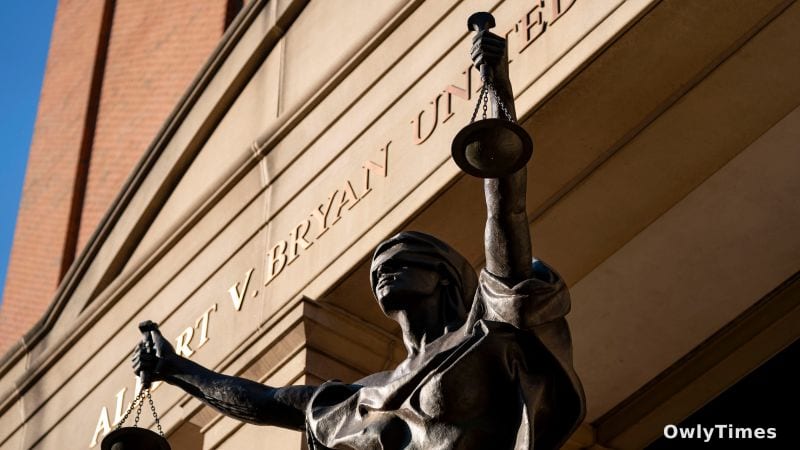
The situation in the Eastern District of Virginia (EDVA) is particularly sensitive. The EDVA is a crucial jurisdiction, handling cases with national implications, and its US Attorney wields significant influence. Lindsey Halligan’s appointment, and subsequent attempts to prosecute James Comey and Letitia James, were widely viewed as retaliatory measures, designed to undermine perceived enemies of Trump. Halligan, a Florida insurance lawyer with no prior prosecutorial experience, was explicitly chosen for her loyalty, not her legal acumen. When Judge Cameron McGowan Currie ruled in November that the EDVA judges, not the executive branch, held the power to appoint an interim US Attorney until a Senate-confirmed nominee was in place, it was seen as a check on executive overreach. The judges’ unanimous appointment of Hundley, a seasoned Virginia defense attorney, was an attempt to restore a degree of independence to the office.
Source material: CNN.
Who benefits and who loses here is starkly defined. Trump and his allies benefit from having a loyalist in place who can potentially shield them from legal scrutiny. The administration benefits from establishing a precedent that allows it to disregard judicial rulings it dislikes. Hundley loses his brief opportunity to lead the EDVA. More broadly, the rule of law loses, as the principle of judicial independence is directly challenged. The public loses trust in the impartiality of the Justice Department. The timing is also critical; with the 2024 election looming, the ability to control investigations and prosecutions is a potent political weapon. The administration’s willingness to openly flout the court’s decision suggests a belief that the political benefits outweigh the legal risks.
This isn’t an isolated incident. It echoes historical precedents where presidents have attempted to use the Justice Department for political ends. The “Saturday Night Massacre” during the Nixon administration, where Nixon attempted to fire Special Prosecutor Archibald Cox, is a particularly relevant parallel. While the circumstances differ, the underlying principle is the same: a president attempting to control an investigation that threatens his political interests. More recently, accusations of politicization plagued the Obama and Trump administrations alike, though the current situation is unique in its brazen defiance of a court order. The difference now is the method of communication – a direct, public dismissal via social media – which underscores the administration’s contempt for established norms.
The Justice Department’s silence, as reported by CNN, is telling. A lack of public defense of the court’s ruling suggests internal divisions or a tacit acceptance of the administration’s position. The question now isn’t whether the administration will attempt to appoint another loyalist, but how they will attempt to circumvent the court’s authority. Will they challenge the ruling directly in a higher court, or will they attempt to find a legal loophole? The next political chess move to watch is whether the administration nominates a candidate for the EDVA US Attorney position, knowing full well that the Senate confirmation process will likely be protracted and contentious, effectively allowing them to maintain control through an interim appointee of their choosing.





