
The Calculus of Congressional Discipline: A Double Standard Emerges
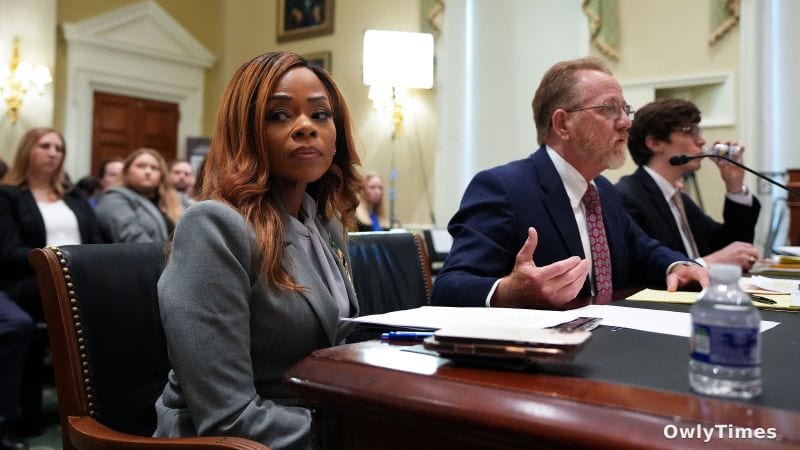
The House Ethics Committee’s public hearing with Sheila Cherfilus-McCormick isn’t about guilt or innocence – at least, not yet. It’s about power. Specifically, the power to define the boundaries of acceptable conduct for elected officials, and the strategic calculation of when and how to enforce those boundaries. The allegations against Cherfilus-McCormick – that she diverted $5 million in FEMA funds, intended for pandemic relief, to her 2021 campaign – are serious, but the timing of this inquiry, and the Democrats’ tepid response, reveals a calculated risk assessment. The question isn’t simply whether she broke the law, but whether disciplining her serves or hinders the party’s broader political objectives.
The core of the matter is the alleged misappropriation of funds from Trinity Healthcare Services, a company linked to Cherfilus-McCormick’s family, which received overpayments from FEMA related to Covid-19 vaccination staffing contracts. Prosecutors contend these funds were then funneled into her campaign. This isn’t a victimless crime; it’s a direct transfer of resources intended for public health initiatives into a political contest. The Office of Congressional Ethics previously flagged a dramatic increase in Cherfilus-McCormick’s income in 2021 – a $6 million jump largely attributed to fees from Trinity – a detail that underscores the scale of the alleged financial maneuver. Who benefits and who loses here is stark: taxpayers lose, legitimate healthcare providers lose, and the integrity of the electoral process is diminished.
Reporting from CNN informs this analysis.
This case immediately evokes the recent expulsion of George Santos, a Republican whose campaign was plagued by accusations of fraud and fabrication. The contrast in Democratic eagerness to remove Santos versus their current circumspection regarding Cherfilus-McCormick is not accidental. The Democrats, aiming to regain control of the House, aggressively pursued Santos’ ouster, framing it as a moral imperative and a demonstration of their commitment to ethical governance. Now, facing similar allegations against one of their own, they are adopting a markedly more cautious approach. Hakeem Jeffries’ curt “Next question” when asked about potential expulsion speaks volumes. This isn’t hypocrisy, necessarily, but a pragmatic assessment of the political cost-benefit analysis.
The argument from Cherfilus-McCormick’s attorney, William Barzee, that the Ethics Committee’s investigation could prejudice a fair trial is a standard legal tactic, but it highlights a fundamental tension. The House operates under different rules than a court of law, as Brad Knott pointed out, and its disciplinary process is distinct from criminal adjudication. However, the public perception of guilt – fueled by the committee’s proceedings – will inevitably influence the jury pool in the ongoing Justice Department case. This raises the question of whether the committee is prioritizing political expediency over protecting the congresswoman’s due process rights. Mark DeSaulnier’s acknowledgement of the “serious” allegations and their impact on public trust underscores the institutional stakes, but doesn’t address the inherent conflict.
Mike Johnson’s statement that expulsion is the “political death penalty” and requires careful consideration is a measured response, but his subsequent suggestion that the alleged violations “would be a harsh penalty necessary” hints at a willingness to support expulsion if the committee recommends it. The real test, however, will be whether House Democrats follow suit. Their current reluctance, masked by appeals to due process and a desire to allow Cherfilus-McCormick to defend herself, is a clear indication that they are weighing the political fallout of potentially losing another seat, particularly given their narrow majority. The historical precedent here is the numerous instances where Congress has deferred judgment on members facing legal challenges, often until a verdict is reached, to avoid the appearance of political interference.
The political chess move to watch next isn’t the outcome of the Justice Department’s case, but the House Ethics Committee’s recommendation. Will they issue a scathing report calling for expulsion, forcing Democrats to either defend an alleged fraudster or risk accusations of a double standard? Or will they offer a more lenient assessment, effectively shielding Cherfilus-McCormick from significant consequences? The answer will reveal not only the fate of one congresswoman, but the true value the 118th Congress places on its own professed ethical standards.





