
The Unraveling of the “Endangerment Finding”: A Seismic Shift in US Climate Policy
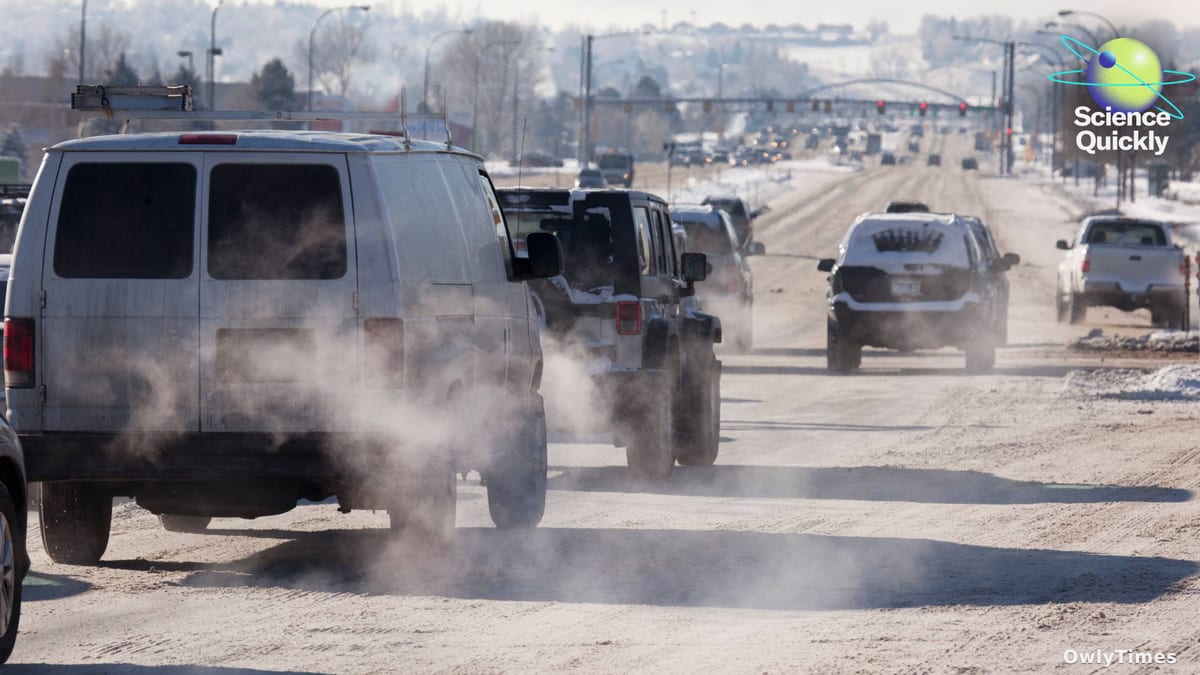
The Trump administration’s formal rescission of the “endangerment finding” – a cornerstone of US federal climate policy since 2009 – isn’t simply a rollback of regulations; it’s a fundamental dismantling of the legal and scientific basis for regulating greenhouse gas emissions. As President Trump stated in a recent press briefing, the policy was deemed “disastrous” for the American auto industry. However, the significance extends far beyond the automotive sector, signaling a broader retreat from acknowledging the demonstrable link between human activity and climate change, and potentially unraveling decades of environmental legislation. This move, while framed as economic relief, represents a calculated risk with potentially devastating long-term consequences for both the environment and the nation’s standing on the global stage.
Drawn from scientificamerican.com.
Background & Context: From Lawsuit to Landmark Ruling
To understand the magnitude of this decision, it’s crucial to revisit the origins of the endangerment finding. The story begins with the Clean Air Act of 1970, which empowered the Environmental Protection Agency (EPA) to regulate air pollutants impacting public health. However, the application of this act to greenhouse gases wasn’t straightforward. It required a definitive determination that these gases were indeed pollutants. This determination didn’t come from the EPA proactively, but rather from a 2007 Supreme Court case, Massachusetts v. EPA. Initiated by a lawsuit brought by environmental groups and several states, the court ruled that greenhouse gases do qualify as “air pollutants” under the Clean Air Act.
This ruling compelled the EPA to conduct a scientific assessment, culminating in the 2009 endangerment finding. This finding officially established that greenhouse gases – primarily carbon dioxide and methane – pose a threat to human health and welfare. It became the legal justification for subsequent regulations, particularly those targeting emissions from vehicles. The Trump administration’s decision to rescind this finding isn’t merely a policy change; it’s an attempt to circumvent a Supreme Court ruling and redefine the EPA’s authority, effectively severing the legal link between emissions and regulation. This represents a significant shift from the precedent set by both the legislative and judicial branches.
The Ripple Effects: Beyond Cars and Trucks
While the immediate impact of rescinding the endangerment finding focuses on regulations for cars and trucks, Andrea Thompson, senior desk editor for Scientific American, rightly points out the potential for broader “knock-on effects.” The endangerment finding served as a foundation for regulating greenhouse gases across multiple sectors, including industry. By undermining this foundation, the administration opens the door to challenges to existing regulations and weakens the EPA’s ability to address emissions from other sources.
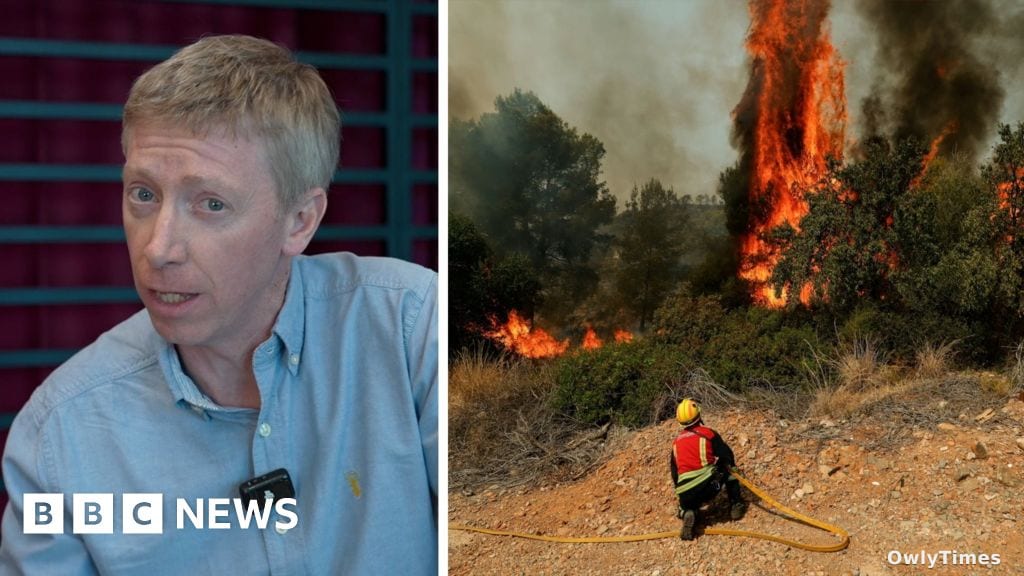
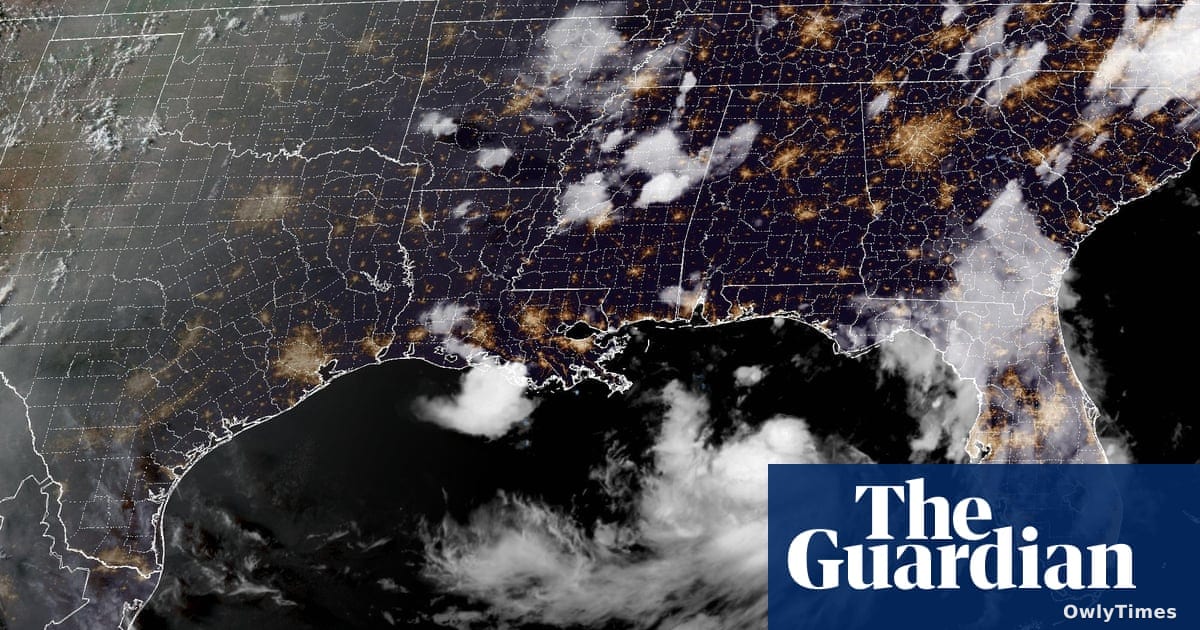
The United States, as the largest historical emitter of greenhouse gases, carries a particular responsibility to lead on climate action. This rollback directly contradicts that responsibility. The consequences aren’t confined to US borders; increased emissions contribute to a global problem, exacerbating the impacts of climate change worldwide – from more frequent and intense wildfires and floods to increasingly severe heat waves. The timing is particularly stark, as highlighted by the contrasting weather patterns currently gripping the nation: frigid temperatures in the East juxtaposed with record warmth in the West, a chaotic illustration of a climate system in disarray.
What This Means: Stakeholders and Implications
The implications of this decision are far-reaching. For the public, it means a likely increase in greenhouse gas emissions and a faster rate of climate change, leading to more frequent and severe weather events. For the automotive industry, the short-term relief from regulations may be offset by long-term risks associated with a changing climate, including disruptions to supply chains and increased costs related to climate-related disasters. Environmental groups face an uphill battle in defending existing regulations and advocating for new ones.
Perhaps most significantly, this move undermines international efforts to combat climate change. The US’s withdrawal from the Paris Agreement already signaled a diminished commitment, and the rescission of the endangerment finding further isolates the nation on the global stage. It also creates a dangerous precedent, potentially encouraging other countries to weaken their own climate policies. The long-term economic costs of inaction on climate change – including damage to infrastructure, loss of agricultural productivity, and increased healthcare expenses – far outweigh any perceived short-term economic benefits.
Looking Ahead: A Future of Uncertainty and Litigation
The rescission of the endangerment finding is almost certain to face legal challenges. Environmental groups are already preparing to sue, arguing that the administration is exceeding its authority and violating the Clean Air Act. The outcome of these legal battles will be critical in determining the future of US climate policy. Beyond the legal arena, it’s crucial to monitor the EPA’s actions in the coming months. Will the agency actively dismantle other climate regulations built upon the endangerment finding? Will Congress attempt to codify the finding into law, providing a more durable legal basis for climate action?
Furthermore, the increasing frequency of extreme weather events – and the growing public awareness of climate change – may create political pressure for stronger action. The irony of experiencing record-breaking weather while simultaneously dismantling climate safeguards is not lost on many. The future remains uncertain, but one thing is clear: the fight over climate policy in the United States is far from over. The unraveling of the endangerment finding is not an endpoint, but rather a new and dangerous chapter in a long-running struggle.