
The Calculus of De-escalation: Trump’s Signals and the Shifting Sands of the US-Iran Conflict
The flurry of activity surrounding the US-Israel conflict with Iran isn’t simply about military objectives; it’s a carefully calibrated exercise in signaling, designed to create conditions for a negotiated exit – specifically, one favorable to Donald Trump’s political positioning. The President’s post on Truth Social, stating they are “getting very close to meeting our objectives” and hinting at a potential “winding down” of operations, isn’t a spontaneous declaration. It’s a preemptive claim of success, intended to shape the narrative before any formal de-escalation occurs. This move serves multiple purposes: it allows Trump to project strength, fulfill campaign promises regarding Iran, and potentially avoid a protracted and costly conflict as the US election cycle intensifies.
The temporary easing of sanctions on Iranian oil shipments – the third such waiver in two weeks – is not a humanitarian gesture. It’s a pressure release valve, designed to stabilize global oil markets and mitigate the economic fallout of a disrupted Strait of Hormuz. The fact that the US is repeatedly resorting to this measure underscores the limitations of its military leverage. While military strikes demonstrate resolve, they also carry the risk of escalating prices and triggering wider regional instability. Who benefits? Primarily, global economies reliant on stable oil supplies, and, indirectly, Trump himself, by avoiding a recessionary shock before the election. Who loses? Hardliners within the US and Israel who advocate for regime change in Iran, and those who believe maximal pressure is the only viable strategy.
Reporting from The Guardian informs this analysis.
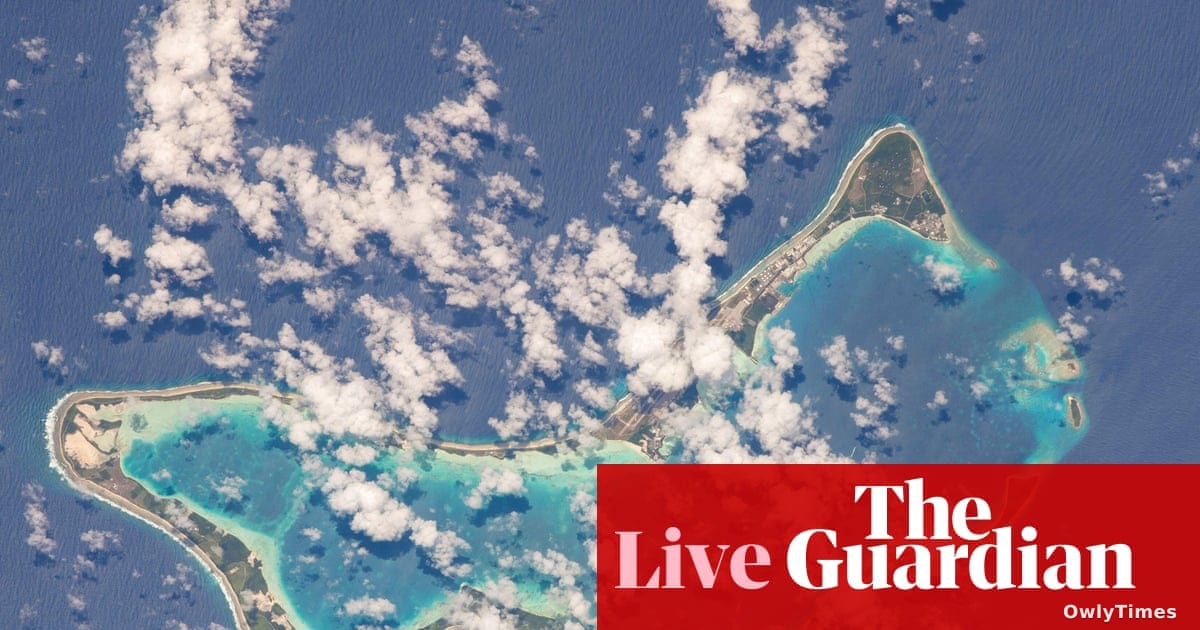
The failed Iranian missile strikes on Diego Garcia, a joint US-UK military base, reveal a critical asymmetry in capabilities. While Iran demonstrably possesses the will to strike back at US assets, its ability to do so effectively is limited. The interception of one missile and the failure of another highlight the technological superiority of the US and its allies. This isn’t to dismiss the threat posed by Iran – the attempted strikes are a clear signal of escalation – but it does contextualize the power dynamics at play. The parallel to the 1988 “Tanker War” in the Persian Gulf is striking. Then, as now, the US sought to protect shipping lanes while avoiding direct confrontation with Iran. The difference is the sophistication of Iran’s missile technology and the broader geopolitical context.
Iran’s warning to the United Arab Emirates regarding attacks launched from its territory, and its offer to assist Japanese ships through the Strait of Hormuz – contingent on coordination with Tehran – are both attempts to reassert regional influence and establish a new security architecture. These moves are designed to signal that Iran is not isolated and that it can offer security guarantees to its neighbors, albeit on its own terms. The willingness to engage with Japan, a key US ally, is a calculated attempt to create fissures within the US-led coalition. This echoes the tactics employed by the Soviet Union during the Cold War, seeking to exploit divisions within the Western bloc. The fact that Trump expressed “surprise” at Australia’s lack of naval deployment underscores the strain on traditional alliances and the US President’s willingness to publicly pressure allies to fall in line.
The escalating attacks on Saudi Arabia and Kuwait, coupled with Iran’s threats against “recreational and tourist sites worldwide,” represent a dangerous broadening of the conflict’s scope. These actions are intended to raise the stakes and deter further intervention. However, they also risk alienating potential international support and further isolating Iran. The IAEA’s call for “military restraint” is a tacit acknowledgement of the growing risk of a catastrophic accident involving Iran’s nuclear facilities. The situation is reminiscent of the Cuban Missile Crisis, where miscalculation and escalation could have led to nuclear war. The key difference is the proliferation of actors and the complexity of the regional dynamics.
The political chess move to watch next isn’t a military operation, but a diplomatic one. Will Trump leverage the perceived “success” of the initial strikes to initiate direct talks with Iran, potentially through intermediaries like Oman or Switzerland? Or will he double down on pressure, risking a further escalation that could spiral out of control? The answer will likely hinge on domestic political considerations and the evolving dynamics of the US presidential campaign. The timing of the sanctions waivers, coupled with Trump’s public statements, suggests a preference for the former. But the unpredictable nature of this administration means that any outcome remains possible.





