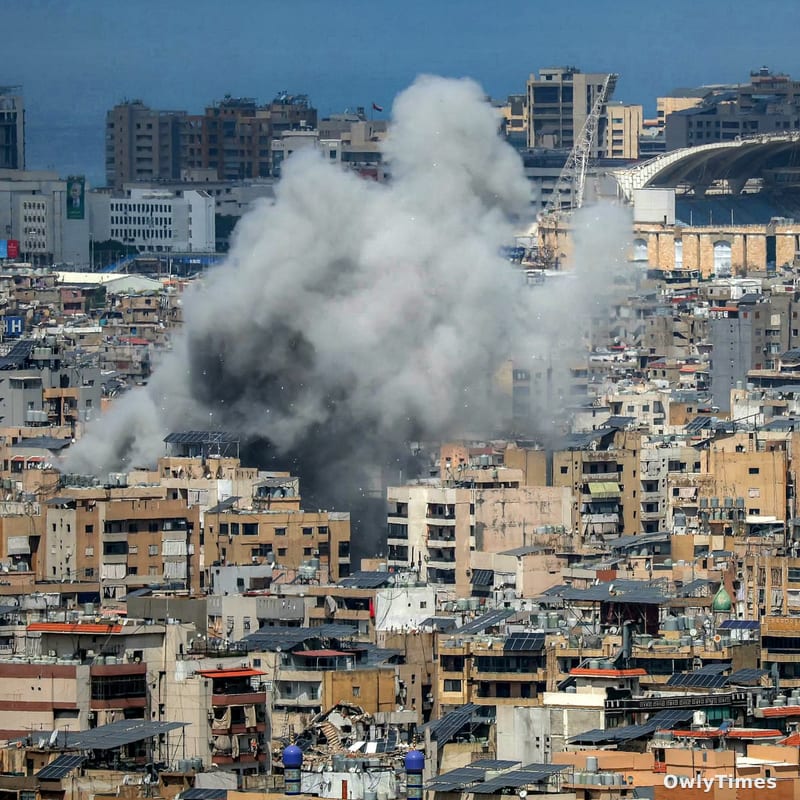

The escalating rhetoric surrounding Iran, punctuated by Donald Trump’s explicit threats of military action, isn’t impulsive venting – it’s a calculated gamble to reassert leverage in a negotiation that, by all accounts, is faltering. The expletive-laden social media post threatening to “wipe out” Iranian power plants and bridges wasn’t a deviation from policy, but a deliberate escalation designed to fracture Iranian resolve and force a return to the negotiating table on terms more favorable to the US. This tactic, while drawing condemnation from figures like Chuck Schumer, who labeled the President’s statements “ranting like an unhinged madman,” is a familiar playbook in coercive diplomacy.
The immediate fallout is predictable: Iranian parliament speaker’s warning of a regional conflagration, mirroring the “whole region is going to burn” pronouncements that often accompany such brinkmanship. But the core strategic calculation isn’t about wanting a war, but about convincing Iran that the alternative – continued economic pressure and the credible threat of military force – is far worse. Who benefits and who loses here is starkly defined. The US aims to secure concessions on nuclear enrichment and regional influence, while Iran risks further economic isolation and potential military strikes. Allies, however, are caught in the crossfire, forced to navigate a volatile situation and publicly distance themselves from the President’s inflammatory language.
Reporting from The Guardian informs this analysis.
This approach echoes historical precedents, most notably the Cuban Missile Crisis. While the stakes are different, the underlying principle is the same: pushing an adversary to the brink to extract concessions. John F. Kennedy’s calculated risk of a naval blockade, coupled with firm but private communication, ultimately forced the Soviet Union to remove its missiles from Cuba. Trump’s approach, however, is notably lacking in the subtlety and backchannel diplomacy that characterized Kennedy’s strategy. Instead, it relies on public intimidation, a tactic that can easily spiral out of control. The difference is that Kennedy’s brinkmanship was coupled with a clear off-ramp; Trump’s current posture offers a less defined path to de-escalation.
Meanwhile, 39,000 miles from Earth, the Artemis II mission has entered the moon’s “sphere of influence.” This isn’t merely a scientific endeavor; it’s a demonstration of American technological prowess and a symbolic assertion of leadership in space. While the immediate focus is on the historic flyby and the potential for record-breaking distance from Earth, the long-term implications are geopolitical. The renewed lunar race, fueled by both national ambition and private investment, is a direct challenge to China’s growing space program. The promise of views of the moon’s far side, inaccessible to the Apollo astronauts, is a compelling narrative, but the underlying message is clear: the US is back in the space race, and intends to lead.
The contrast between the aggressive posturing towards Iran and the aspirational narrative of Artemis II highlights a fundamental tension in US foreign policy. One is rooted in short-term tactical gains through coercion, the other in long-term strategic competition through innovation and collaboration. This duality is further complicated by domestic concerns, such as the recent legal defeat for Meta over child safety on its platforms and the protests against the border wall in Big Bend, Texas. These seemingly disparate events all point to a growing public distrust of institutions – both governmental and corporate – and a demand for greater accountability.
Adding another layer of complexity, the proposed deployment of satellite mirrors by Reflect Orbital and the expansion of SpaceX’s satellite network are raising concerns among scientists about the potential disruption of sleep patterns and ecosystems. The FCC’s consideration of these plans underscores a broader issue: the lack of international regulation governing the rapidly expanding commercialization of space. Altering the light-dark cycle, as experts warn, could have cascading effects on biological systems, impacting everything from human health to marine life. This is a classic case of technological advancement outpacing our understanding of its potential consequences.
The political chess move to watch next isn’t whether Trump will follow through on his threats against Iran – the more likely scenario is continued escalation of rhetoric coupled with limited, targeted actions. Instead, the critical development will be the response from Congress. Will lawmakers, even within the President’s own party, attempt to rein in his more impulsive tendencies? Or will they allow the situation to drift towards a potentially catastrophic confrontation? The answer to that question will determine not only the fate of US-Iran relations, but also the future of American foreign policy.





