
The escalating rhetoric surrounding the conflict between the US and Iran isn’t simply a series of impulsive threats; it’s a calculated pressure campaign designed to force a negotiation on terms overwhelmingly favorable to Washington and, critically, to Benjamin Netanyahu’s government in Israel. Donald Trump’s expletive-laden ultimatum – the demand that Iran reopen the Strait of Hormuz by Tuesday night or face the destruction of its power plants and bridges – isn’t a departure from strategy, but a deliberate escalation of it. The repeated shifting of deadlines, the public boasting of potential “deals,” and the explicit targeting of civilian infrastructure all point to a strategy of coercive diplomacy bordering on outright blackmail.
The immediate trigger for this latest outburst was the recovery of the second crew member from the downed F-15E fighter jet, a detail that, while presented as a humanitarian success, simultaneously underscores the vulnerability of US military assets and the cost of continued conflict. The images released by Iran of the aircraft wreckage serve a dual purpose: demonstrating capability and signaling a willingness to escalate should the pressure become unbearable. However, the core issue isn’t the downed jet, but control of the Strait of Hormuz, a vital artery for global oil supplies. Iran’s ability to disrupt shipping through the waterway provides its strongest leverage, and the US is attempting to break that hold through a combination of military threats and economic pressure. The price of oil has already responded, shooting upwards as the risk of disruption increases – a consequence the US appears willing to accept, at least temporarily, to achieve its objectives.
This piece references the The Guardian report.
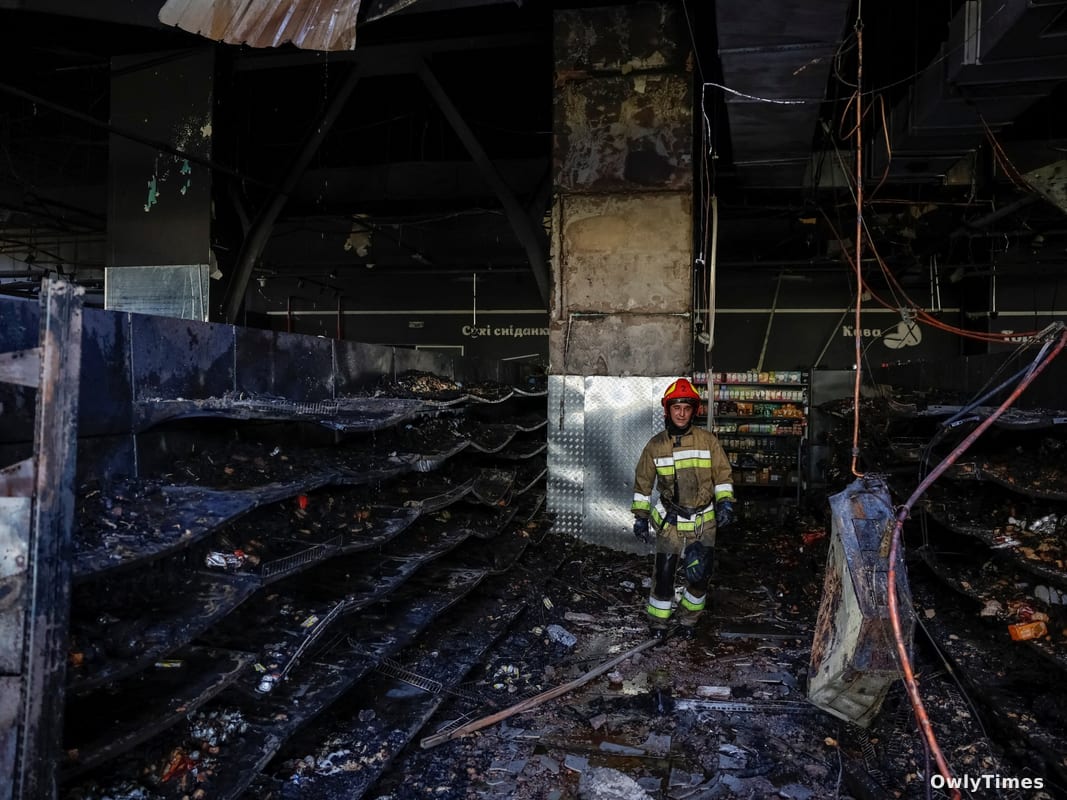
This tactic of threatening civilian infrastructure isn’t new. The destruction of the B1 suspension bridge outside Tehran, a $400 million engineering project, wasn’t a random act of violence. Trump himself admitted to Axios that he authorized the strike after negotiations stalled, explicitly using it as a demonstration of force. This echoes historical precedents, most notably the deliberate bombing of infrastructure during World War II, intended to cripple enemy economies and break civilian morale. However, the legal implications are stark. Oona A Hathaway of Yale University rightly points out that such attacks, absent a clear justification under international law, constitute war crimes. The fact that Iran has retaliated by striking economic infrastructure in Bahrain and Kuwait, while also unlawful, demonstrates a tit-for-tat escalation that risks spiraling out of control. Who benefits and who loses here is clear: Iran’s economy and civilian population bear the immediate costs, while the US and Israel aim to secure regional dominance and a favorable energy policy.
The response from Mohammad-Bagher Ghalibaf, the speaker of the Iranian parliament, accusing Trump of acting on Netanyahu’s commands, highlights a crucial power dynamic. Iran views this conflict not as a bilateral dispute with the US, but as a proxy war orchestrated by Israel. This perception is fueled by Israel’s confirmed attacks on Iranian petrochemical plants and its claim of destroying 70% of Iran’s steel production, ostensibly to hinder missile development. The criticism from within the US, exemplified by Chuck Schumer’s condemnation of Trump’s “unhinged” social media posts, reveals a growing unease within the American political establishment regarding the President’s erratic behavior and disregard for international norms. This internal division within the US weakens its position and potentially creates opportunities for Iran to exploit.
The repeated claims by Trump that Iran “wants to make a deal” are a carefully constructed narrative. While Iranian officials acknowledge back-channel communications, they vehemently deny entering into formal peace talks, fearing a trap. The anxieties of Iranian officials about their safety during potential negotiations, as relayed by diplomatic intermediaries, underscore the deep distrust and the high stakes involved. The destruction of the B1 bridge, a symbol of Iranian self-sufficiency, resonated deeply within the country, as one engineer stated it was an attack on “Iran’s pride.” This emotional dimension cannot be ignored; it strengthens the resolve of hardliners and complicates any potential for compromise.
The political chess move to watch next isn’t whether Trump follows through on his threat to attack Iranian infrastructure on Tuesday night. It’s whether he can leverage the current pressure to secure a meeting with Iranian representatives – not on neutral ground, but under conditions dictated by the US and Israel. The question isn’t simply about reopening the Strait of Hormuz, but about establishing a long-term framework for regional security that effectively neuters Iran’s influence and safeguards Israel’s interests. The clock is ticking, and the region is bracing for a potentially catastrophic escalation, but the ultimate goal remains a negotiated settlement – one that, for now, appears to be heavily tilted in favor of Washington and its allies.