
$235 Million in Cuts, a Restructuring, and a CEO Under Fire: The Calculus Behind Ubisoft’s Gamble
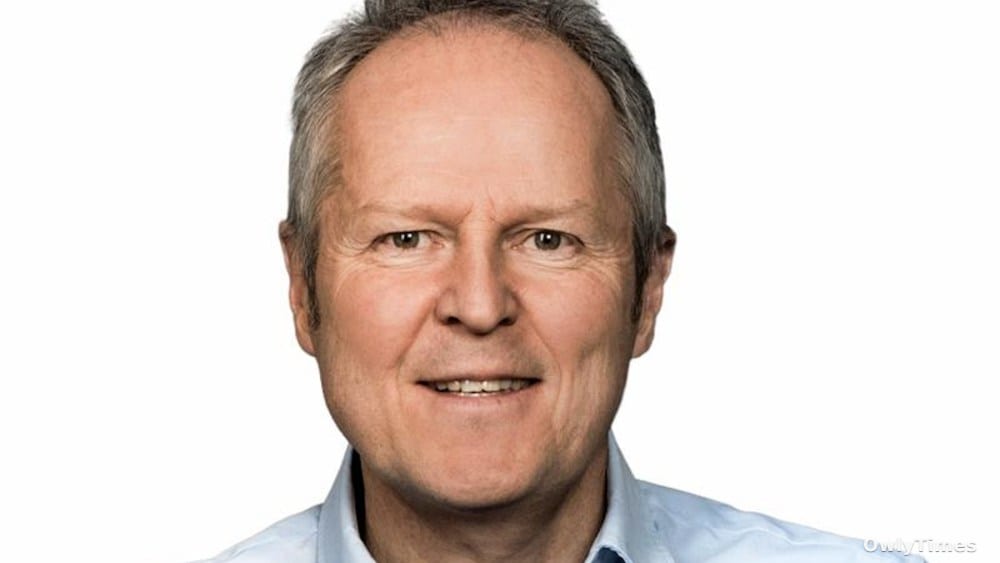
Ubisoft is attempting a high-stakes turnaround, underscored by a planned $235 million in savings layered on top of existing cost-cutting measures. This figure isn’t simply a line item on a balance sheet; it represents a fundamental recalibration of strategy following a period of disappointing releases and strategic uncertainty. The scale of the savings – equivalent to roughly 8% of Ubisoft’s €2.95 billion in net bookings for fiscal year 2023 – signals the depth of the challenges facing the French publisher and the aggressive measures being taken to address them. While the company touts a recent earnings beat and rising Metacritic scores (up from an average of 75 to 80-85), the underlying tension remains: can Yves Guillemot and his team convince investors and, crucially, players, that this latest restructuring isn’t just another pivot?
Drawn from variety.com.
The core of the problem lies in a loss of trust. Ubisoft’s recent history is littered with delayed releases and projects that failed to meet expectations, eroding confidence in its ability to consistently deliver blockbuster titles. This culminated in a sweeping reorganization announced in January, breaking the company into five “creative houses,” including the already launched Vantage Studios. This isn’t merely a cosmetic change; it’s a move to decentralize decision-making and empower individual teams, a direct response to criticisms of a top-heavy, centralized structure. However, the simultaneous pursuit of significant cost reductions – including layoffs and studio closures – creates a contradictory message: empowerment alongside austerity. The announced voluntary departure plan, while aiming to minimize forced layoffs, still represents a reduction in workforce and a potential loss of institutional knowledge.
The acquisition of March of Giants from Amazon, a team comprised of former “Rainbow Six” developers, offers a glimpse into Ubisoft’s strategic priorities. The move, described as “organic” by Guillemot, isn’t about acquiring a finished product, but about securing specialized expertise in the competitive multiplayer online battle arena (MOBA) space – a genre where Ubisoft currently lacks a significant presence. This acquisition, while not disclosed in monetary terms, demonstrates a willingness to invest in talent and technology that fills critical gaps in Ubisoft’s portfolio. The fact that the March of Giants team specifically sought out Ubisoft as a potential buyer speaks to the company’s reputation as a desirable employer within the industry, despite the current turmoil.
A key component of Ubisoft’s future growth hinges on its partnership with Tencent. Beyond the financial investment, Tencent brings invaluable knowledge of the Chinese market, a region where Ubisoft sees significant untapped potential, particularly for franchises like “Rainbow Six.” Guillemot explicitly states the ambition to scale “Rainbow Six” in China to levels comparable to or exceeding other major markets. This isn’t simply about expanding revenue streams; it’s about diversifying Ubisoft’s geographic dependence and reducing its vulnerability to fluctuations in Western markets. Tencent’s “long-term partnership approach,” characterized by operational autonomy and a lack of interference in day-to-day management, is a crucial element of this strategy, allaying fears of undue influence from a Chinese investor.
However, the restructuring isn’t without internal dissent. Calls for Yves Guillemot’s resignation, fueled by union leaders and employees frustrated with the company’s direction, highlight the deep-seated anxieties within Ubisoft. The controversy surrounding the appointment of Guillemot’s son, Charlie Guillemot, as co-head of Vantage Studios, further exacerbates these concerns, raising questions about nepotism and transparency. While Guillemot defends the appointment based on merit and experience, the optics are undeniably problematic, adding fuel to the fire of discontent. The cancellation of six projects, including the highly anticipated “Prince of Persia: The Sands of Time” remake, underscores the ruthless efficiency of the restructuring, but also risks alienating fans who were eagerly awaiting these titles.
Looking ahead, Ubisoft’s success will depend on its ability to execute its new strategy and rebuild trust with both players and investors. The company’s focus on strengthening existing franchises – “Assassin’s Creed,” “Far Cry,” and “Rainbow Six” – is a prudent move, leveraging established brands with loyal fan bases. The development of AI-powered tools like “Teammates,” while still in the R&D phase, demonstrates a commitment to innovation and could potentially streamline development processes and enhance gameplay experiences. However, the long-term impact on employment remains uncertain, despite Guillemot’s assurances that AI will augment, not replace, creative talent.
What this means for your wallet: Ubisoft’s restructuring is likely to translate into a more focused release schedule, with fewer, higher-quality titles. While this could mean longer wait times between sequels, it also suggests a greater emphasis on polish and player experience. Investors should watch closely for signs of improved profitability and a sustained increase in Metacritic scores, indicating that Ubisoft is successfully delivering on its promise of quality. Consumers should brace for potential price increases as Ubisoft prioritizes profitability, but also anticipate a more refined and engaging gaming experience if the company’s turnaround strategy proves successful. The key question remains: can Ubisoft deliver on its ambitious vision, or will it continue to stumble, leaving shareholders and players alike questioning its future?