
Is the UK’s AI Copyright U-Turn a Victory for Artists, or Just a Delay?
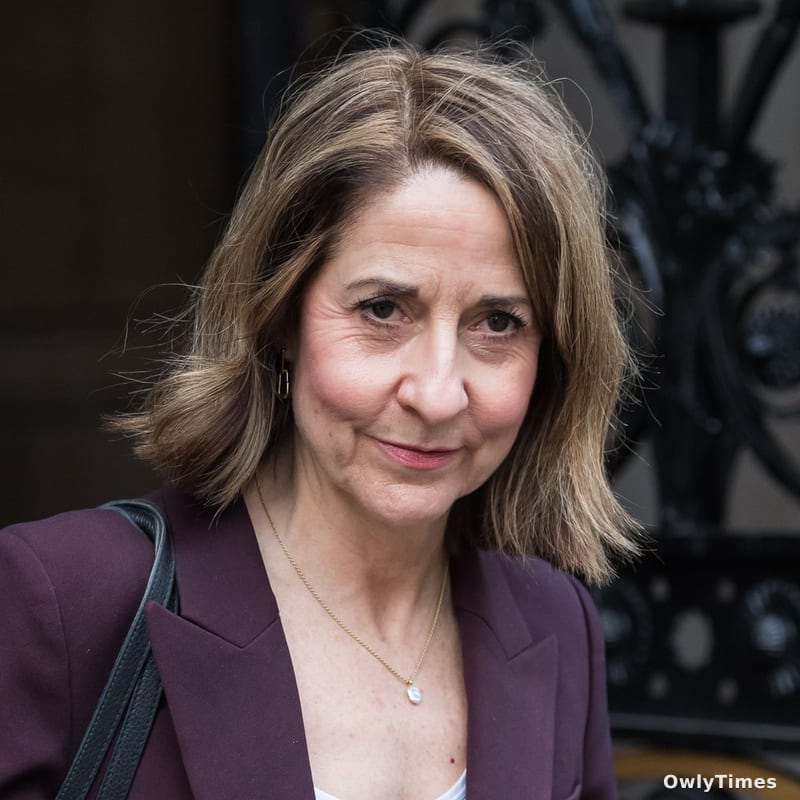
The headlines scream “Government Backtracks on AI Copyright!” and artists are popping champagne. But let’s be honest: celebrating too loudly might be premature. The UK government’s sudden shift away from a proposal that would have allowed AI companies to freely use copyrighted material—unless creators actively opted out—feels less like a decisive win and more like a strategic pause. The real story here isn't that Liz Kendall, the technology secretary, scrapped a plan that drew fire from Elton John and a chorus of concerned creatives; it’s that the fundamental tension between the voracious data needs of AI and the rights of artists remains unresolved, and the UK is now scrambling to figure out how to navigate it.
The Opt-Out That Sparked a Revolt
The initial proposal, which gained traction earlier this year, was deceptively simple. AI firms could leverage copyrighted works—music, writing, images—to train their models, but only if the rights holders didn’t actively object. Think of it like a spam filter for creativity: you had to actively block your work from being used, or risk it being absorbed into the AI machine. This sparked immediate and visceral opposition. Dua Lipa, Björn Ulvaeus, Julianne Moore, and Thom Yorke were just a few of the high-profile names joining the chorus of artists and writers who argued that such a system would effectively strip them of control over their creations and undermine their livelihoods. The Society of Authors rightly called the announcement a “hard-won” moment, recognizing the potential for widespread exploitation.
Original reporting: The Guardian.
The Economic Tightrope Walk
The government’s about-face isn’t purely altruistic. The economic impact assessments, though lacking a “monetised” cost breakdown, revealed a complex trade-off. Leaving copyright law unchanged could boost licensing revenue for creative firms, but potentially stifle the development of advanced AI in the UK. Conversely, waiving copyright altogether could cripple the creative sector while lowering costs for tech companies. Even requiring licensing could lead to AI tools being pulled from the UK market. This highlights the core dilemma: the UK wants to be a leader in AI, but it also wants to protect its thriving creative industries—a sector that contributes significantly to the nation’s economy. The News Media Association, representing publications like The Guardian, correctly pointed out that handing away the UK’s “goldmine” of creative content isn’t a sustainable economic strategy.
Beyond the Opt-Out: A Web of New Proposals
Kendall’s announcement wasn’t just about abandoning the opt-out. It also unveiled a flurry of new initiatives: a taskforce to label AI content, a consultation on deepfake protections, a working group to help smaller creative organizations license their work, and a review of how creators can monitor AI usage. These are all welcome steps, but they feel like band-aids on a much larger wound. Beeban Kidron, who spearheaded opposition to the initial proposal in the House of Lords, is spot on: “there was ‘nothing but political will’ standing in the way of letting artists see how and where their work is being used by AI firms.” The current proposals, while well-intentioned, don’t address the fundamental issue of transparency and compensation.
TechUK’s Plea for a “Reset”
The tech industry isn’t exactly celebrating the government’s shift. Antony Walker, deputy chief executive at techUK, emphasized the need to “reset and find a way forward.” He’s right to. The current uncertainty creates a chilling effect on investment and innovation. AI companies need clarity on copyright rules to confidently build and deploy their models. The UK risks becoming a regulatory outlier, pushing AI development elsewhere.
What Happens Next: The Monitoring Question
While the immediate crisis has subsided, the underlying issues remain. Ed Newton-Rex, a composer and campaigner, warned against premature celebration, noting that “virtually everything is still on the table, including the opt-out.” The most crucial, and arguably most overlooked, element of this entire saga is the ability for creators to monitor how their work is being used by AI. Without robust monitoring tools, any licensing or compensation system will be fundamentally flawed. My prediction? Within the next six months, we’ll see a surge in demand for AI-powered copyright monitoring services, as artists and publishers desperately seek ways to track and control the use of their intellectual property. The real battleground isn't about whether AI can use copyrighted material; it's about how it does, and whether creators can finally see—and be compensated for—their contribution to the AI revolution.