
£11.3 Billion at Risk: The UK’s Delayed Import Tax Shift and Its Ripple Effects
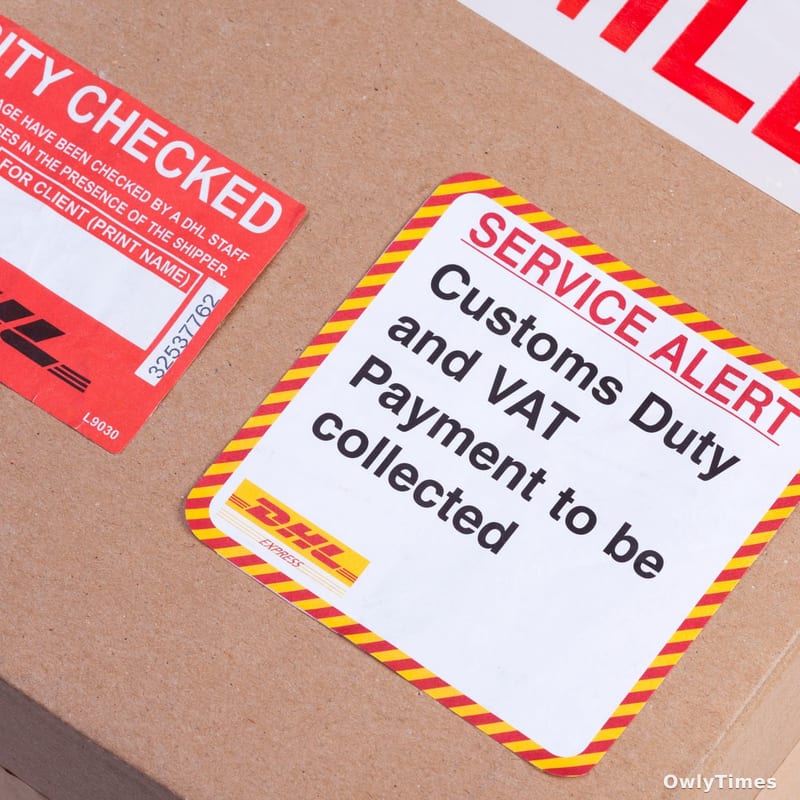
A staggering £11.3 billion in annual UK imports – the total value of goods currently entering the country under the £135 tax-free threshold – hangs in the balance as the government prepares to end its “de minimis” exemption on low-value shipments. While framed as a win for British retailers battling competition from giants like Shein and Temu, the decision, slated for implementation no earlier than March 2029, reveals a complex interplay of economic pressures, delayed responses, and potential disruption to established trade patterns. Follow the money, and the picture isn’t simply about leveling the playing field; it’s about a calculated gamble with consumer prices and the viability of smaller import businesses.
This article draws on reporting from The Guardian.
The UK is notably lagging behind its major trading partners. The US eliminated its de minimis exemption of $800 (£597) on August 29th, and the European Union is poised to follow suit, adding handling charges to cheaper packages. This coordinated move signals a global shift away from the previously lenient policies that fueled the explosion of direct-to-consumer e-commerce, particularly from China. The rationale, as articulated by an HM Treasury spokesperson, centers on protecting domestic businesses and bolstering border control. However, the five-year delay until 2029 – justified by the need to build a new customs collection system – introduces significant uncertainty and allows competitors to further entrench themselves. This delay effectively concedes market share in the short-to-medium term while promising a future correction.
The British Chambers of Commerce (BCC), while acknowledging the need to align with international standards, is sounding the alarm. A recent BCC survey of 608 businesses, with 30% identifying as importers, reveals a deep anxiety about the potential consequences. The data is stark: a 5-10% increase in import costs would see over half of UK importers pass those costs directly to consumers. Only 20% believe they could absorb the added expense. This isn’t theoretical; it’s a direct threat to household budgets already strained by inflation. Furthermore, 21% of businesses would switch suppliers, and 20% would consolidate shipments – both strategies designed to mitigate duty costs but potentially leading to reduced product variety and longer delivery times.
The BCC’s concerns extend beyond simple cost increases. Their research highlights a particular fear surrounding proposed “charges per item or consignment,” which they argue would be inflationary, distort business behavior, and disproportionately impact small- and medium-sized firms relying on e-commerce for single-item deliveries. This is a critical point. While larger retailers like Primark, Currys, and Boohoo publicly support the move, their lobbying is driven by a desire to curb the competitive advantage of rivals who have thrived under the existing system. The impact on smaller importers – those who lack the scale and negotiating power of their larger counterparts – could be devastating. The survey also revealed a concerning lack of awareness; almost two-thirds of companies were either unaware of the planned changes or unsure of their potential impact.
The implications aren’t solely domestic. Nearly a quarter of UK goods exporters report that a 10-15% increase in costs due to the removal of de minimis exemptions in other countries would jeopardize over half of their overseas sales. This highlights the interconnectedness of global trade and the potential for retaliatory measures. The UK’s delayed implementation, coupled with the actions of the US and EU, creates a scenario where British exporters face increased costs while their competitors benefit from continued exemptions in key markets. William Bain, Head of Trade Policy at the BCC, urges ministers to avoid per-item charges and retain the current VAT practice, emphasizing the importance of a phased-in approach and targeted enforcement.
What this means for your wallet: prepare for a potential increase in the cost of online purchases, particularly those under £135, starting in 2029. More importantly, watch closely whether the UK government responds to the actions of its trading partners with reciprocal measures. If the UK fails to secure comparable exemptions for its exporters, the net effect could be a significant drag on British trade and a further erosion of its competitiveness in the global marketplace. The question isn’t if prices will rise, but by how much and who will bear the brunt of the cost.