
The scientific community often grapples with understanding the delayed but profound ripple effects of major policy shifts, particularly those impacting global public health infrastructure. When high-profile political actions capture immediate attention, the long-term, human consequences can quietly accumulate, far from the public eye. Our challenge as health and science communicators is to illuminate these critical connections, bridging the gap between symbolic gestures and their tangible, often devastating, impact on human lives.
The Chainsaw's Echo: From Political Theater to Public Health Crisis
In February 2025, the world watched as Elon Musk, the richest man in modern history, stood on stage at the Conservative Political Action Conference, wielding a bright red chainsaw. Handed to him by Argentine President Javier Milei, this dramatic prop was declared a "chainsaw for bureaucracy," symbolizing the swift dismantling of government inefficiencies. At the time, Musk was leading the hastily assembled Department of Government Efficiency (DOGE), the vehicle for eliminating the United States Agency for International Development (USAID). What began as a viral image and a political statement has, just over a year later, translated into a stark and escalating global health crisis.
USAID, a cornerstone of U.S. foreign assistance since 1961 and the primary funding partner for the Centers for Disease Control (CDC) since 1980, was first folded into the State Department and then entirely dissolved by July of that year. Secretary of State Marco Rubio announced that 83% of its contracts had been terminated. While the political discourse moved on, the consequences are now manifesting. Just last week, a multi-country hantavirus cluster erupted on a cruise ship stranded in the Atlantic, leading to three deaths. The investigation is being led by the Africa CDC, South Africa’s National Institute for Communicable Diseases, and the World Health Organization (WHO), with the U.S. CDC notably "only monitoring," a stark indicator of weakened global health response capabilities.
The Projected Human Cost of Disengagement
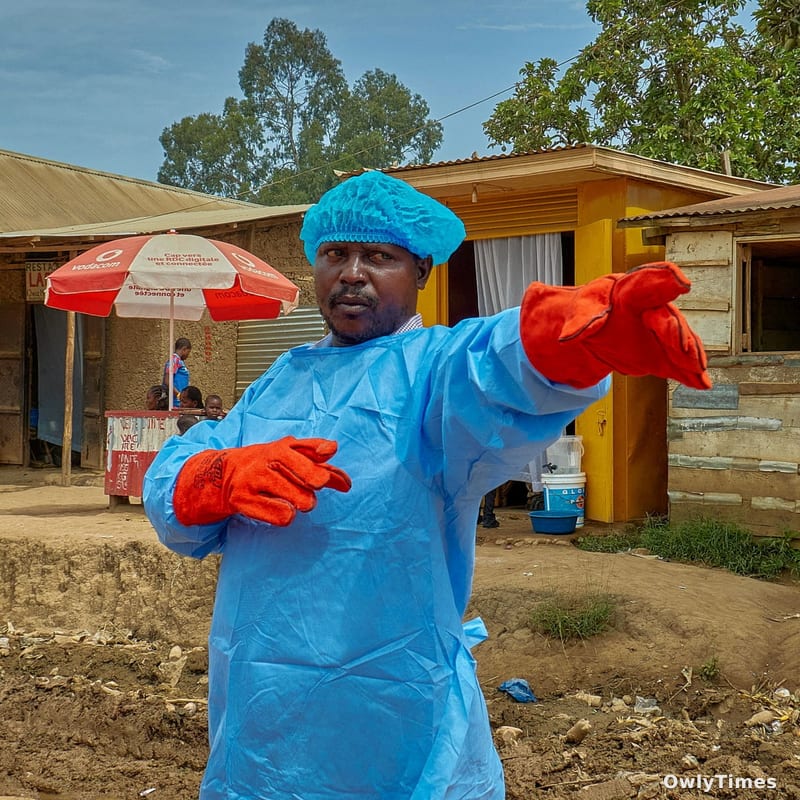
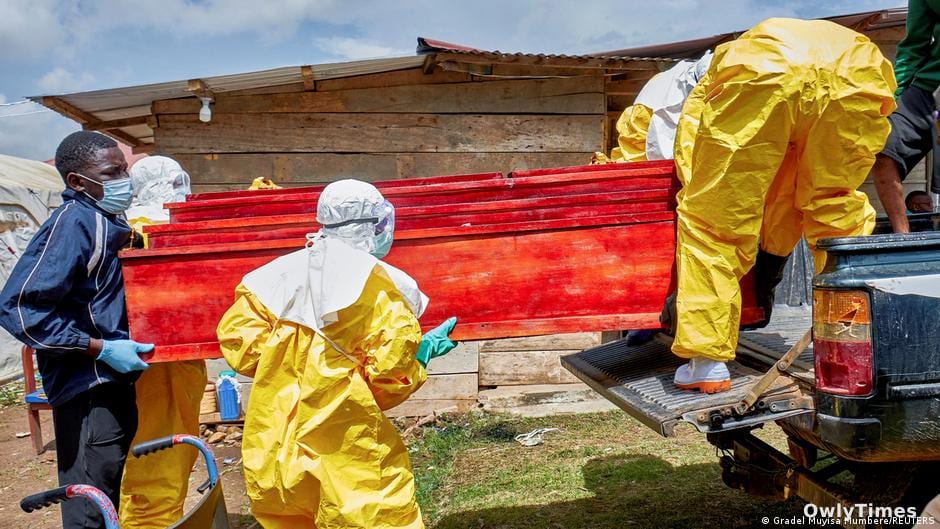
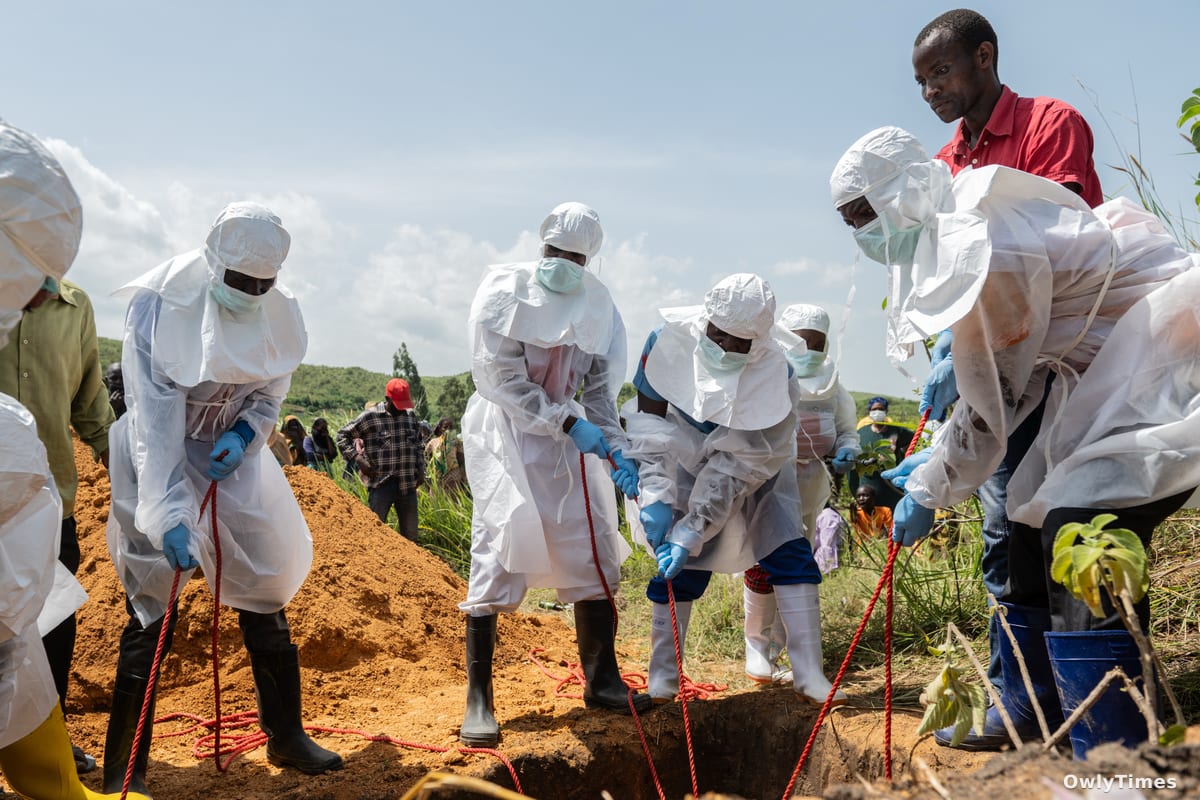
What the study actually found, versus what the initial headlines of "efficiency" might have implied, paints a grim picture. The Lancet now projects that the dismantling of USAID will produce 14 million additional deaths by 2030, with a plausible range extending to 19.7 million. This devastating figure includes 4.5 million children under 5, translating to approximately 700,000 dead children per year, or roughly one every 45 seconds. These are not abstract statistics but human lives lost to preventable diseases such as diarrhea, pneumonia, malaria, and mother-to-child HIV transmission—illnesses the U.S. had been preventing for just 17 cents per American per day. The Center for Global Development estimates that USAID cuts alone produced between 500,000 and 1 million additional deaths in 2025.
The ripple effect extends beyond immediate mortality. USAID's workforce, once around 10,000, has been reduced to fewer than 300. This drastic cut led to immediate disruptions, with food and HIV medications spoiling in warehouses because the supply chain to move them could no longer be funded. Data from PEPFAR, a program that has invested over $100 billion in HIV/AIDS prevention, revealed 14 million fewer HIV tests performed globally in 2025 compared to the previous year, a 17% decrease. Brian Honermann, deputy director of public policy at the Foundation for AIDS Research, has warned that the dismantling of PEPFAR’s data systems increases the risk of an HIV resurgence going "unnoticed and undiagnosed."
Broader Erosion of Health Infrastructure
The "chainsaw" metaphor, as a recent analysis in the Los Angeles Times details, continues to cut deep, not only in international aid but also domestically. A Trump administration budget notification, obtained by CNN, revealed that over $2 billion Congress had appropriated for critical programs like tuberculosis, malaria, HIV/AIDS, maternal-child health, nutrition, and global health security is being redirected to cover USAID’s closeout costs—legal fees, pending invoices, and asset sales. An additional $1.2 billion in foreign development assistance is being similarly stripped. The Health Security Policy Academy estimates this single redirect will lead to 121,000 preventable tuberculosis deaths and 47,600 preventable malaria deaths.
The human face of these policy decisions is tragically clear. Bill Gates, who pledged $200 billion in May 2025 to combat disease and child mortality, recounted an incident in Gaza province, Mozambique. There, USAID-funded prevention of mother-to-child HIV transmission was canceled after Musk confused the location with the Gaza in the Middle East. Despite Musk later acknowledging the error, the funding was not restored, and children born to those mothers since the cancellation have been infected with HIV. Gates observed, "The picture of the world’s richest man killing the world’s poorest children is not a pretty one."
Meanwhile, Health and Human Services (HHS) Secretary Robert F. Kennedy Jr. has overseen a 25% reduction in the HHS workforce, suspended CDC vaccine promotion, purged the vaccine advisory committee, and canceled vital mRNA and HIV vaccine research. These actions further weaken the scientific infrastructure necessary for both domestic and global health security. More information about the vital work of organizations like USAID can be found on their official website USAID.gov.
Limitations to Consider
It is crucial to acknowledge that projections, even those from esteemed publications like The Lancet, are models. They are based on current trends, historical data, and established epidemiological understanding, but they remain estimates. The full extent of these impacts could be influenced by unforeseen global events, or by subsequent policy changes that either mitigate or exacerbate the current trajectory. However, the consistent messaging across multiple reputable organizations—from the Center for Global Development to the Health Security Policy Academy—lends considerable weight to the dire forecasts. The immediate consequences, such as the hantavirus outbreak and the reduction in HIV testing, serve as tangible early indicators that these projections are rooted in unfolding realities.
The Unfolding Trajectory of Global Health
The reverberations of decisions made just 15 months ago are now being felt across maternity wards, in disease outbreaks, and within tuberculosis clinics facing imminent funding cuts. The next steps in research must focus on rigorously tracking the actual mortality rates in affected regions, monitoring the resurgence of preventable diseases, and evaluating the effectiveness of any remaining or newly formed aid structures. Understanding the long-term impact on the global health workforce and the capacity of international organizations to respond to future pandemics or health crises will be paramount. Without this critical data, and a renewed commitment to global health security, the "chainsaw" that once symbolized efficiency threatens to continue cutting away at the foundations of human well-being, leaving a legacy of preventable suffering that will be impossible to ignore. For deeper insights into public health data and initiatives, the CDC website offers a wealth of resources.