
Beyond the Walls: Reimagining Dementia Care with Virtual Travel
The persistent challenge in dementia care isn’t simply memory loss, but the erosion of quality of life. Individuals living with dementia often experience increasing isolation as their world shrinks, confined by cognitive and physical limitations. Now, a pilot program at the Ruby Ward of Kent and Medway Mental Health NHS Trust is attempting to address this directly, not through pharmacological intervention, but through a surprisingly low-tech solution: virtual reality. While headlines proclaim VR as a tool for “trips abroad” for dementia patients, the nuance of this project lies in its focus on emotional relocation, and the careful methodology underpinning its potential benefits. This isn’t about recreating travel, but about recreating feelings associated with positive memories and environments.
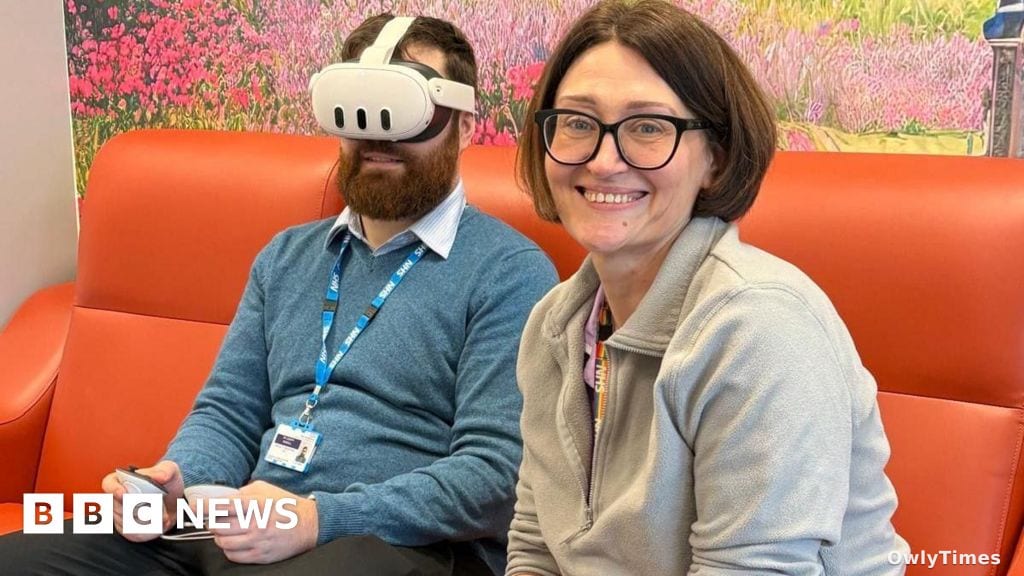
The three-month trial, spearheaded by Dr. Joseph Kendall, a forensic psychiatry registrar at the trust, will offer patients – specifically older women with dementia – immersive, 360-degree experiences of Venice, Santiago in Chile, and New York City. The impetus for the project, as Dr. Kendall explained to the South East reporter Nathan Bevan, stemmed from a direct observation of patient distress. He “really empathised with patients who were often restricted to the ward and wanted to see if we could use technology to lift their mood and give them something to get excited about.” This empathetic starting point is crucial; the program isn’t driven by a desire to showcase technological innovation, but by a genuine attempt to alleviate suffering. The idea itself originated within the trust’s internal “Innovation Den,” a program designed to solicit and implement practical improvements to patient care, demonstrating a commitment to bottom-up innovation.
Source material: the BBC.
The core hypothesis driving this trial is that immersive VR can modulate the emotional centers of the brain, even in the presence of significant cognitive decline. While memories themselves may be fragmented, the emotional residue of those memories – the feeling of warmth on a sunny day, the sound of waves crashing – can remain surprisingly intact. By providing a sensory-rich environment that evokes these feelings, the trust hopes to reduce stress, anxiety, and restlessness, common and debilitating symptoms of dementia. It’s important to note that the team isn’t claiming VR will restore memories, but rather leverage existing emotional pathways to improve present-moment well-being. Dr. Kendall and his team have already begun training staff on headset operation, prioritizing a smooth and supportive experience for patients. This preparatory phase is vital, as the success of the intervention hinges on the caregiver’s ability to facilitate and interpret the patient’s response.
Measuring “Joy”: The Challenges of Subjective Outcomes
The success of this pilot won’t be measured in quantifiable cognitive gains, but in more subtle indicators of emotional response. The trust hasn’t yet detailed the specific metrics they’ll employ, but assessing changes in mood, agitation levels, and social engagement will likely be central. This presents a significant methodological challenge. Dementia impacts communication, making it difficult for patients to articulate their experiences. Researchers will likely rely heavily on observational data – noting changes in facial expressions, body language, and vocal tone – alongside caregiver reports. This reliance on subjective assessment introduces the potential for bias, highlighting the need for standardized observation protocols and inter-rater reliability training for staff. It’s also worth considering that any initial positive response could be attributed to the novelty effect – the simple excitement of trying something new – rather than the specific benefits of the VR experience itself.
Limitations to Consider: Accessibility and Individual Response
While the initial investment in VR headsets is relatively modest, scaling this type of intervention presents logistical hurdles. The cost of maintaining the equipment, updating software, and providing ongoing staff training could become substantial. More importantly, VR isn’t a one-size-fits-all solution. Individual responses will vary widely depending on the patient’s pre-existing memories, sensory sensitivities, and overall cognitive state. Some individuals may find the experience disorienting or overwhelming, potentially exacerbating anxiety. Careful patient selection and individualized VR “prescriptions” – tailoring the environment to the patient’s preferences and capabilities – will be crucial. Furthermore, the current trial focuses exclusively on women with dementia. The reasons for this demographic focus aren’t explicitly stated, and future research should investigate whether the benefits extend to men and individuals with different subtypes of dementia.
The Kent and Medway Mental Health NHS Trust’s pilot program represents a promising, and refreshingly human-centered, approach to dementia care. The next steps will be critical: rigorous data collection, careful analysis of patient responses, and transparent reporting of both successes and limitations. But beyond the data, the most important question to watch for is this: will this type of immersive experience, even briefly, offer a pathway back to a sense of place and belonging for those whose worlds have become increasingly confined? If so, it could signal a fundamental shift in how we approach the emotional needs of individuals living with dementia, moving beyond simply managing symptoms to actively cultivating moments of joy and connection.





