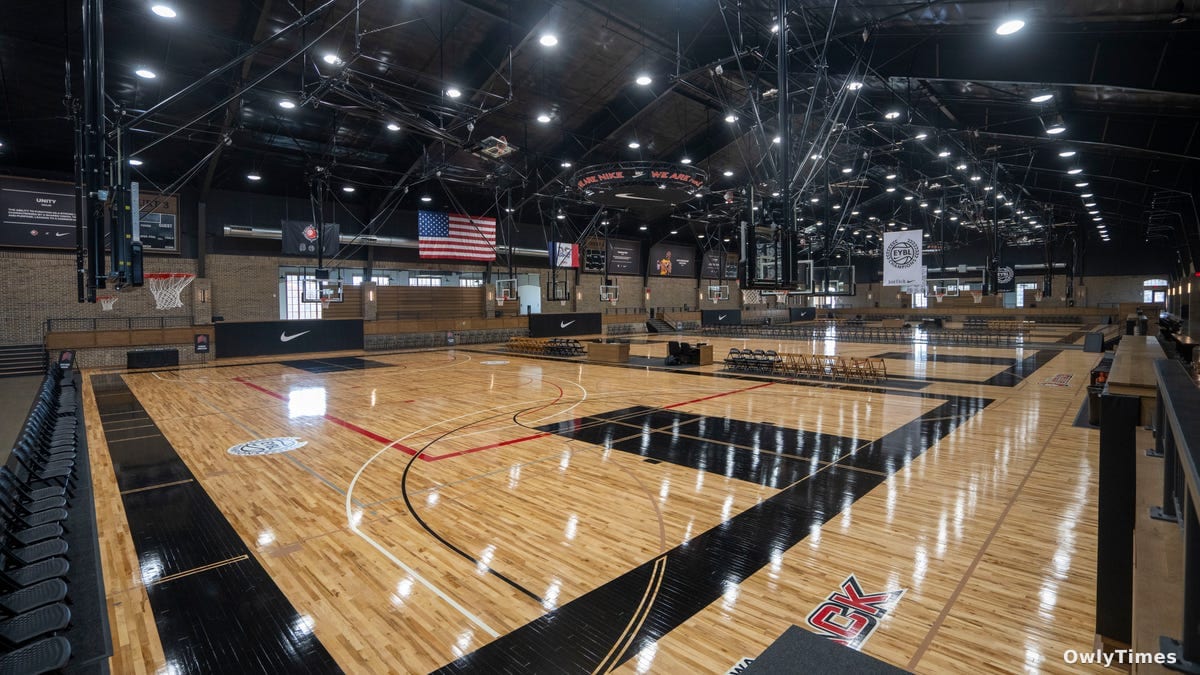

The chipped paint on the basketball hoops inside Kettlestone Central Sports Complex in Waukee held a silent tension for months. Not from the squeak of sneakers or the shouts of young athletes, but from the looming threat of a sale – a potential dismantling of a community hub built on the promise of accessible youth sports. On Monday, April 6th, that tension finally broke, but not with a slam dunk. Dallas County Judge Stacy Ritchie ruled in favor of the Iowa Youth Athletic Foundation, declaring the $40 million complex exempt from property taxes, a decision that pulls the complex back from the brink. But this isn’t simply a win for a non-profit; it’s a flashpoint in a growing debate about how communities define “public good” and who bears the cost of fostering it.
A Tax Bill That Threatened to Bench a Dream
The story began with a bill. A potential annual tax bill of $500,000 to $1 million – the latter figure based on a full property assessment – that the Iowa Youth Athletic Foundation argued would cripple its ability to operate. The foundation, which has operated as a tax-exempt nonprofit for over two decades, providing athletic opportunities to children, particularly in basketball, saw its exemption challenged by the Dallas County assessor. The county argued the foundation hadn’t sufficiently justified its tax-exempt status. This isn’t an isolated incident. Across the country, municipalities are increasingly scrutinizing non-profit exemptions, particularly for large-scale facilities, as they grapple with budget shortfalls and demands for equitable tax burdens. In Iowa, property taxes fund local schools, infrastructure, and emergency services, and a loss of that revenue would have been felt acutely.
This piece references the desmoinesregister.com report.
The stakes were high enough that the foundation listed the complex for sale while the lawsuit was pending. The prospect of a for-profit entity taking over – one “less generous to the community and more focused on earning enough revenue,” as the foundation’s lawsuit stated – galvanized local support. It wasn’t just about basketball; it was about the accessibility of sports for kids who might not otherwise have the opportunity. This echoes a national trend: youth sports, once largely community-driven, are increasingly becoming expensive and exclusive, creating a divide based on socioeconomic status. Kettlestone, with its focus on affordability and inclusivity, represented a counter-narrative.
Beyond the Tax Code: Defining Community Value
The ruling by Judge Ritchie – stating “there is no genuine dispute of fact that the Kettlestone Complex is exempt from property taxation” – is a clear victory for the foundation and its mission. Todd Lantz, one of the foundation’s attorneys, called it “vindication,” and confirmed the sale is now off the table. But the story doesn’t end there. The foundation also alleged the assessor’s denial of the exemption was unconstitutional, a claim Judge Ritchie has left open for further proceedings. This constitutional argument is crucial. It suggests the foundation isn’t simply seeking a tax break, but challenging the very authority of the county to define what constitutes a charitable purpose worthy of exemption.
This is where the cultural significance deepens. We’re seeing a re-evaluation of the role of non-profits in society. Are they simply providing services, or are they actively contributing to the public good in ways that justify tax relief? The answer, increasingly, is proving complex. The Dallas County Board of Review has yet to respond to requests for comment, but their initial challenge to the exemption suggests a belief that the foundation’s benefits didn’t outweigh the potential loss of tax revenue. This tension between fiscal responsibility and community investment is playing out in towns and cities across the country.
What Happens When the Constitution is Questioned?
The next two weeks will be critical. Judge Ritchie has ordered both parties to meet and determine whether further proceedings on the constitutional claim are necessary. If the foundation pursues this argument, it could set a precedent for how non-profits are evaluated for tax exemptions in Iowa and potentially beyond. It could force counties to articulate a clearer, more consistent standard for determining “public benefit.”
The Kettlestone case isn’t just about a sports complex; it’s about the future of community-based athletics and the broader debate over how we fund and value public goods. Will municipalities continue to tighten the screws on non-profit exemptions, prioritizing short-term revenue gains? Or will they recognize the long-term value of organizations like the Iowa Youth Athletic Foundation, which invest in the health and well-being of the next generation? The answer will be written not just in court rulings, but in the budgets and priorities of communities nationwide. And as more youth sports facilities face similar challenges, we’ll be watching to see if Kettlestone’s victory is an isolated win, or the start of a new game.

