
$30 Million Bets and Chicken Dinners: Frankenmuth’s Gamble on Tradition
A staggering $30 million is earmarked for a new indoor sports complex in Frankenmuth, Michigan, a figure that underscores a critical juncture for the Bavarian-themed town. While famous for its family-run businesses and annual 3 million visitors, Frankenmuth isn’t resting on its reputation for chicken dinners and Christmas cheer. Instead, it’s actively diversifying, betting that a blend of heritage and new attractions will secure its future in a competitive tourism landscape. This isn’t simply about adding another amenity; it’s a calculated response to shifting demographics and evolving consumer preferences, a move that reveals a broader trend in legacy destinations needing to redefine relevance.
See the original The Detroit News story for the full account.
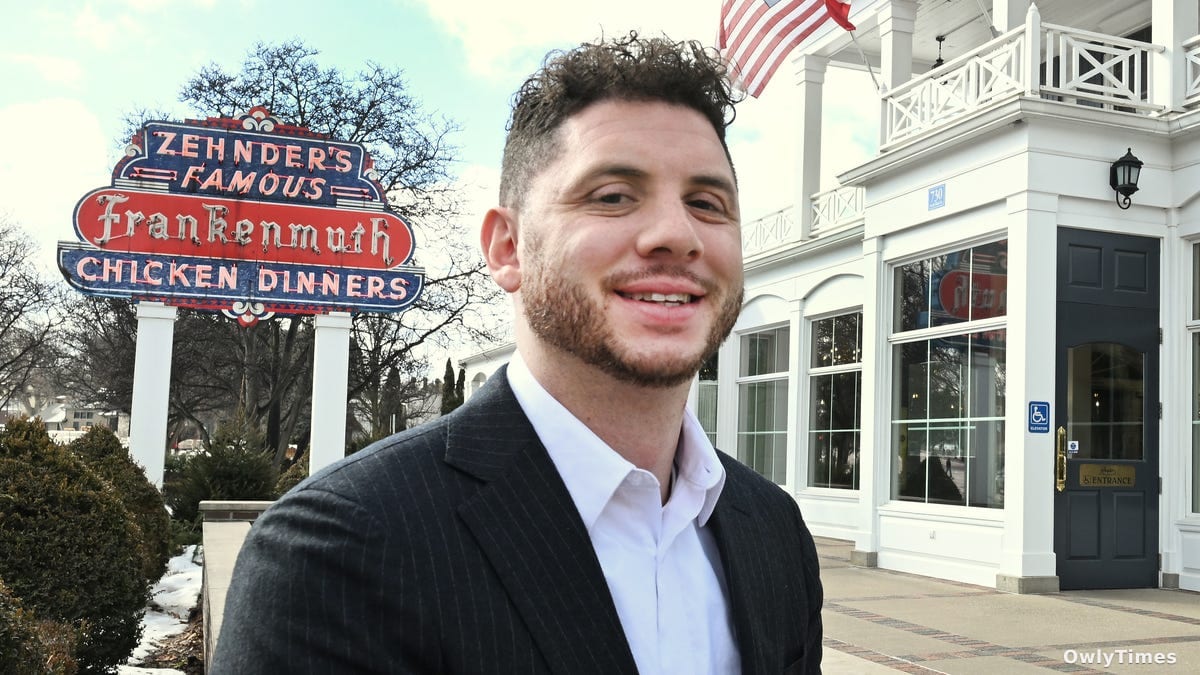
The pressure to innovate falls squarely on the shoulders of a new generation of leadership. Nick Shelton, 36, became president of Zehnder’s of Frankenmuth in January, marking the fourth generation of family stewardship. Shelton’s approach, as he articulated while standing in the bustling lobby of Zehnder’s Splash Village, centers on “leaning into the traditions that got us here.” But this isn’t a static preservation; it’s a strategic leveraging of existing strengths. The core offering – a family-friendly escape from digital saturation – remains central, but it’s being augmented with new experiences designed to broaden appeal. This is a critical distinction: maintaining identity while expanding reach.
Frankenmuth’s strategy isn’t limited to Zehnder’s. Across the street, Bavarian Inn Lodge recently completed a $90 million expansion with the opening of Bavarian Blast Waterpark in 2023. Initial reports indicate the waterpark has exceeded projections, demonstrating a clear demand for expanded entertainment options. This parallel investment, totaling $120 million between the two lodging giants, signals a coordinated effort to capture a larger share of the family tourism market. The data suggests a recognition that simply offering a unique cultural experience is no longer sufficient; visitors now expect a comprehensive, multi-faceted destination.
The planned sports complex, spearheaded by the Frankenmuth Convention & Visitors Bureau, represents a significant departure from the town’s traditional focus. Projected to generate roughly 19,000 hotel room nights and $10.5 million in annual direct spending, the facility aims to attract a different demographic – sports enthusiasts and their families – and extend the tourism season beyond peak periods. This diversification is crucial, according to Jeffery Elsworth, associate professor of hospitality business entrepreneurship at Michigan State University. He points out the rarity of a family business surviving to the fourth generation, particularly in the hospitality sector, and emphasizes the need for “new blood” and “fresh ideas” to ensure long-term viability.
Shelton’s path to the presidency exemplifies this generational shift. His “bottom up” journey, starting with a role as the Zehnder’s Drumstick mascot at age 14 and progressing through nearly every facet of the business, demonstrates a deep understanding of the company’s operations and customer base. This hands-on experience, coupled with a formal education in sports management, positions him to navigate the challenges of balancing tradition with innovation. His uncle, Al Zehnder, chairman of the board, highlights Shelton’s collaborative management style and commitment to the company’s customer service philosophy. This isn’t simply a handover of power; it’s a carefully orchestrated succession designed to preserve the company’s values while embracing change.
Zehnder’s is further solidifying its position with the upcoming debut of The Mill at Zehnder Park this spring, a boutique lodging experience housed in a renovated 1848 flour mill. This project, offering curated suites themed around local history, demonstrates a commitment to elevating the guest experience and attracting a more discerning traveler. The investment in unique, storytelling-driven accommodations suggests a move beyond simply providing a place to stay; it’s about creating an immersive and memorable experience. This is a key differentiator in a market saturated with generic hotel options.
Frankenmuth’s success, as highlighted by Jamie Furbush, president and CEO of the Frankenmuth Chamber of Commerce and Convention & Visitors Bureau, hinges on a delicate balance. The town’s foundational elements – tradition, faith, and community – remain paramount, but they must be complemented by ongoing innovation and a willingness to adapt to changing consumer demands. The question now is whether these investments – the waterparks, the sports complex, the boutique lodging – will generate the anticipated returns and secure Frankenmuth’s position as a premier tourism destination.
What this means for your wallet: Watch for potential price increases at Frankenmuth attractions as these expansions are absorbed. While the goal is to attract more visitors, increased demand often translates to higher costs. More importantly, consider whether the evolving Frankenmuth – with its emphasis on large-scale entertainment – still aligns with your travel preferences. Will the town retain its charm amidst the expansion, or will it become another generic family resort?