
Beyond Expansion: What a CEO’s Departure Reveals About the Future of Regional Healthcare
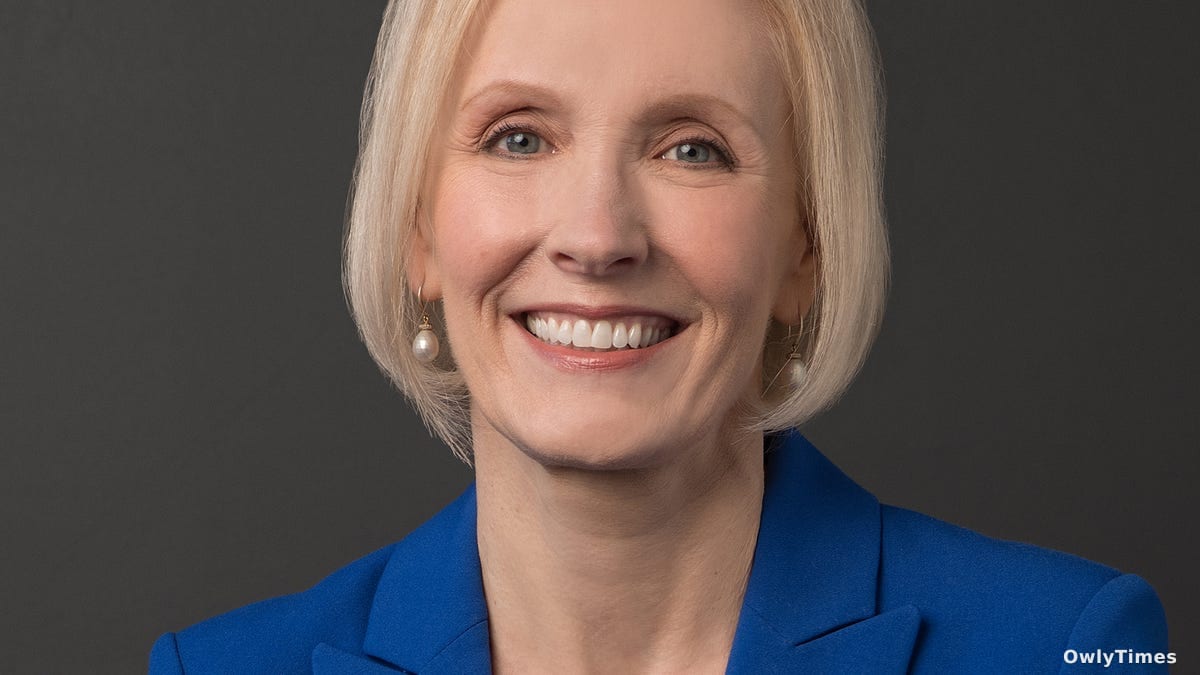
The announcement on April 6th that Roxanna Gapstur will retire as President and CEO of WellSpan Health isn’t simply a personnel change; it’s a marker of a significant shift in the landscape of regional healthcare systems. While headlines focus on the search for a successor, the story’s deeper resonance lies in understanding how WellSpan grew under Gapstur’s leadership – nearly doubling in size from a $2.5 billion to a $4.7 billion organization – and what that model of expansion signifies for access, quality, and ultimately, cost, in a sector perpetually grappling with those competing priorities. It’s easy to read the numbers – expansion from eight to twelve hospitals, a reach extending from five to twelve counties – as unqualified success. But a closer look at the context reveals a strategy born of necessity, and a future that demands careful navigation.
Based on the original ydr.com report.
Gapstur’s tenure, beginning in January 2019, coincided with a period of intense pressure on regional healthcare providers. Rural hospitals were closing at an alarming rate, driven by declining reimbursement rates, workforce shortages, and shifting demographics. Larger systems like WellSpan responded, in part, by consolidating services and expanding their footprint. This isn’t necessarily a criticism; it’s a pragmatic response to a collapsing infrastructure. The opening of three new community hospitals in southcentral Pennsylvania – in Newberry Township and Hopewell Township among them – directly addresses gaps in access for residents who previously faced longer travel times for care. However, this expansion isn’t organic growth in the traditional sense. It’s a strategic absorption of responsibility as smaller entities falter, placing increased demands on WellSpan’s resources and leadership.
The WellSpan Health Board of Directors, now engaged in a national search facilitated by the organizational consulting firm Korn Ferry, emphasizes the need for a successor who will “continue to advance WellSpan’s vision, mission, values and strategic priorities.” This phrasing is deliberately broad, and it’s crucial to unpack what those priorities actually are. The board’s statement from Joe Crosswhite, chair of the Board, highlights Gapstur’s success in positioning WellSpan for “long-term strength in a rapidly changing healthcare landscape.” But “strength” can be measured in multiple ways. Is it financial stability? Market share? Patient outcomes? The simultaneous pursuit of all three is often contradictory. WellSpan’s recent accolades – the Magnet designation for nursing excellence, the John M. Eisenberg National Patient Safety Award, and the American Hospital Association's Quest for Quality Prize – demonstrate a commitment to quality and safety. These are vital, but they also come with significant costs, and maintaining those standards during continued expansion will be a key challenge for the next CEO.
It’s important to acknowledge the limitations to consider when evaluating WellSpan’s growth. While the system has expanded its geographic reach, data on health equity within those newly served counties is currently limited. Has access truly translated into improved health outcomes for all populations, or are disparities persisting? Furthermore, the increased size of the system introduces complexities in coordination of care and potential bureaucratic inefficiencies. Larger organizations are often slower to adapt to local needs and can struggle to maintain a patient-centered approach. The success of the Magnet designation, while laudable, relies heavily on attracting and retaining qualified nursing staff – a challenge facing healthcare systems nationwide.
Looking ahead, the next phase of WellSpan’s development will likely focus on integration and optimization. The question isn’t simply who will lead the organization, but how they will balance continued growth with the need to address rising costs, workforce shortages, and the evolving demands of a value-based care model. Will the next CEO prioritize further expansion, or will they focus on strengthening existing services and improving population health management within WellSpan’s current footprint? The healthcare landscape is poised for further disruption, with the increasing role of telehealth, artificial intelligence, and personalized medicine. The next leader of WellSpan Health will need to navigate these changes while ensuring that the system remains accessible, affordable, and focused on the needs of the communities it serves. Watch for the new CEO’s early decisions regarding investment in preventative care programs – a clear signal of whether WellSpan intends to proactively address health disparities or simply react to the consequences of a fragmented system.





