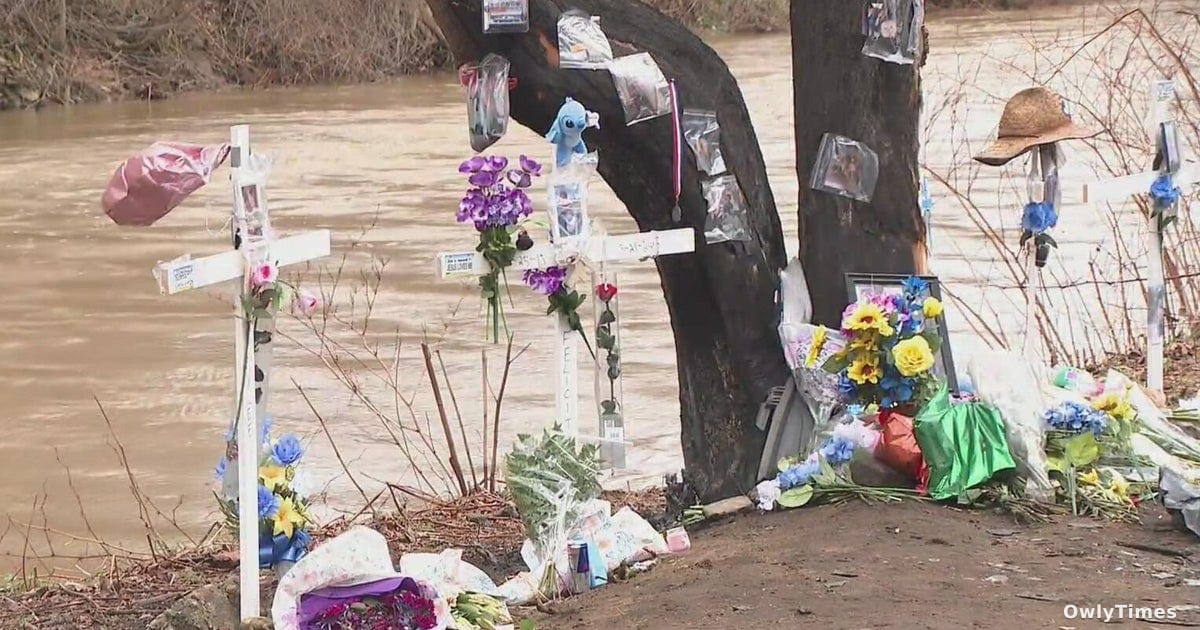

Is anyone actually surprised anymore when we talk about a mental health crisis? We obsess over the latest AI breakthrough or the metaverse’s next iteration, but consistently ignore the quiet erosion happening within the very professions tasked with responding to our crises. The recent tragedy in Westmoreland County, where a car crash claimed the lives of four teenagers, isn’t just a local heartbreak; it’s a stark illustration of a systemic failure to protect those who protect us. The real story here isn't the horrific accident itself – it's the invisible toll it takes on the first responders, and the woefully inadequate systems in place to address their trauma.
The Cumulative Weight of Witnessing Tragedy
The narrative around first responders – police, firefighters, EMTs – is built on a foundation of stoicism. They’re expected to be unflinching in the face of chaos, to compartmentalize, and to move on to the next emergency. But the human brain doesn’t work that way. As Caleb Kolb of Adventures in Training with a Purpose points out, these professionals are often thrust back into service mere hours after witnessing something profoundly disturbing. “They may go to an incident, and it may be a traumatic incident, and they are expected to go back on call, and a month later, they are at another traumatic incident,” he said. It’s a relentless cycle, a drip-feed of trauma that accumulates over time. This isn’t about a lack of resilience; it’s about the sheer volume and intensity of exposure.
Drawn from CBS News.
This exposure manifests in predictable, and devastating, ways. Jillian McVay, a therapist with Village Center for Holistic Therapy and a volunteer firefighter herself, notes the common struggles: PTSD, depression, anxiety, nightmares, and sleep disturbances. These aren’t abstract diagnoses; they’re conditions that directly impact a first responder’s ability to function, both on and off duty. Imagine trying to make split-second decisions in a life-or-death situation while battling crippling insomnia or intrusive flashbacks. The risk isn’t just to the responder’s well-being, but to the public they serve.
The Unique Pain of Losing the Innocent
What makes incidents involving children particularly brutal, as McVay emphasizes, is the violation of a fundamental expectation: that the young should be protected, not victims. For first responders who are parents themselves, the emotional impact is exponentially greater. It’s a mirroring effect, a terrifying glimpse into a potential reality that shatters the illusion of safety. This isn’t simply “hitting differently,” it’s a deeply personal wound that can reopen with every subsequent call. The assumption that these professionals can simply “leave it at the scene” is not only naive, it’s actively harmful.
The problem is compounded by a pervasive sense of isolation. Kolb highlights a common feeling among first responders: “One of the things that people feel is that it's only me that's going through this, and there's a lot of people going through the same thing or a similar thing.” This belief prevents many from seeking help, fearing judgment or appearing weak. The culture of silence, ingrained in many first responder communities, actively discourages vulnerability. The fact that responders from the Westmoreland County incident proactively met to process the tragedy is a positive sign, but it shouldn’t be a spontaneous act of self-care – it should be a standard, readily available resource.
Beyond Critical Incident Stress Debriefing: A Systemic Overhaul
Current support systems often rely on Critical Incident Stress Debriefing (CISD) – group sessions held shortly after a traumatic event. While CISD can be helpful, research suggests its effectiveness is limited, and in some cases, can even be detrimental. It’s a band-aid on a gaping wound. What’s needed is a proactive, ongoing approach to mental health care, integrated into the very fabric of first responder training and employment. This includes regular mental health check-ins, access to affordable and confidential therapy, and a dismantling of the stigma surrounding seeking help. It also means acknowledging the physical toll of trauma – the increased risk of cardiovascular disease, autoimmune disorders, and chronic pain.
The reliance on volunteer fire companies, as seen in Westmoreland County, further exacerbates the problem. Volunteers often lack the same level of access to mental health resources as their full-time counterparts. They’re juggling emergency response with full-time jobs and family obligations, leaving little time or energy for self-care. This isn’t to diminish their dedication, but to highlight the systemic inequities that leave them particularly vulnerable.
Looking ahead, expect to see a surge in lawsuits against municipalities and departments alleging negligence in providing adequate mental health support to first responders. The legal precedent is already being set, and the financial burden will likely force a long-overdue reckoning. But more importantly, watch for a shift in public expectation. We’ll start demanding that the people who run toward danger are also given the resources to heal from it. The question isn’t if this change will happen, but when – and whether it will come before another preventable tragedy unfolds.





