
Can the seasonal intersection of environmental factors and active wildfire events fundamentally alter the baseline of emergency medical care in Georgia? While the state navigates a period of historic drought, the clinical reality inside emergency departments reveals a direct correlation between atmospheric conditions and acute respiratory distress. By examining the current patient influx in middle Georgia, we can better understand how localized air quality shifts force a pivot in preventative public health strategies.
Clinical Pressures Amid Environmental Shifts
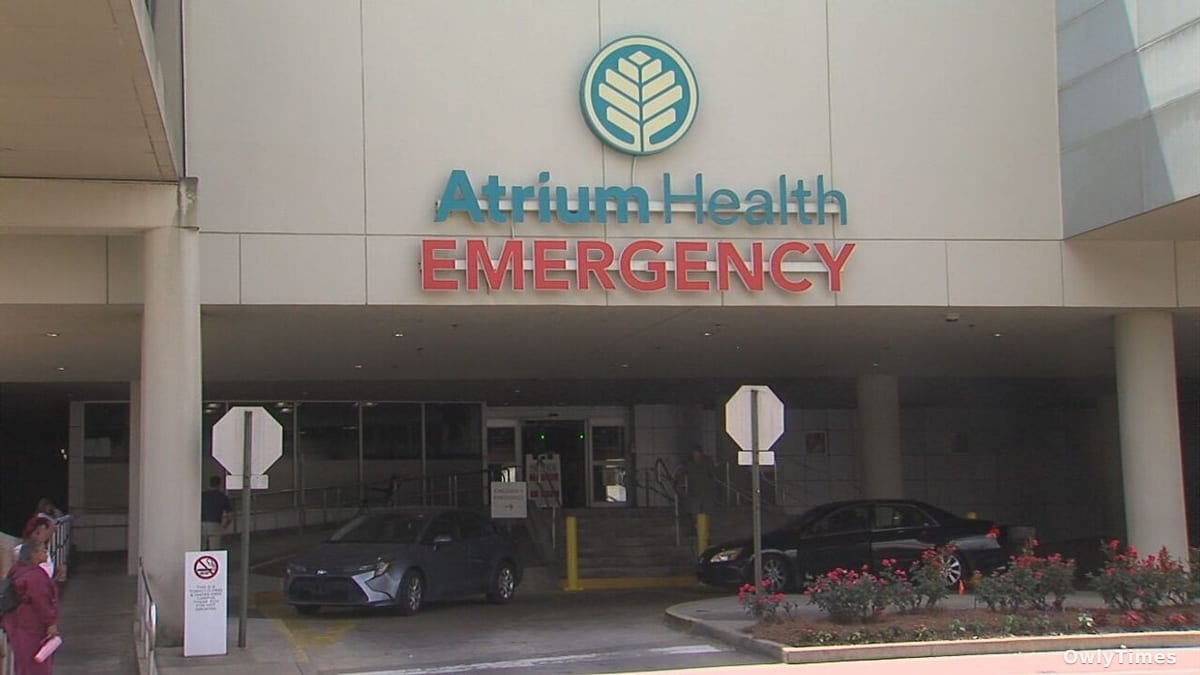
At the Atrium Health Navicent Emergency Center in Macon, the medical staff is currently managing a measurable rise in patients presenting with respiratory ailments. Doctor Jon Wood, the facility's emergency center medical director, noted on April 24, 2025, that the department is experiencing higher-than-usual volumes specifically linked to these respiratory issues. While seasonal changes—such as lower humidity and increased pollen counts—typically create a challenging environment for patients with chronic conditions like asthma or COPD, the current situation is compounded by external environmental threats.
The ongoing wildfires in Clinch, Echols, and Brantley counties have been classified by officials as among the most severe in the history of the state. This regional crisis has moved beyond the borders of south Georgia, with hazy conditions reported across the mid-state and into metro Atlanta. For medical professionals, this translates into a heightened need for vigilance in patient management, as the particulate matter from these fires acts as an irritant for those with pre-existing lung sensitivity.
Distinguishing Clinical Guidance from Public Alarm
It is important to clarify that while headlines often emphasize the widespread nature of the smoke, the clinical advice offered by Dr. Wood focuses on individual risk mitigation rather than broad-spectrum panic. When clinicians report "increased volumes," they are referencing a shift in the primary reason for admission rather than a system-wide failure. The core recommendation is a practical, behavioral adjustment: if the air smells of smoke or appears visibly hazy, the most effective intervention for sensitive individuals is the reduction of outdoor exposure.
There are inherent limitations to this guidance, however, as it assumes a degree of environmental control that is not accessible to every member of the community. For those who must remain outdoors or who live in housing with limited air filtration, these instructions are difficult to implement. Furthermore, while maintaining adherence to prescribed inhalers and maintenance medications is essential, these measures are designed to manage existing conditions rather than prevent the physiological reaction to significant smoke inhalation.
Identifying Thresholds for Emergency Care
The primary challenge for patients remains the ability to discern when a seasonal cough or mild discomfort warrants professional intervention. Dr. Wood advises that while a persistent cough should be addressed with a primary care physician, the threshold for seeking emergency attention is specific and functional. Patients experiencing genuine shortness of breath or those who find that their ability to speak is hampered by difficulty breathing are being urged to seek immediate care.
As the state continues to battle these wildfires, the healthcare system is monitoring the daily volume of respiratory-related visits to gauge the ongoing impact on emergency capacity. The next readings of these patient intake metrics will indicate whether the current surge in emergency department demand is stabilizing or if the intensity of the air quality degradation requires a more robust, long-term regional public health response.





