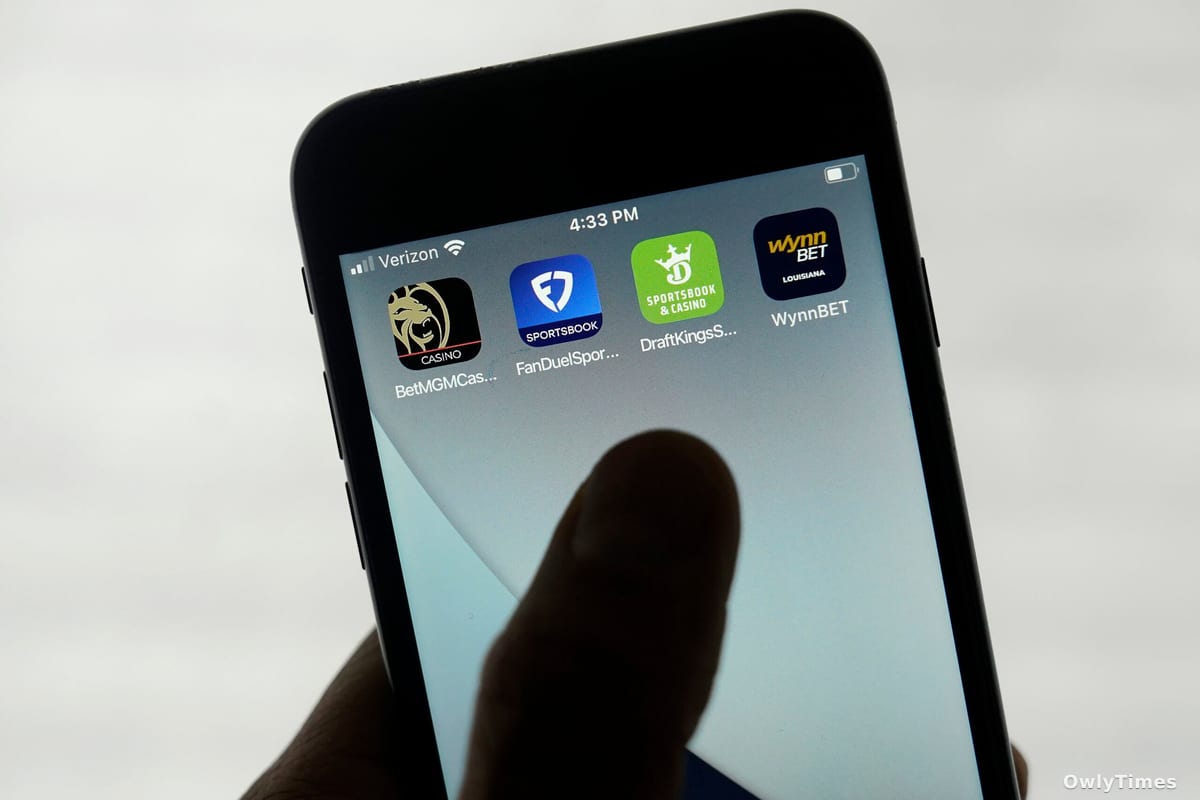

The glow of a smartphone screen in a darkened room often promises the thrill of the game, but for many Wisconsin residents, that interface has become a legal battleground. While users were busy placing stakes on the high-intensity outcomes of the recent NCAA March Madness Tournament, including the climactic Final Four games, the platforms facilitating those wagers were quietly building a massive financial engine. Now, the state of Wisconsin is pulling back the curtain on these "event contracts," arguing that the digital veneer of a prediction market is nothing more than an unregulated casino operating in plain sight.
When Innovation Meets State Law
The friction between Silicon Valley’s rapid-fire financial products and traditional state gambling statutes has reached a breaking point. Attorney General Josh Kaul didn’t mince words during a press conference held this past Thursday, characterizing these platforms as operators of "an illicit poker game" that takes a cut of every pot. By labeling their offerings as event contracts rather than sports bets, companies like Kalshi, Robinhood, Coinbase, Polymarket, and Crypto.com have attempted to bypass local oversight.
The scale of this operation is significant. Data suggests that around 90 percent of Kalshi’s revenue is derived from sports contracts, a segment that reportedly generates more than $1 billion each year. To the state, the transaction fees these companies collect on each trade are functionally identical to a casino’s "rake," effectively turning these platforms into bookmakers that have failed to secure the necessary state licensing.
The Federalism Tug-of-War
At the heart of the defense for these companies is the shield of federal regulation. A spokesperson for Robinhood noted in a written statement that their event contracts are "federally regulated by the CFTC (Commodity Futures Trading Commission)," asserting that this oversight preempts state-level intervention. Kalshi has echoed this sentiment, arguing that as a nationwide exchange for real-world events—ranging from the 2028 U.S. presidential election to the next Superbowl championship—they operate under a different legal framework than traditional, state-regulated sportsbooks.
This argument creates a direct collision course with Wisconsin’s established gaming landscape. While Gov. Tony Evers recently signed legislation to authorize sports betting, that legality is strictly tethered to computer servers located on tribal land, a move backed by all 11 recognized Native American tribes in the state. By operating outside of this narrow, geography-bound framework, the platforms have drawn the ire of both state regulators and tribal entities. The Ho-Chunk Nation previously initiated its own litigation against Kalshi in August 2025, alleging that the platform violates state, federal, and tribal laws.
The High Stakes of Digital Wagering
The tension here is about more than just tax revenue or regulatory jurisdiction; it is about the blurring lines between financial speculation and pure gambling. When a platform allows a user to treat the outcome of a basketball game like a stock option, it fundamentally changes the cultural relationship to sports. The industry is currently banking on the idea that if a product looks like an investment, it will be treated as one, regardless of whether the underlying "asset" is a human performance on a court.
The path forward will be dictated by the courts, with the Ho-Chunk Nation’s ongoing case against Kalshi serving as a bellwether for the industry’s future. With a trial for that specific lawsuit set for May 2027, the coming months will determine whether these prediction markets can continue to claim federal immunity or if they will be forced to shutter their digital windows in the state. The ultimate outcome of these legal proceedings will show whether state-level gambling restrictions can hold their ground against the decentralized, rapid expansion of modern fintech platforms.

