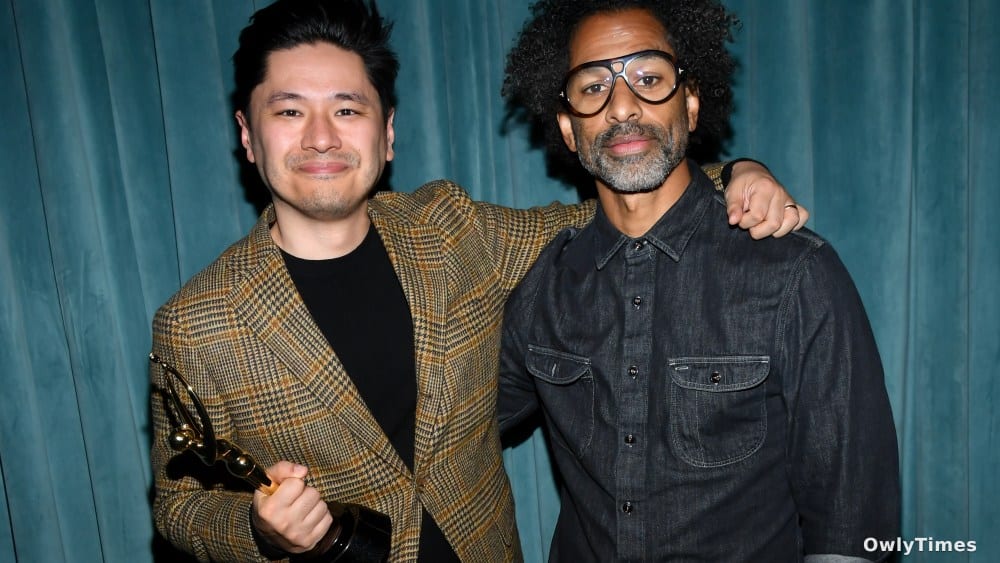

The chipped Formica of the Brooklyn diner felt cold under my elbows as I scrolled through the Ambies winners on my phone Tuesday night. It wasn’t the “Podcast of the Year” award itself that stopped me – though Wisecrack taking the top prize is significant – it was the story behind the story. A comedian, Edd Hedges, returning to his hometown for a charity gig, and then… a murder. It’s a narrative twist so perfectly calibrated for the true-crime obsessed public that it feels almost engineered. But the success of “Wisecrack,” produced by iHeartPodcasts and Tenderfoot TV, isn’t about sensationalism; it’s about how deeply we’re all grappling with the shattering of idyllic narratives, the realization that darkness can bloom in the most familiar places.
The Rise of the “Human-Scale” True Crime Story
True crime is, of course, a behemoth. But the genre is undergoing a subtle but crucial shift. For years, the focus was on the monstrous – Ted Bundy, Jeffrey Dahmer, the meticulously planned horrors of serial killers. Now, audiences are gravitating towards stories like “Wisecrack,” where the crime feels…smaller, more relatable, and therefore, more terrifying. This isn’t about grand evil, it’s about the unraveling of a community, the ripple effects of a single, devastating act. The podcast, hosted by Jodi Tovay, doesn’t just recount the facts of the case; it explores the “bizarre confluence of events” that led to it, as iHeart describes, and the human cost of a broken homecoming. This focus on the social fabric, the everyday lives disrupted, is what resonated with The Podcast Academy, and explains why “Wisecrack” swept four categories, including Best Production and Sound Design and Best Scriptwriting (Non-Fiction). The podcast’s success isn’t just a win for iHeart; it’s a signal that audiences are craving nuance and emotional depth in their true crime consumption.
Source material: variety.com.
Beyond the Headlines: The Comedian as Unlikely Subject
The fact that the central figure is a comedian is particularly striking. We’re conditioned to see comedians as truth-tellers, as societal commentators holding a mirror up to our flaws. To see one entangled in a real-life crime story feels like a betrayal of that trust, a jarring disruption of the performer-audience dynamic. Edd Hedges isn’t a detective, a victim, or even a suspect in the traditional sense; he’s a catalyst, a man whose presence inadvertently sets a chain of events in motion. This ambiguity is key to the podcast’s appeal. It forces listeners to confront uncomfortable questions about complicity, about the responsibility we all bear for the communities we inhabit. The podcast’s scriptwriting, a shared win for Charles Forbes and Hedges himself, clearly understands this tension, leaning into the unsettling nature of the situation rather than attempting to sanitize it.
Pablo Torre’s Victory Signals a Maturation of Sports Podcasting
While “Wisecrack” dominated the overall awards, Pablo Torre’s win as Vanguard Podcaster of the Year for Meadowlark Media’s “Pablo Torre Finds Out” is equally important. Torre, a veteran of ESPN, isn’t just reporting on sports; he’s using the world of athletics as a lens through which to examine broader cultural issues. “Pablo Torre Finds Out” also snagged Best Sports Podcast, but to categorize it only as a sports podcast feels reductive. Torre’s interviews are deeply reported, intellectually rigorous, and often surprisingly personal. His victory isn’t just a recognition of his individual talent, but a validation of a new model for sports podcasting – one that prioritizes storytelling, analysis, and genuine human connection over hot takes and game recaps. This is a significant shift in a landscape often dominated by bombastic personalities and predictable narratives.
What’s Next for Audio Storytelling?
The Ambies aren’t just about celebrating past achievements; they’re a barometer of where the industry is headed. The sheer diversity of winners – from the branded podcast “Sesame Street: Cookie Monster Mysteries” to the indie success story “Our Ancestors Were Messy” – demonstrates the expanding creative landscape of audio storytelling. But the dominance of “Wisecrack” and the recognition of Pablo Torre’s nuanced approach raise a crucial question: will the industry continue to reward projects that prioritize depth and complexity, or will it succumb to the pressures of chasing viral trends and sensationalism? The next year will reveal whether this moment represents a genuine turning point, a move towards more thoughtful and impactful audio content, or simply a fleeting moment of critical acclaim for a few standout shows. Will we see more podcasts willing to embrace ambiguity, to explore the uncomfortable truths lurking beneath the surface of seemingly ordinary lives? That’s the story I’ll be listening for.

