
A $3.6 Billion Signal: Why True Crime’s Focus is Shifting North
$3.6 billion. That’s the estimated revenue of the true crime entertainment industry in 2023, a figure that continues to climb despite – or perhaps because of – a growing national conversation about the ethics of consuming stories of trauma. But where that money is going is changing, and the involvement of Octavia Spencer in two new Investigation Discovery (ID) series, “Lost Women of Alaska” and “Feds,” points to a deliberate shift in focus: towards cases historically marginalized and a demand for narratives that explicitly link entertainment to systemic change. Spencer’s return as executive producer isn’t simply a celebrity endorsement; it’s a strategic investment in a niche within a booming market – one that’s increasingly prioritizing accountability alongside entertainment.
Based on the original Spectrum News report.
The Alaska Factor: Untapped Stories and a Funding Gap
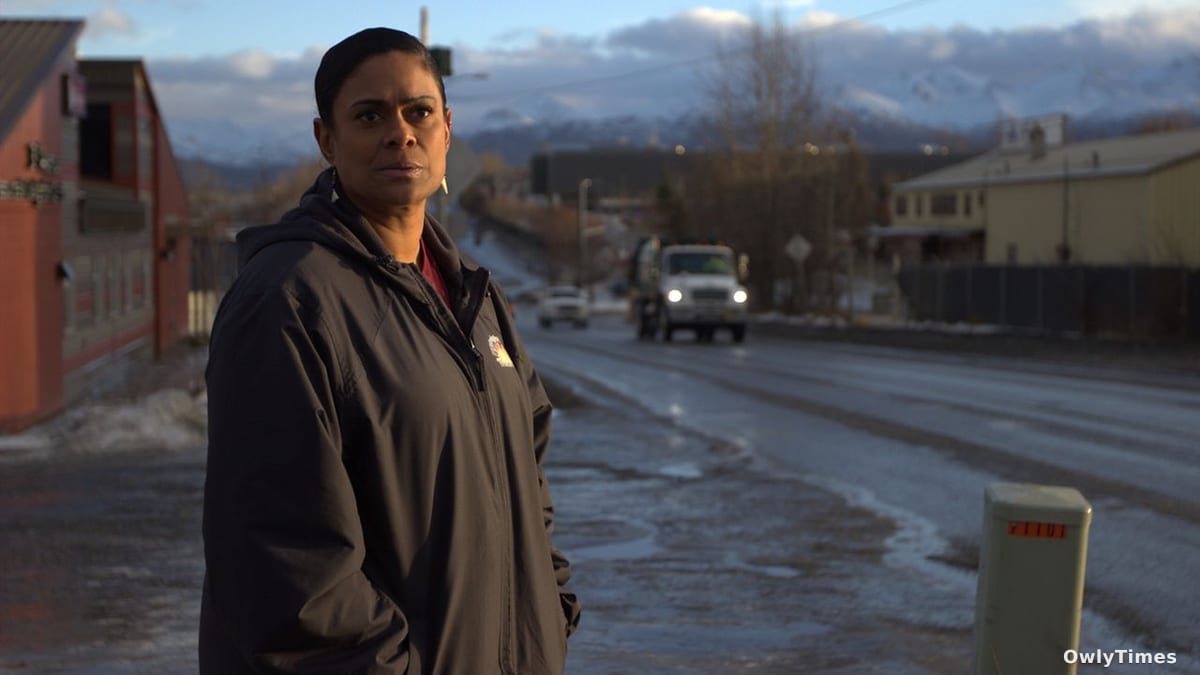
“Lost Women of Alaska,” currently airing on ID, centers on the murders of Veronica Abouchuk and Kathleen Jo Henry, two Alaska Native women. This isn’t a random selection. Alaska consistently ranks among the states with the highest rates of missing and murdered Indigenous women (MMIW), a crisis that receives a disproportionately small share of media attention and law enforcement resources. According to a 2020 report by the Urban Indian Health Institute, 54% of Native women experience sexual violence in their lifetime, and these cases are significantly less likely to be solved than those involving white women. The financial implications are stark: a 2018 study estimated the economic cost of violence against Native women in Alaska alone at over $400 million annually, encompassing healthcare, law enforcement, and lost productivity. Spencer’s explicit statement to Spectrum News – “These indigenous women, their stories deserve to be told, seen and resolved” – isn’t just advocacy; it’s recognizing a market demand for narratives that address this historical neglect.
Beyond Entertainment: The “Man-Hours” Equation and the Cost of Justice
Spencer’s call for “a lot more man-hours on solving these cases” is a pointed critique of resource allocation. While the true crime genre profits handsomely from exploring unsolved mysteries, the actual investment in solving those mysteries – particularly in communities like those in Alaska – remains critically low. Consider this: the FBI’s Violent Criminal Apprehension Program (ViCAP), the national repository for information on violent crimes, received $68 million in funding in 2023. While substantial, this figure represents less than 0.1% of the total federal law enforcement budget. The implication is clear: the entertainment industry can generate billions from these stories, but the actual pursuit of justice often operates on a shoestring budget. Spencer’s involvement, and the platform ID provides, effectively creates a secondary funding mechanism – public attention – that can pressure law enforcement to prioritize these cases.
“Feds” and the Branding of Elite Units: A $1.2 Billion Marketing Opportunity
While “Lost Women of Alaska” tackles a specific systemic issue, “Feds,” launching March 4th on ID and streaming on HBO Max, takes a different approach. The series focuses on the work of America’s federal law enforcement agencies. This isn’t simply about showcasing crime-solving prowess; it’s about brand building. Federal agencies, like the FBI and ATF, operate with budgets exceeding $1.2 billion annually for public relations and recruitment. Documenting their successes, even in a dramatized format, serves as a powerful recruitment tool and bolsters public trust – a crucial asset given ongoing debates about government overreach and police accountability. Spencer’s framing of “Feds” as a way to “honor” these units is strategically aligned with this broader marketing objective.
What this means for your wallet: The Price of Conscious Consumption
The success of “Lost Women of Alaska” and “Feds” will likely accelerate a trend towards “conscious consumption” within the true crime genre. Viewers are increasingly demanding that their entertainment dollars support projects that not only tell compelling stories but also contribute to positive social change. This means a potential shift in advertising revenue, with brands aligning themselves with productions that demonstrate a commitment to social responsibility. For investors, this translates to a higher valuation for content that prioritizes ethical storytelling and community impact. For consumers, it means actively seeking out and supporting productions like these – and asking critical questions about the narratives being presented and the resources being allocated to address the underlying issues. The question now is: will the true crime industry respond to this demand, or will it continue to profit from tragedy without addressing the systemic failures that perpetuate it?