
The trajectory of Atlas Predictive Control LLC offers a masterclass in scaling a niche engineering firm from a regional startup to a global player. Founded in February 2019 by Madhur Bedre, the company has secured a foothold in the competitive process-control sector, culminating in Bedre being named the 2026 West Virginia Small Business Person of the Year by the U.S. Small Business Administration.
Following the Money in Global Process Control
The financial viability of Atlas Predictive Control rests on a high-value, low-volume service model. Rather than targeting the mass market, Bedre’s firm focuses on providing artificial intelligence, predictive analytics, and advanced process control solutions specifically for chemical and polymer plants. By embedding their software into the operational backbone of these facilities, the firm secures long-term contracts with industry titans, most notably The Dow Chemical Company and W.R. Grace.
The scale of this operation is evidenced by the firm’s geographic reach, having completed projects in more than 20 countries over the past five years. This global footprint, managed from the West Virginia Technology Park along Union Carbide Drive in South Charleston, illustrates how specialized engineering services can decouple physical location from market access. For an 11-person firm, the ability to maintain such high-level international client relationships suggests a lean, highly efficient revenue model that prioritizes technical expertise over headcount.
Leveraging Institutional Ecosystems
Follow the money trail behind the firm’s inception, and it leads directly to a reliance on public and community-backed infrastructure. Bedre, who earned his master’s degree from West Virginia University and previously worked at The Dow Chemical Company, did not scale in a vacuum. He explicitly attributes the early mitigation of business uncertainty to resources provided by the City of Charleston and the West Virginia Technology Park.
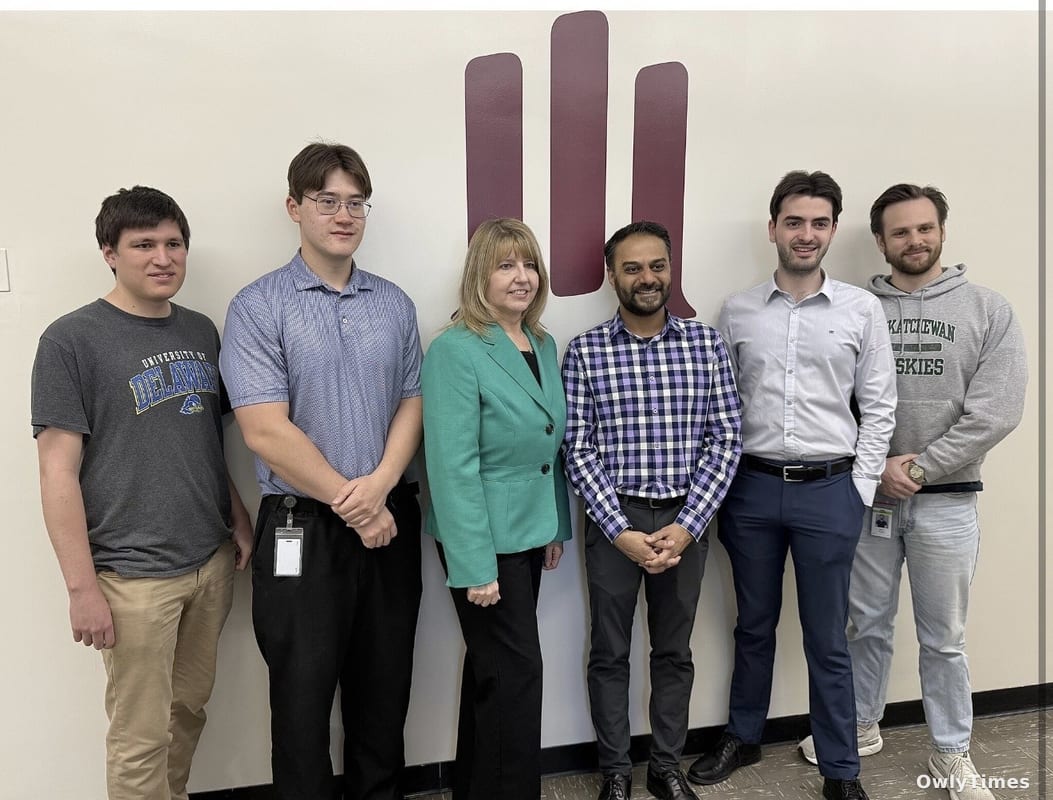
This reliance on local ecosystems is a recurring theme for successful rural Appalachian tech firms. By utilizing these resources to validate his business model—specifically by pitching early concepts to Dow’s customers—Bedre was able to convert expert-level technical knowledge into a repeatable commercial product. The current workforce of 11 chemical engineers from across the nation serves as a testament to the firm’s ability to attract specialized human capital to a region often overlooked by traditional tech hubs.
What This Means for Your Wallet
For investors and entrepreneurs, the success of Atlas Predictive Control highlights the premium placed on domain-specific AI. As heavy industry continues to face pressure to improve efficiency and safety, firms that bridge the gap between complex chemical engineering and modern data analytics will remain high-value acquisition targets or essential partners for global manufacturers.
The next reading of the company’s growth trajectory will be clarified following the national recognition ceremony in Washington, D.C. on May 3. As the SBA prepares to announce the National Small Business Person of the Year, market observers should watch whether Bedre’s model of importing specialized talent to support international industrial infrastructure continues to yield the same margins as the company scales beyond its current size. For those looking to mirror this path, the takeaway is clear: the most defensible businesses are those that solve mission-critical problems for clients with high switching costs.