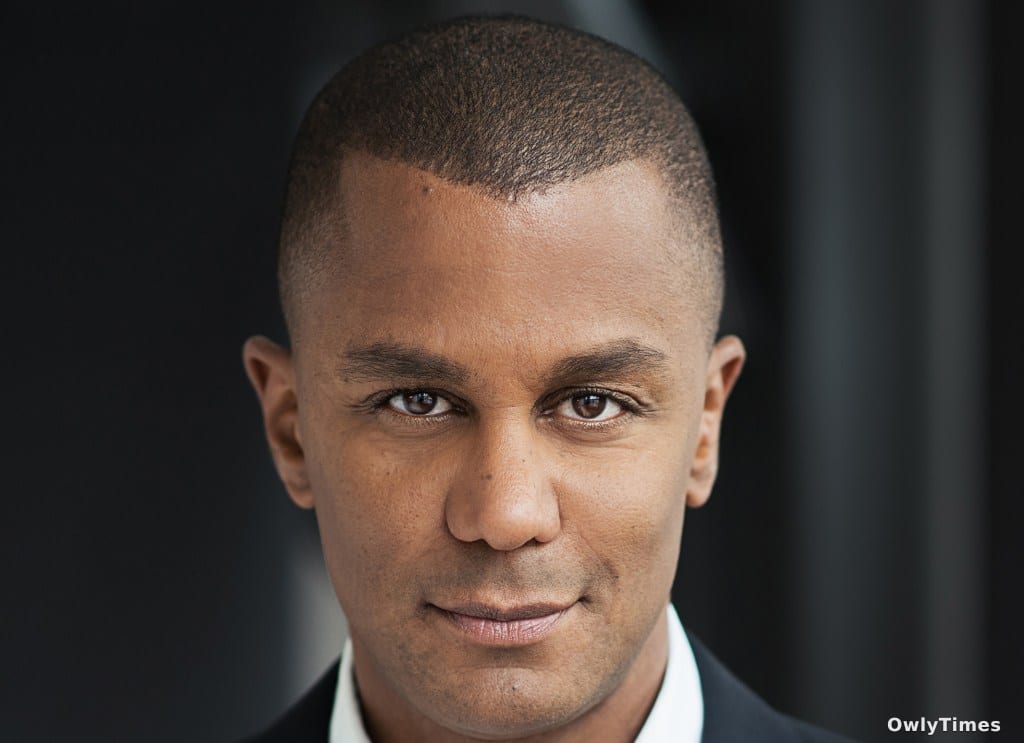

The landscape of modern talent management is shifting, moving away from monolithic agencies toward agile, boutique-style firms that favor deep, long-term creative relationships. This evolution is perfectly captured in the latest move by Yanic Truesdale, the Canadian actor who has officially signed with Mainstay Entertainment for management. By joining a roster that thrives on high-profile collaborations and diverse production pipelines, Truesdale is signaling a strategic pivot to lean into his established creative partnerships while expanding his reach into new, high-stakes development projects.
A Creative Evolution Beyond Stars Hollow
For millions of viewers, Truesdale remains anchored in the cultural consciousness as the sharp-tongued Michel Gerard from the critically acclaimed series Gilmore Girls. However, his career trajectory under the guidance of creator Amy Sherman-Palladino reveals an actor who has successfully transcended the constraints of a singular breakout role. His recent work—ranging from the ballet-themed Prime Video series Étoile to the highly anticipated Netflix feature adaptation of Eloise alongside Ryan Reynolds—highlights a deliberate move toward prestige storytelling.
This pattern of choosing projects with high creative stakes is not new for the actor. His film My Salinger Year, which featured him opposite Sigourney Weaver and Margaret Qualley, notably opened the 70th Berlin Film Festival, a prestigious launchpad that solidified his standing in independent cinema. By balancing such projects with Canadian-rooted work like Les Mecs—which garnered him a third Gemini Award nomination for Best Actor in a Comedy—and the upcoming Bell Media series Je Te Tiens, Truesdale has managed to navigate the delicate balance between international stardom and domestic professional loyalty.
The Mainstay Blueprint
Mainstay Entertainment, founded by Norman Aladjem in March 2017, has spent the last several years positioning itself as a hybrid force in the industry, operating simultaneously as a talent manager and a production engine. This structure offers clients like Truesdale more than just a seat at the table; it offers them a hand in the construction of the table itself. The firm’s current development slate, which includes a film adaptation of Trevor Noah’s bestselling memoir Born a Crime and the upcoming Lionsgate vampire western The Sun Always Sets in the West, demonstrates a company that is actively generating the kind of intellectual property that defines modern Hollywood.
The firm’s internal stability further underscores its ambition. In January, Mainstay elevated Derek Van Pelt and Ray Moheet to the role of Co-CEOs, a move that suggests a reinforced commitment to sustained growth and expanded production capacity. For a client like Truesdale, who continues to be represented by Defining Artists, the addition of Mainstay provides a sophisticated support system that has successfully navigated the complexities of platforms as diverse as The CW, Discovery ID, and Univision/Amazon International.
Industry Trends and the Next Chapter
The decision to join a firm that has produced everything from documentary films on icons like Raquel Welch, Joe Frazier, and Luke Perry to series like The Matchmaker with Patti Stanger points to a broader trend in entertainment. Actors are increasingly seeking out managers who function as producers, ensuring their careers are not just about finding the next audition, but about securing creative control over the projects that define their public image.
As Truesdale moves forward, the primary indicator of this partnership’s success will be the progress of the firm’s current development slate. With The Sun Always Sets in the West scheduled to shoot this year, the industry will be watching closely to see how Mainstay’s aggressive production strategy integrates its newest high-profile talent into its upcoming slate of genre-bending films and television projects.