
Beyond the Quiet Camp: What the Yankees’ Spring Actually Reveals
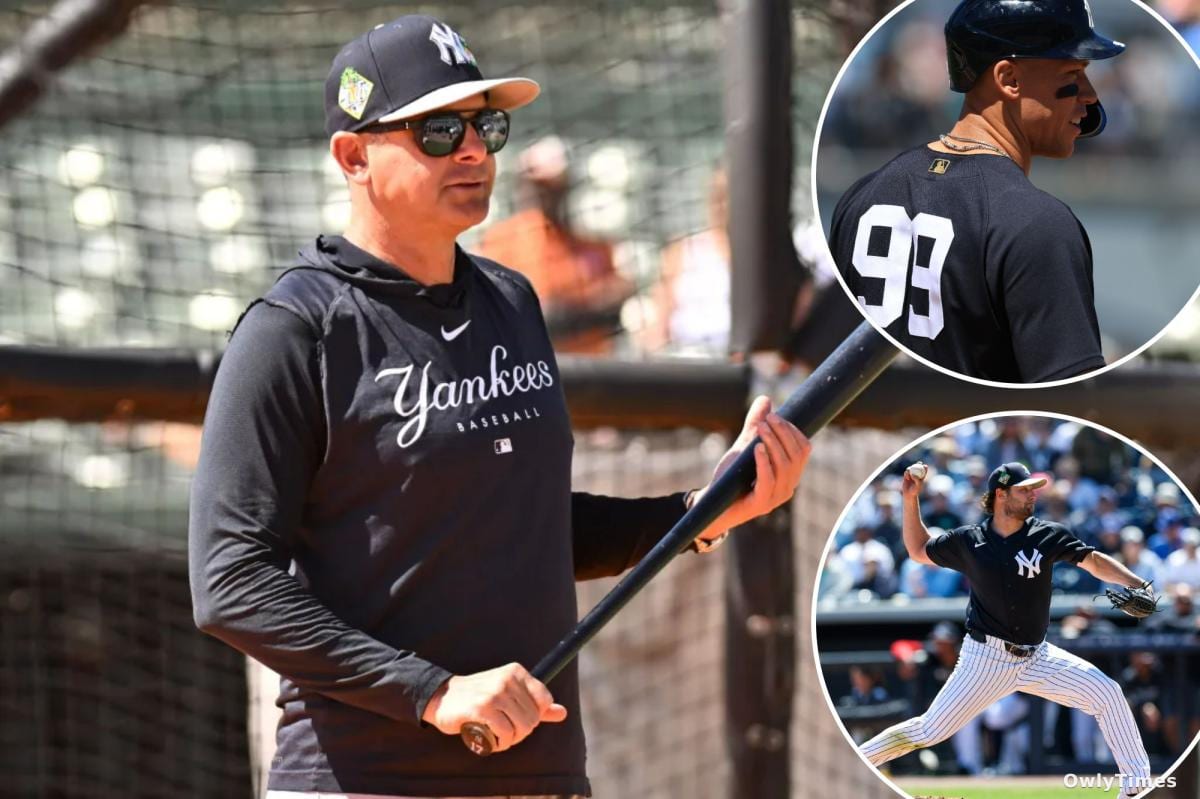
The narrative coming out of Tampa this spring training has been remarkably…calm. Headlines proclaim a “boring camp,” a welcome change after last year’s injury-plagued preseason. But to focus solely on the absence of drama is to miss a more significant development: the Yankees aren’t just avoiding disaster, they’re building a depth chart that fundamentally alters their risk profile for the 2024 season. It’s not that spring training was uneventful, as Aaron Boone insisted with a grin, but rather that the story wasn’t about daily crises, but about a quiet accumulation of positive indicators – and a strategic shift in how the organization views roster construction.
The Illusion of Injury and the Reality of Recovery
Much of the reporting centers on the four players beginning the season on the injured list: Gerrit Cole, Carlos Rodón, Clarke Schmidt, and Anthony Volpe. However, framing this as a setback overlooks a crucial detail. All four underwent surgery before camp even began, meaning their rehab timelines were known and, crucially, progressing as expected. This isn’t a sudden wave of injuries disrupting a healthy team; it’s the managed return of players from pre-existing conditions. Cole’s successful return, even in limited spring appearances, is particularly noteworthy, not just for his individual performance, but because it validates the team’s medical and training protocols. The fact that his comeback was “arguably the most exciting part of camp” speaks volumes about lowered expectations following a turbulent 2023.
Based on the original the New York Post report.
Depth as a Strategic Advantage
The real story isn’t who’s on the injured list, but who isn’t. The Yankees are facing a positive problem: too much talent for the 26-man roster. Prospects like Jasson Domínguez, Spencer Jones, Oswaldo Cabrera, Elmer Rodríguez, and potentially Carlos Lagrange are being sent to Triple-A Scranton/Wilkes-Barre, creating a RailRiders team poised for dominance in the International League. This isn’t simply about developing young players; it’s about creating organizational resilience. As Aaron Judge pointed out, the team now boasts “11-12 starting pitchers deep,” a level of pitching depth they haven’t seen in years. This allows them to absorb injuries – and the inevitable fluctuations in performance – without a catastrophic drop-off. The decision to initially exclude Luis Gil, despite a strong finish to camp, exemplifies this strategy; it’s a calculated move to manage workload and preserve options.
The Bullpen Question and the Limits of Spring Evaluation
Despite the overall positive outlook, the bullpen remains a significant question mark. Boone emphasized the need for players to “establish some bullpen roles,” acknowledging the uncertainty surrounding the final two roster spots. This is a common refrain in spring training, but it’s particularly acute for the Yankees this year. The plan to potentially utilize returning starters like Rodón and Cole in relief offers a long-term solution, but leaves the early season vulnerable. It’s important to remember that spring training performance is a notoriously poor predictor of regular season success, especially for relievers. The small sample sizes and controlled environments don’t accurately reflect the high-leverage, unpredictable nature of bullpen work.
Looking Ahead: The World Baseball Classic Hangover and Beyond
The Yankees also navigated the unusual challenge of having a large contingent of players participate in the World Baseball Classic. While all participants returned seemingly unscathed, the potential for fatigue or lingering effects over the course of a 162-game season remains. The true test of this spring training – and the Yankees’ revamped depth strategy – won’t be the lack of headlines in March, but how the team responds to adversity when injuries inevitably occur, and how effectively they integrate their burgeoning prospect pool throughout the season. The key question isn’t whether the Yankees can win in 2024, but whether they’ve built a system capable of sustaining success, even when things don’t go according to plan. Watch closely for how the Yankees manage the workload of their pitching staff in the first month of the season – that will be the first real indication of whether this “boring” spring training was a sign of genuine progress, or simply a lull before the storm.